
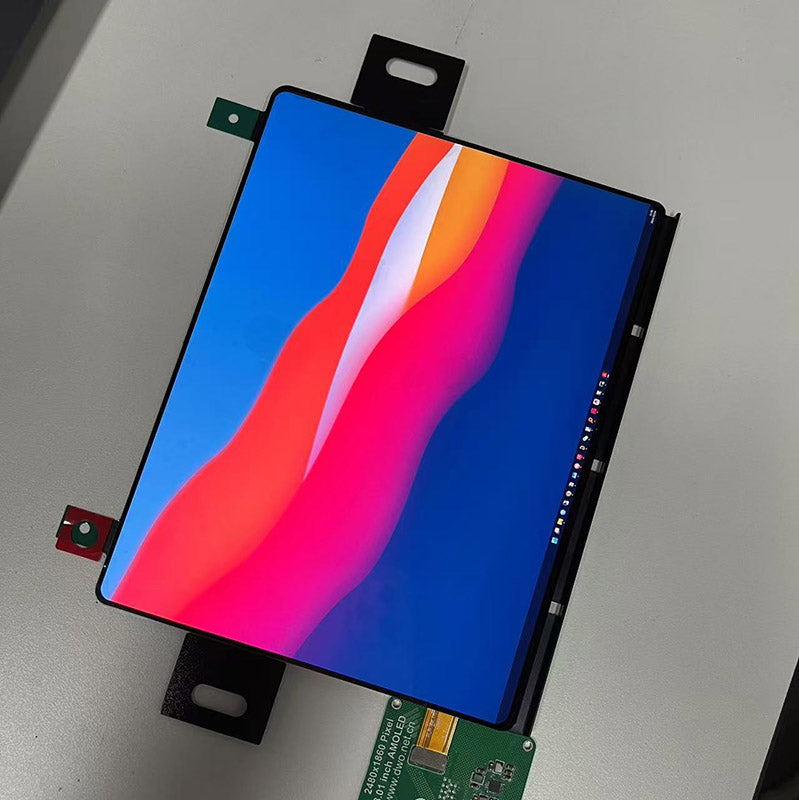
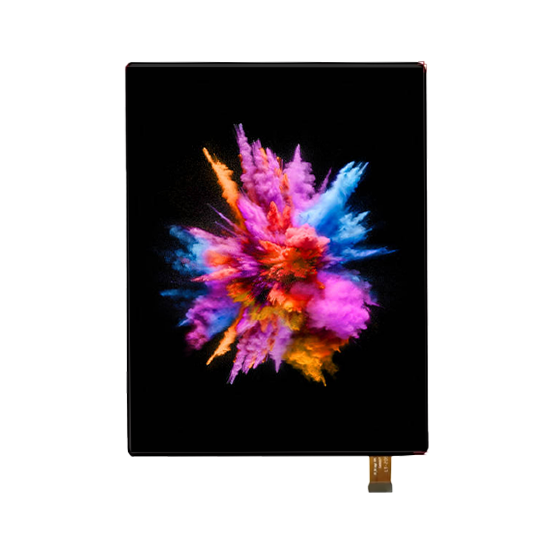

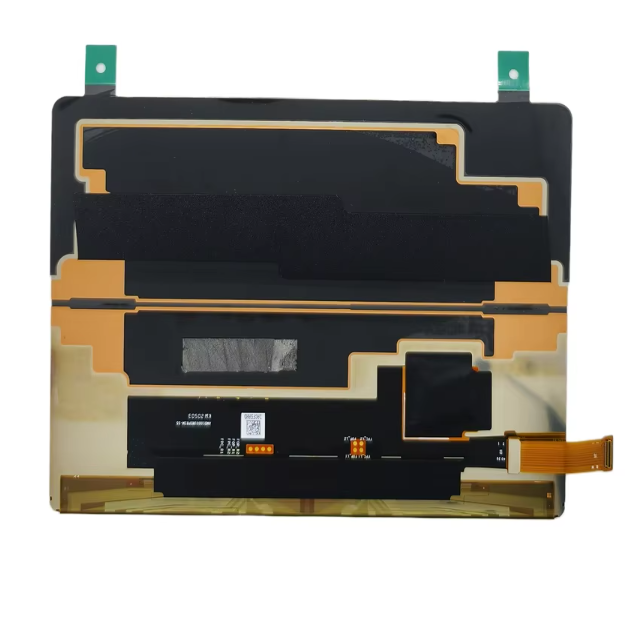
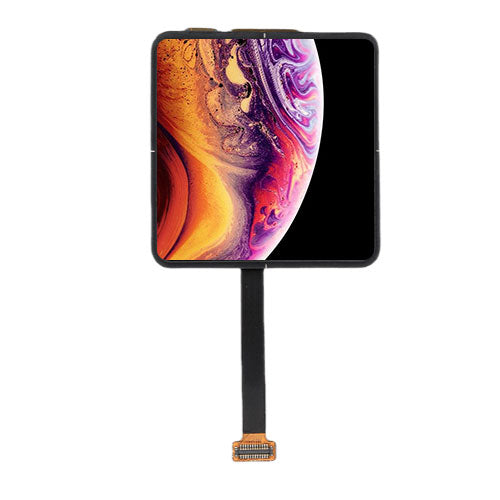
8.0 Inch 2480x1860 AMOLED Display Module with MIPI Interface
Engineered for Brilliance, Built for the Future
Introducing the 8.0" AMOLED Module
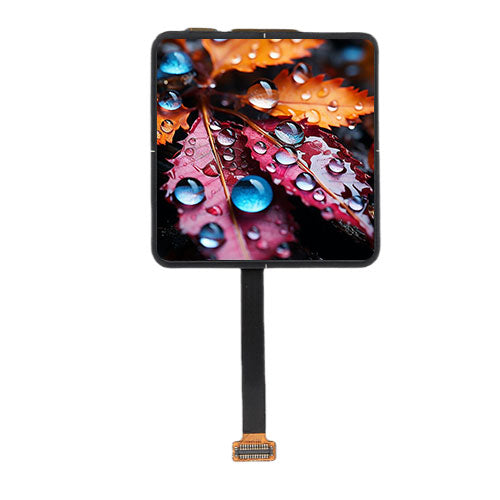
The 8.0" AMOLED module from Shenzhen Brownopto Technology Co., LTD is a high-performance display solution designed for advanced applications that require excellent contrast, vivid color reproduction, and fast response. Built with AMOLED technology and a flexible panel structure, this module features a 2480 × 1860 resolution, a 4:3 aspect ratio, and a MIPI display interface, making it suitable for premium embedded systems, smart devices, and other high-end display applications.
Key Features:
- Screen Size: 8.0 inches
- Resolution: 2480 × 1860 (SPR)
- Aspect Ratio: 4:3
- Display Mode: AMOLED
- Panel Type: 8.0" Flexible AMOLED Panel
- Active Area: 162.688 mm × 122.016 mm
- Outline Dimension: 165.89 mm × 126.12 mm
- Display Interface: MIPI, 4 Lane
- Touch Interface: SPI
- Driver IC: RM69380 (Raydium)
- Touch IC: FST1BA80YA2 (ST)
- Touch Sensor: DOT
- Driving Frequency: 60Hz
- Color Depth: 16.7M
- Typical Luminance: 430 nits
- HBM Luminance: 600 nits
- Contrast Ratio: 600,000:1 (at 0 degree)
- Color Gamut: 100% DCI-P3 (typ.)
Technical Specifications
| Parameter | Value |
|---|---|
| Model / Part Number | BR800TR101GG-001 |
| Screen Size | 8.0 inches |
| Display Type | AMOLED |
| Panel Structure | Flexible AMOLED Panel |
| Resolution | 2480 × 1860 (SPR) |
| Aspect Ratio | 4:3 |
| Active Area | 162.688 mm × 122.016 mm |
| Outline Dimension | 165.89 mm × 126.12 mm |
| Display Interface | MIPI, 4 Lane |
| Touch Interface | SPI |
| Driver IC | RM69380 (Raydium) |
| Touch IC | FST1BA80YA2 (ST) |
| Touch Sensor | DOT |
| Color Depth | 16.7M |
| MIPI Speed | 822 Mbps |
| Refresh Rate | 60Hz |
| VCI | 3.0V (typ.) |
| VDDIO | 1.8V (typ.) |
| AVDD | 7.6V (typ.) |
| ELVDD | 4.6V (typ.) |
| ELVSS | Normal Mode: -3.3V / HBM: -4.0V / AOD: -2V |
| Typical Luminance | 430 nits |
| HBM Luminance | 600 nits |
| AOD Luminance | 60 nits |
| Contrast Ratio | 600,000:1 |
| Viewing Angle | CR ≥ 1000 at 80° |
| Response Time | 2 ms |
| Color Gamut | 100% DCI-P3 (typ.), 98% min. |
| Reflectivity | 6% max. |
| Width | 126.12 mm (typ.) |
| Height | 165.89 mm (typ.) |
| Depth | 0.778 mm (typ.) |
| Weight | 46.5 g (typ.) |
Detailed Application Scenarios
This 8.0" AMOLED module is suitable for advanced devices that require high pixel density, strong contrast performance, and excellent color presentation. With its flexible AMOLED structure, MIPI interface, and premium optical characteristics, it can be integrated into a wide range of high-end display systems.
- Premium handheld terminals: Suitable for high-resolution portable electronic devices that demand immersive image quality.
- Smart control devices: Ideal for smart operating terminals and embedded control systems with advanced visual interfaces.
- Medical and professional equipment: Useful in instruments requiring detailed image rendering, high contrast, and stable display output.
- Industrial display systems: A good choice for premium HMI applications where image clarity and fast response are important.
- Automotive and intelligent cockpit systems: Can support advanced display concepts requiring high brightness and rich color performance.
- Luxury consumer electronics: Appropriate for innovative devices requiring vivid visual presentation and modern AMOLED quality.
Handling Precautions
To ensure long-term reliability and display performance, please follow these precautions during transportation, storage, assembly, and use:
- Do not twist or bend the module during assembly or handling.
- Follow the correct power sequence during operation to avoid damage to the module.
- Avoid strong vibration, shock, or pressure on the front or rear surface.
- Do not touch the module directly without proper grounding protection; prevent ESD damage during production and operation.
- Do not display fixed patterns for a long time, except specified test patterns, to reduce image sticking risk.
- Keep the module away from direct sunlight, high humidity, organic solvents, and corrosive gases.
- Store the module in a dark room at recommended conditions and avoid condensation caused by sudden temperature changes.
- Do not disassemble or reassemble the module by yourself.
Resource download: specification
Ready to Integrate?
Contact us for samples, technical support, or customization details.
Request a QuoteYou may also like
Featured collection
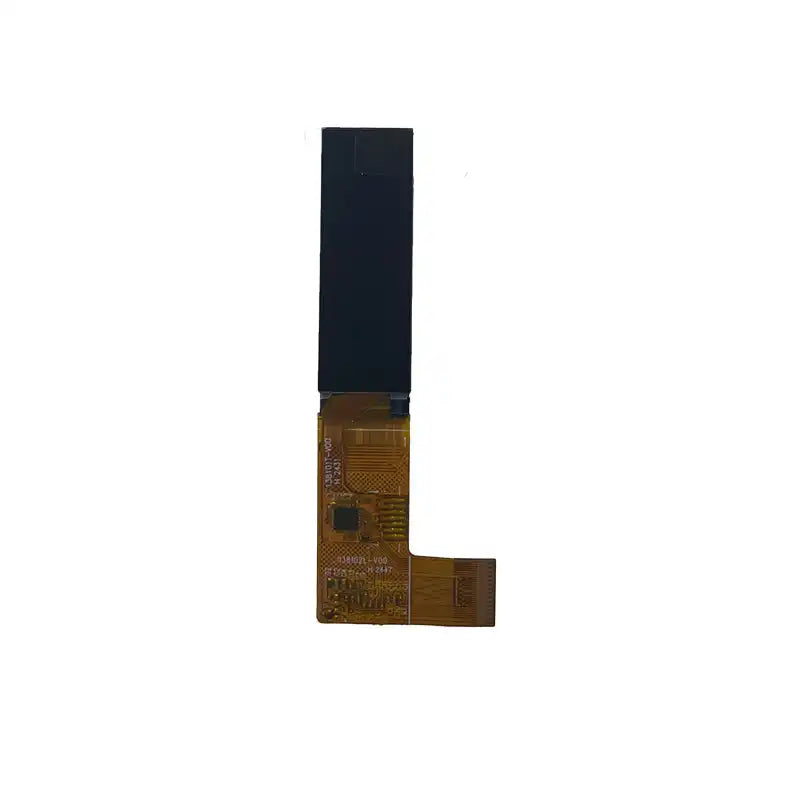
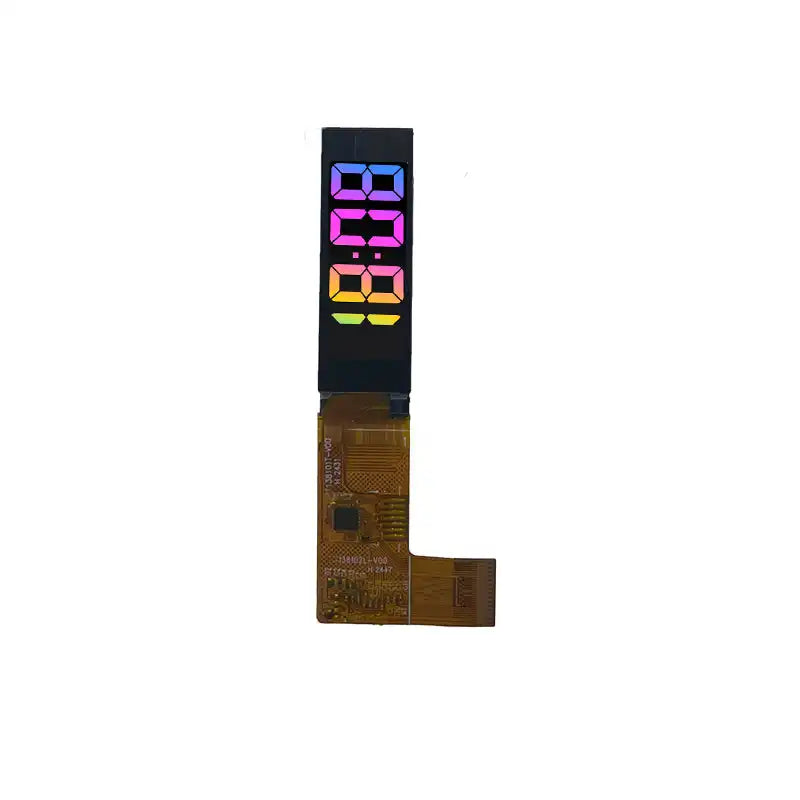
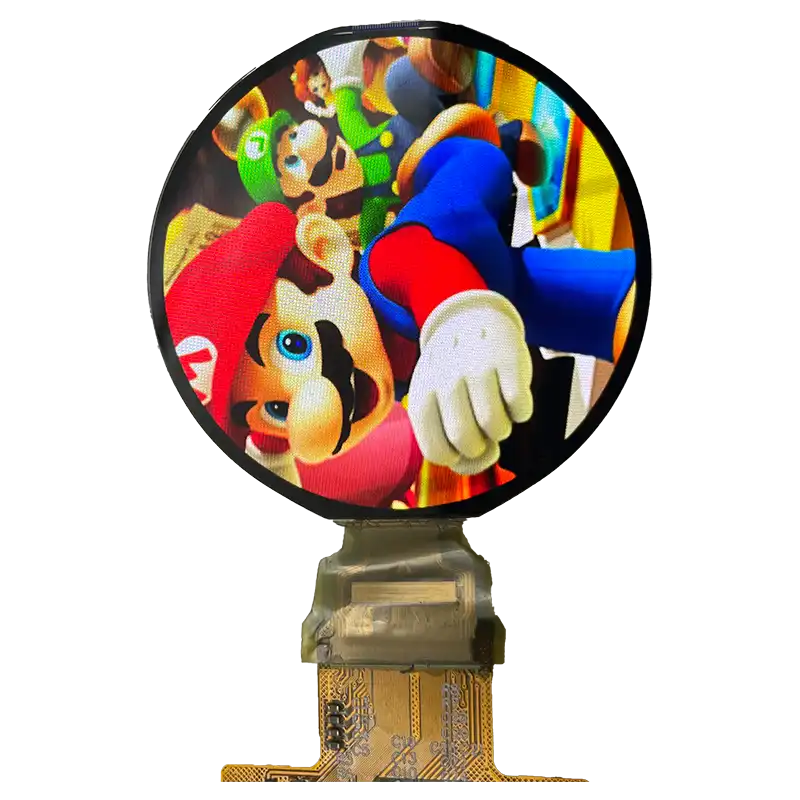
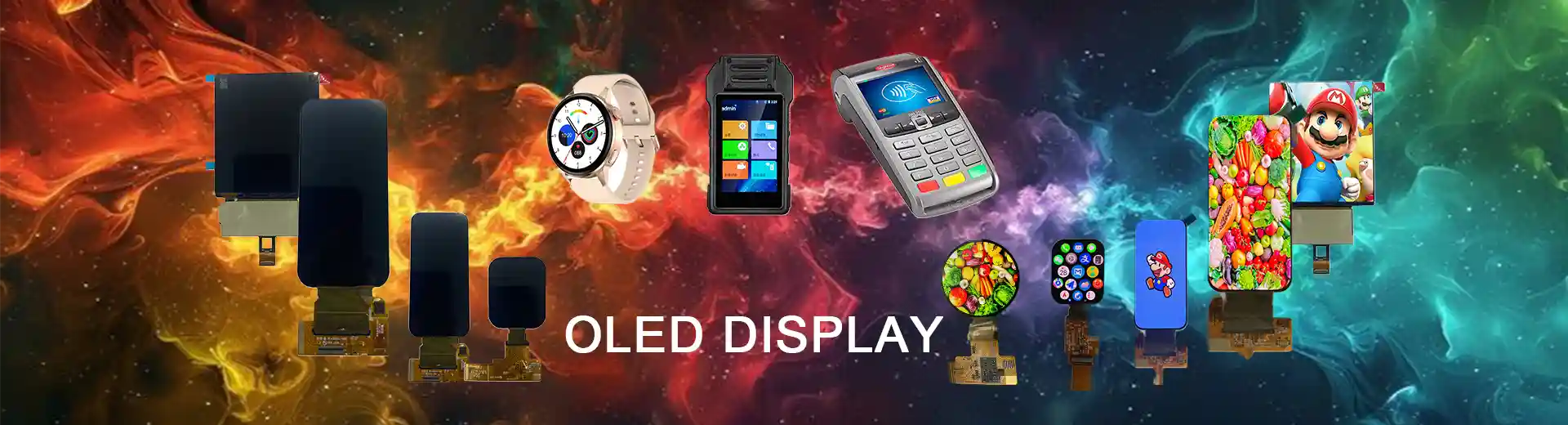
OLED Custom Solutions
Our company offers custom-made OLED solutions, tailored to your unique display needs, ensuring high-quality, precision, and satisfaction.
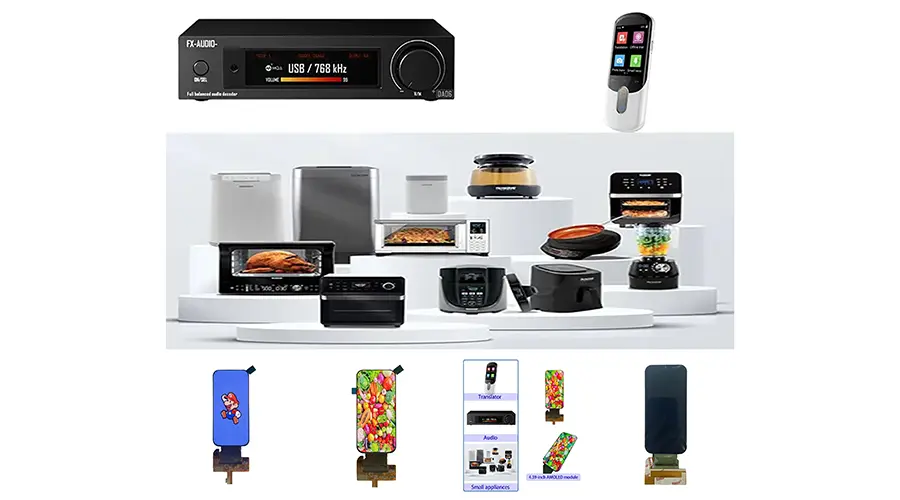
Size & Shape Customization
Tailor AMOLED dimensions and shapes (round, irregular, flexible/foldable) for wearables, phones, or industrial devices. Adjust form factors to match product design needs.
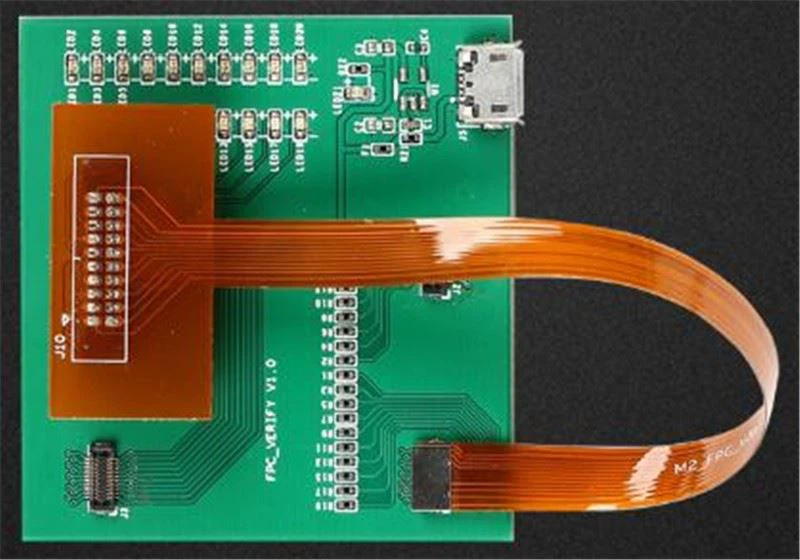
Resolution & Pixel Optimization
Offer HD to 4K+ resolutions and pixel densities for clarity. Enhance color accuracy and contrast for premium smartphones, tablets, VR/AR, and high-end displays.
Interface & Driver Integration
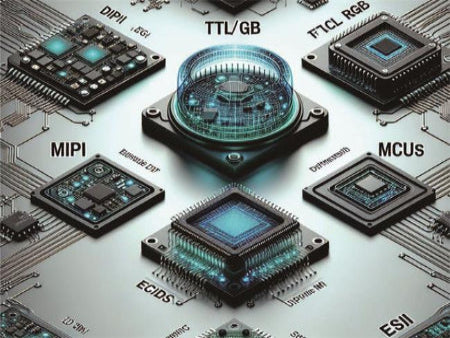
Configure MIPI DSI/LVDS interfaces and driver ICs for seamless hardware compatibility. Add capacitive touch support for mobile, automotive, or industrial systems.
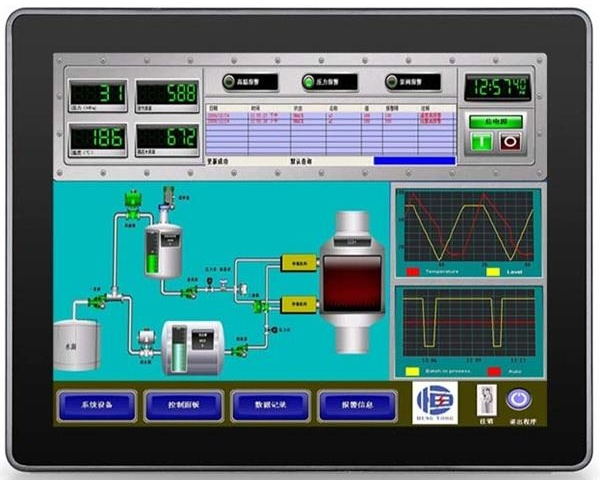
Optical & Durability Enhancements
Add anti-glare coatings, higher brightness, and IP-rated protection. Optimize for extreme temperatures, ensuring durability in outdoor, military, or harsh environments.
FAQ
Questions about OLED Displays
1. What factors affect the cost of a custom OLED?
- Size & complexity: Larger or flexible designs increase costs.
- Resolution/pixel density: Higher specs (e.g., 4K) require advanced manufacturing.
- Material quality: High-end materials (e.g., anti-glare coatings) add to pricing.
- Minimum order quantity (MOQ): Smaller batches may incur higher per-unit costs.
2. How long does it take to produce a custom OLED?
- Lead time: Typically 4–8 weeks after design approval, depending on complexity.
- Prototyping: Sample production takes 2–3 weeks for verification.
- Mass production: Delays may occur for high-volume orders or specialized components.
3. Can I request a flexible or foldable OLED?
- Yes, but with limitations:
- Flexibility: Curved designs require specialized substrates (e.g., polyimide).
- Durability: Foldable OLEDs need reinforced layers to prevent cracking.
- Cost: Flexible/foldable options are 20–50% more expensive than rigid panels.
4.How is the reliability of custom OLEDs tested?
- Key tests:
- Lifetime testing: Accelerated aging (e.g., 85°C/85% RH for 1,000 hours).
- Mechanical stress: Flexibility/folding endurance (100,000+ cycles for foldables).
- Environmental resistance: UV exposure, humidity, and thermal shock testing.
- Performance metrics:
- Luminance retention: >90% brightness after 10,000 hours.
- Color stability: Delta E < 3 for consistent color accuracy.
- Supplier accountability: Reputable manufacturers provide test reports and warranties (e.g., 2–5 years).
5.What industries benefit most from custom OLEDs?
- Consumer electronics: Smartphones, wearables, tablets.
- Industrial/medical: Control panels, diagnostic displays.
- Automotive: Dashboard screens, infotainment systems.
- Retail/entertainment: Digital signage, AR/VR headsets.