




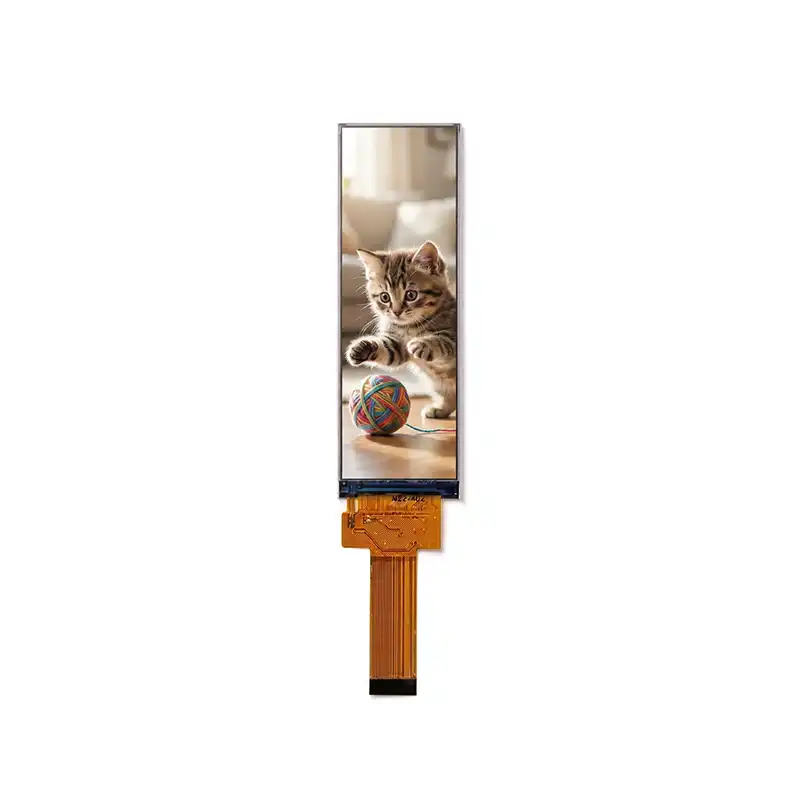
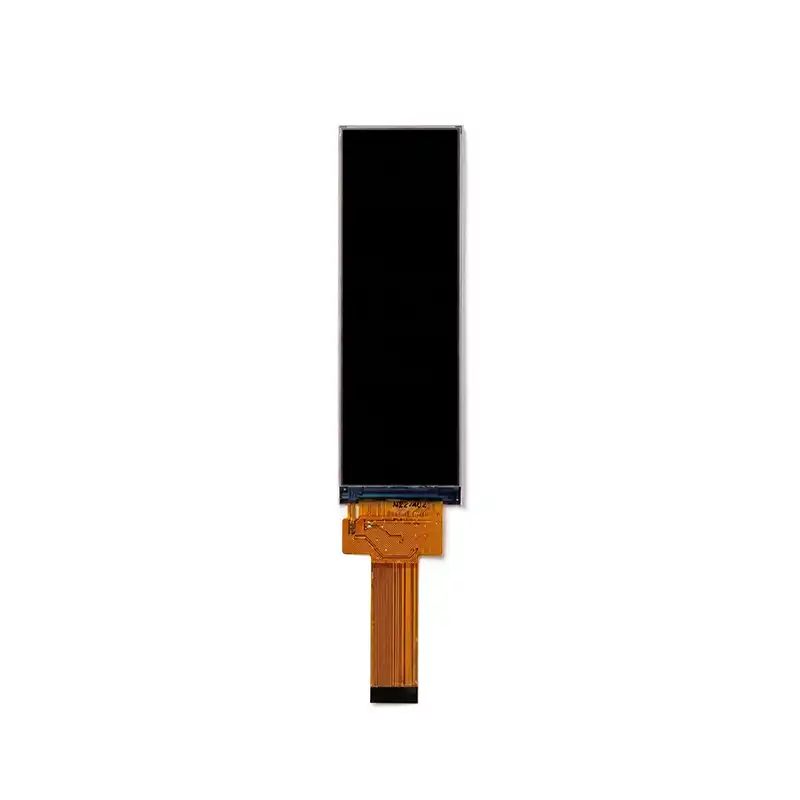
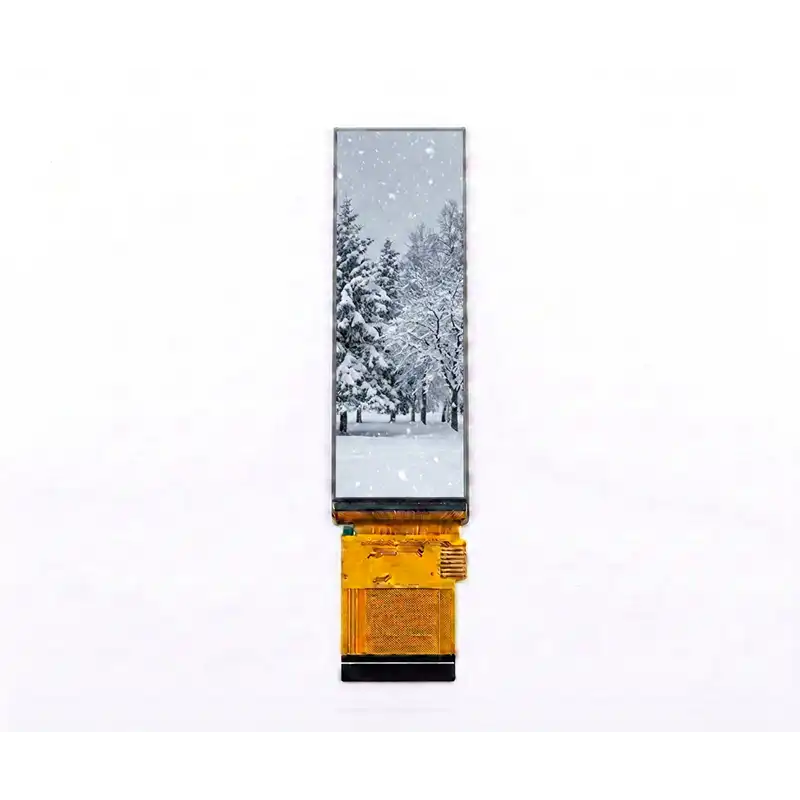
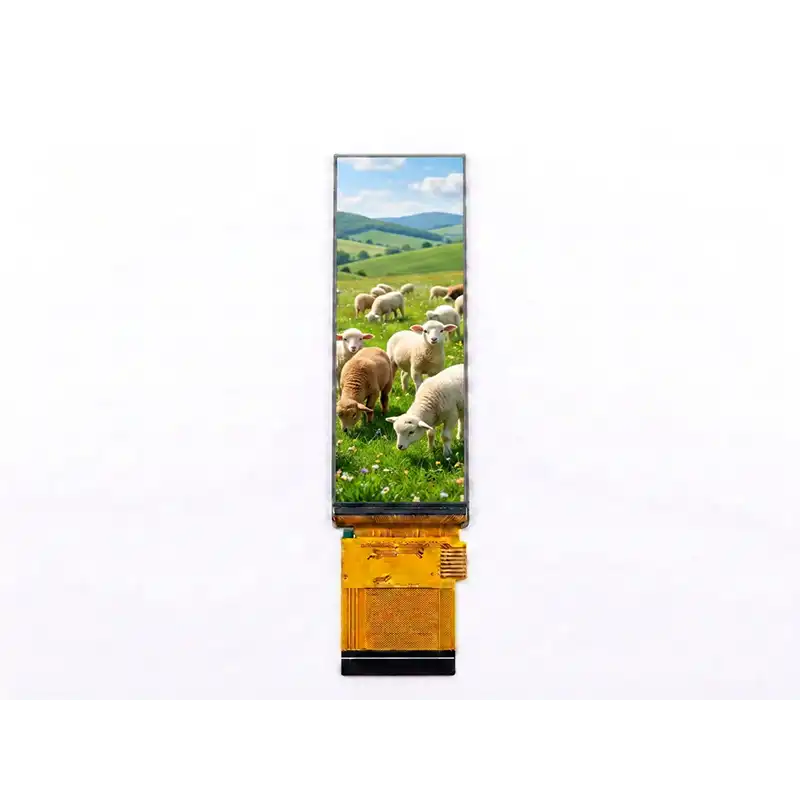
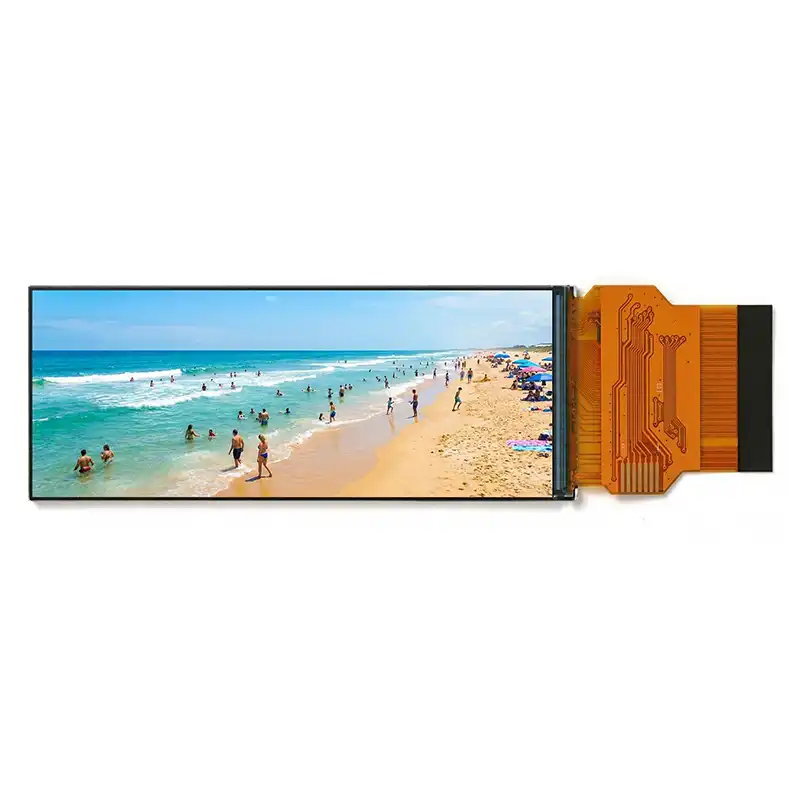
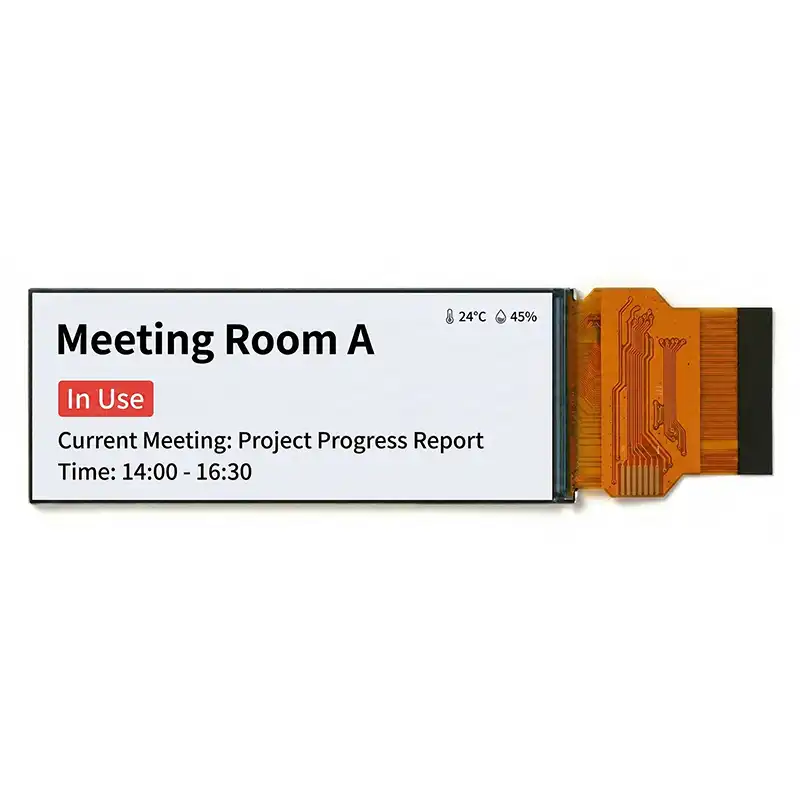
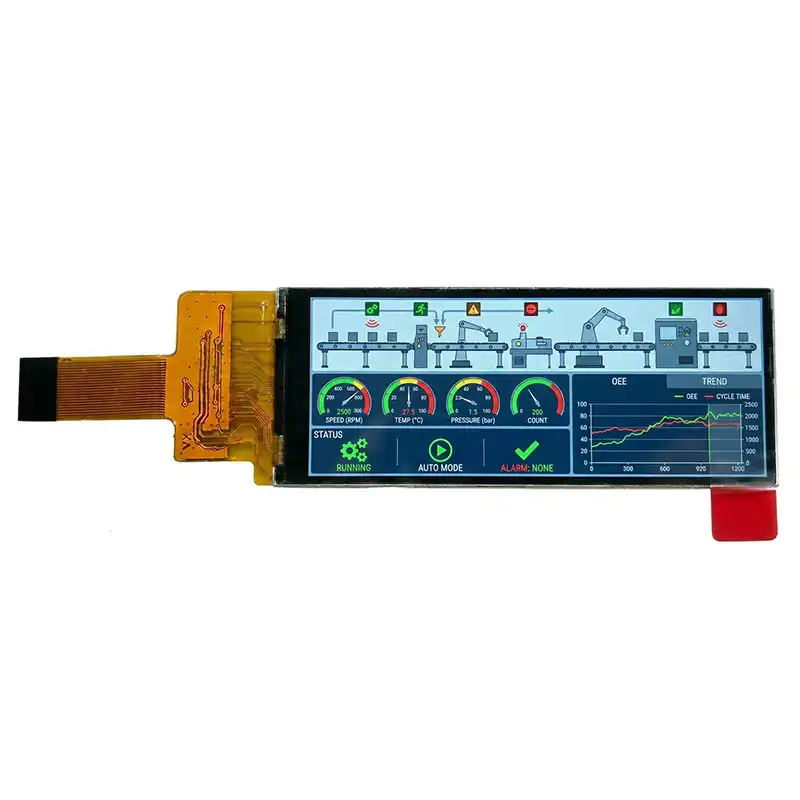
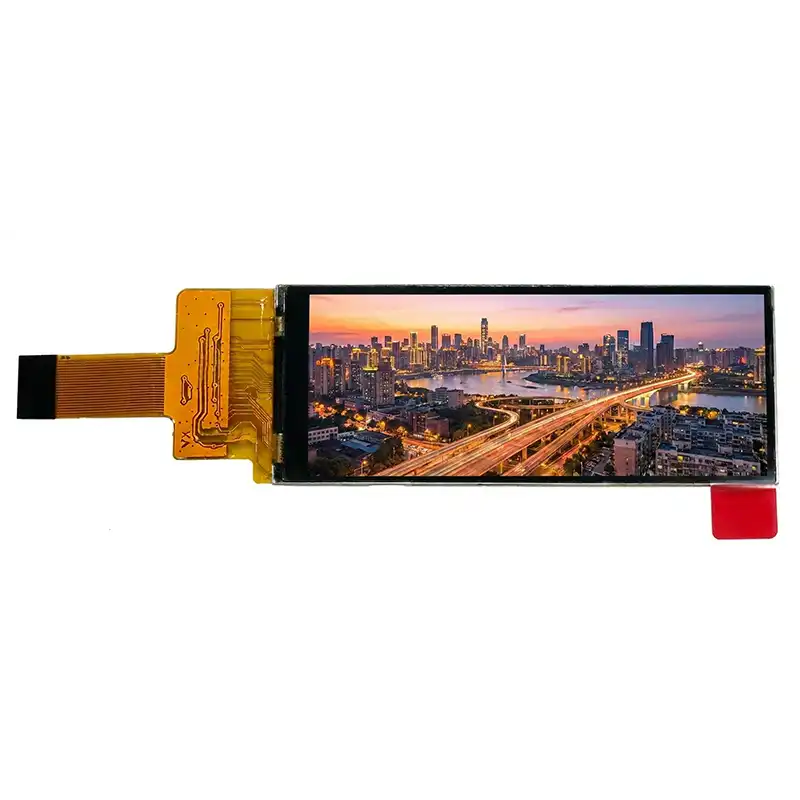
mcu interface

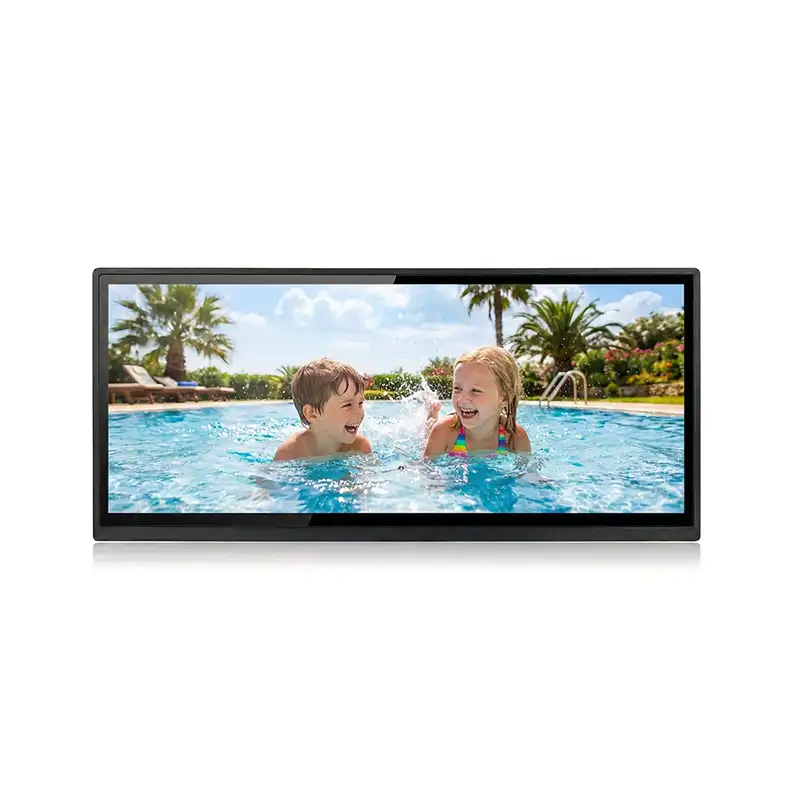
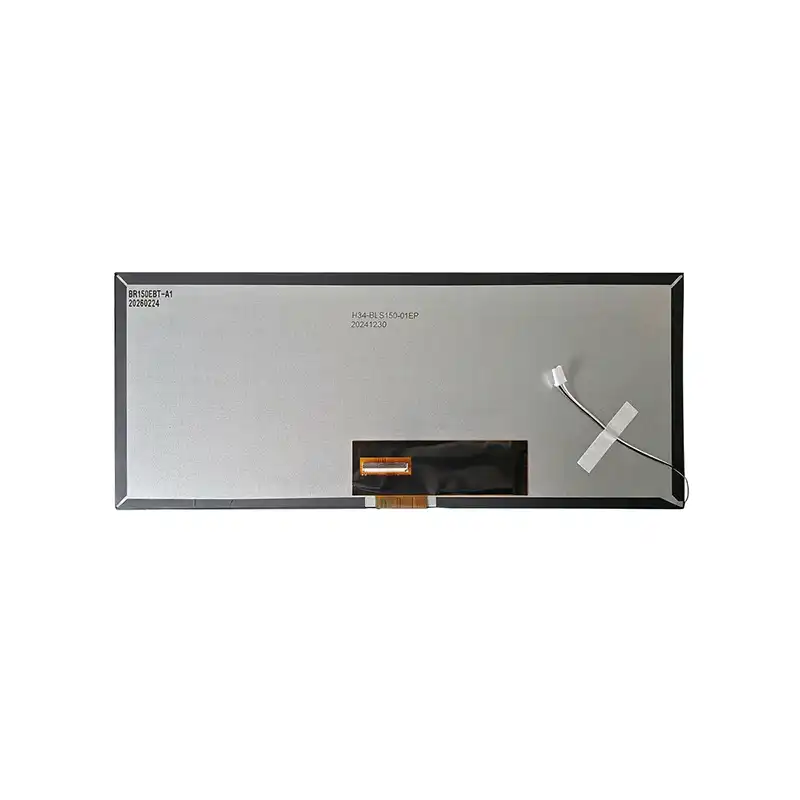
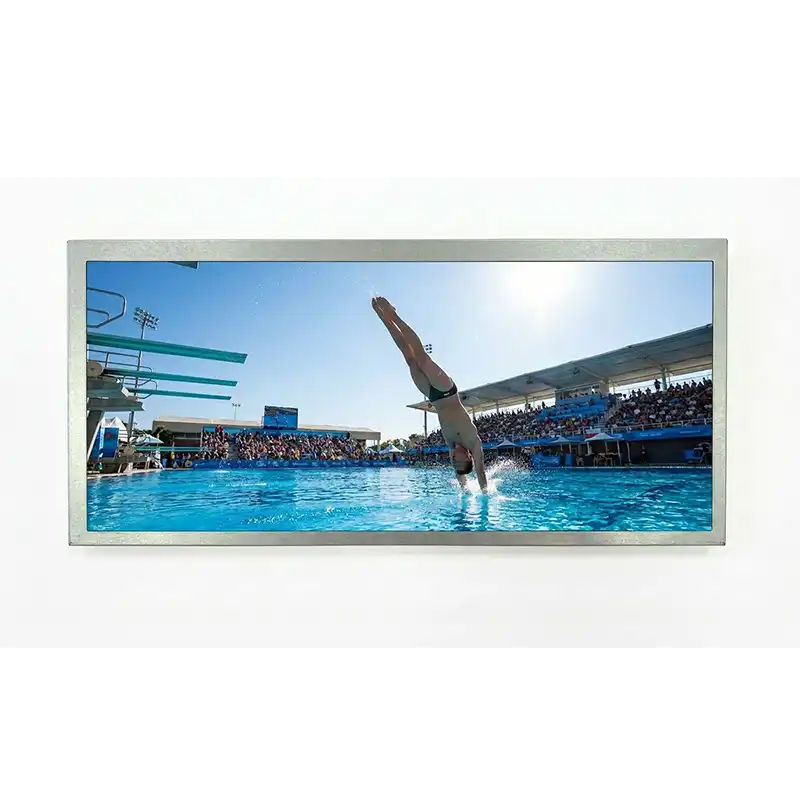
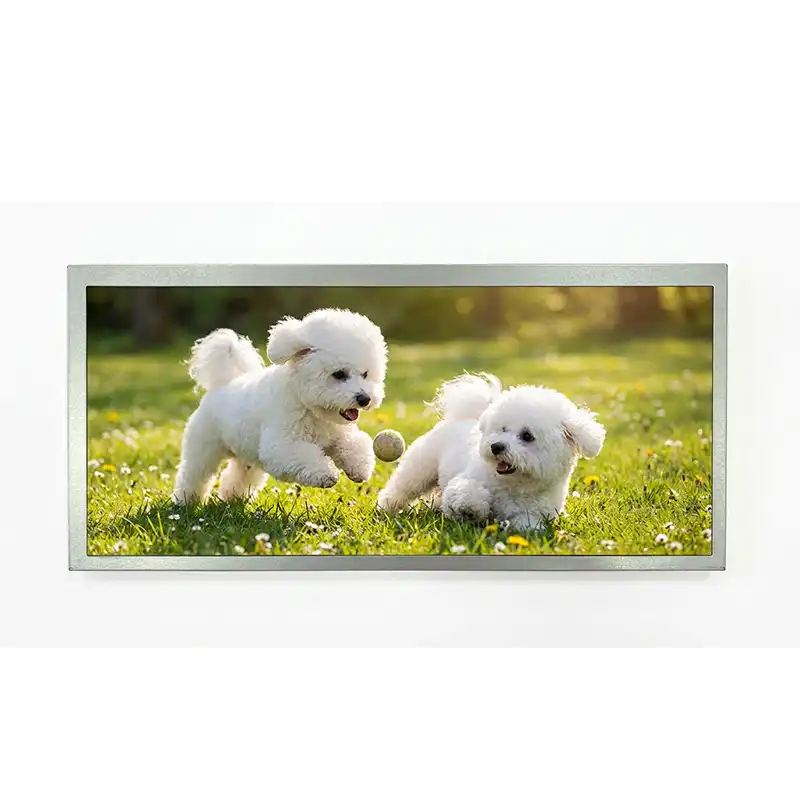
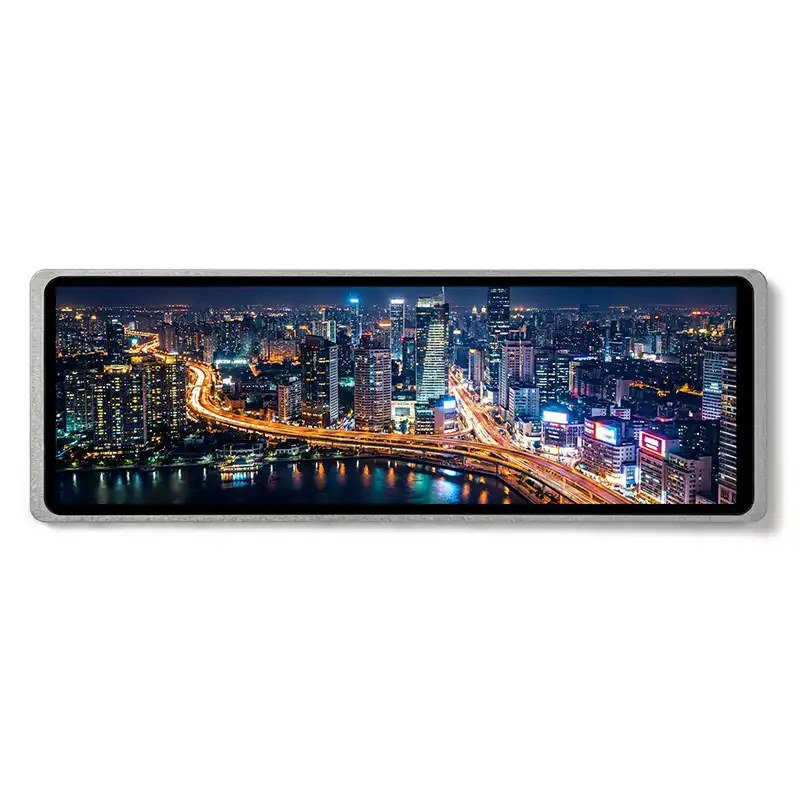
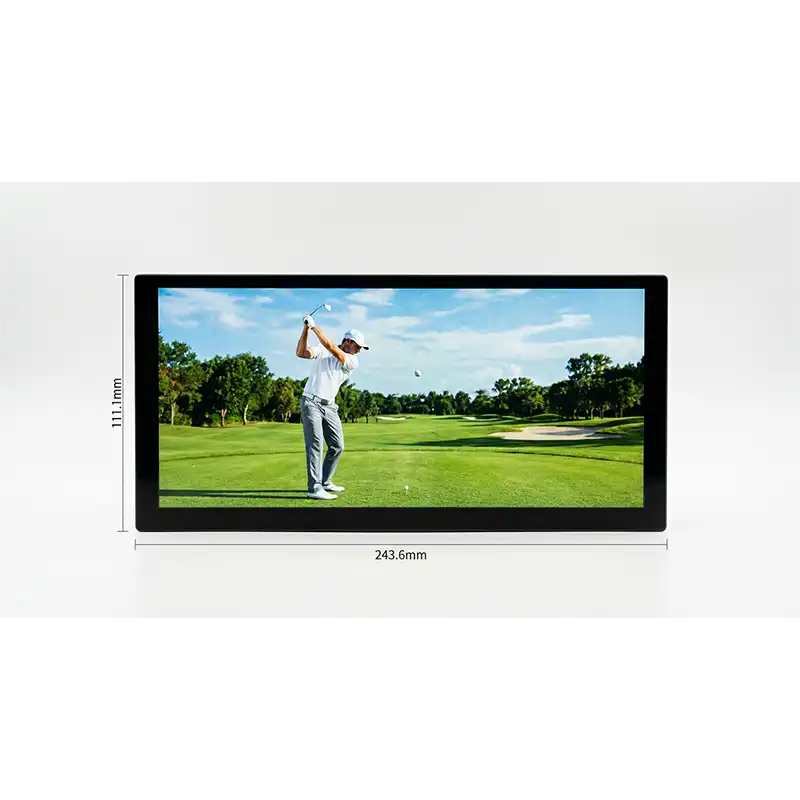
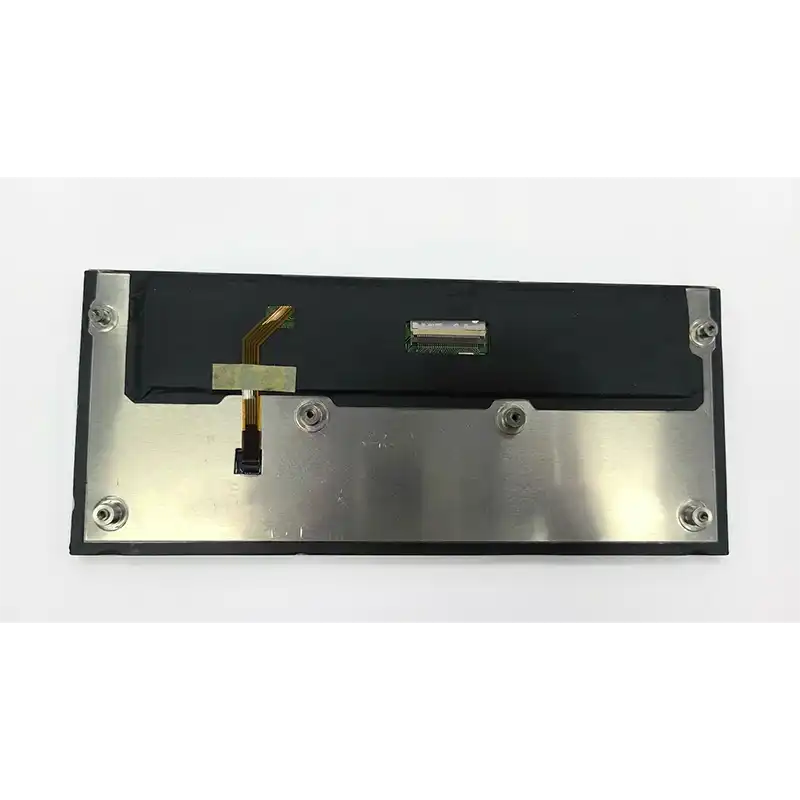
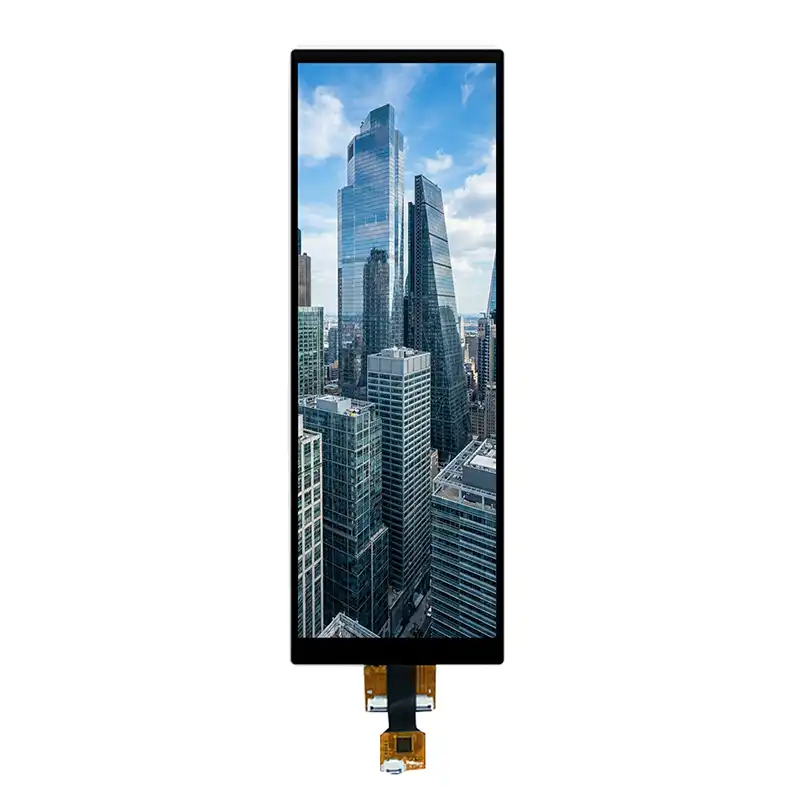
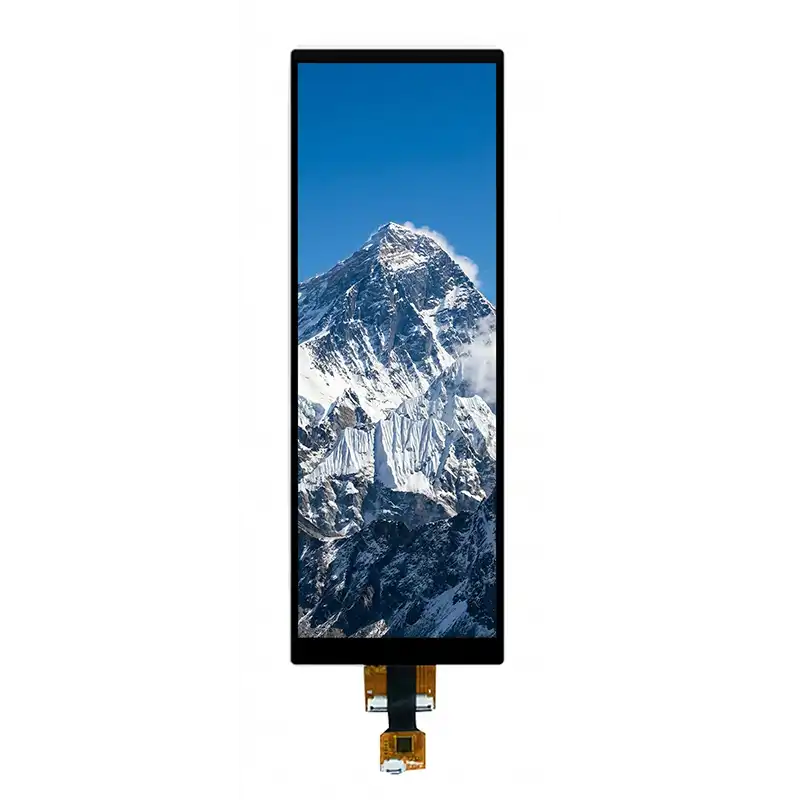
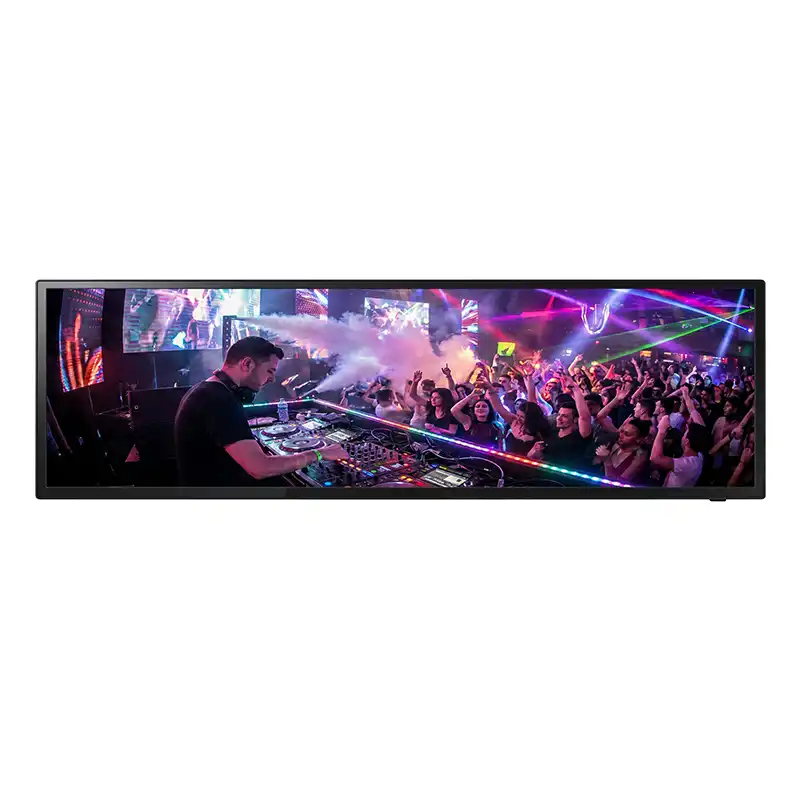
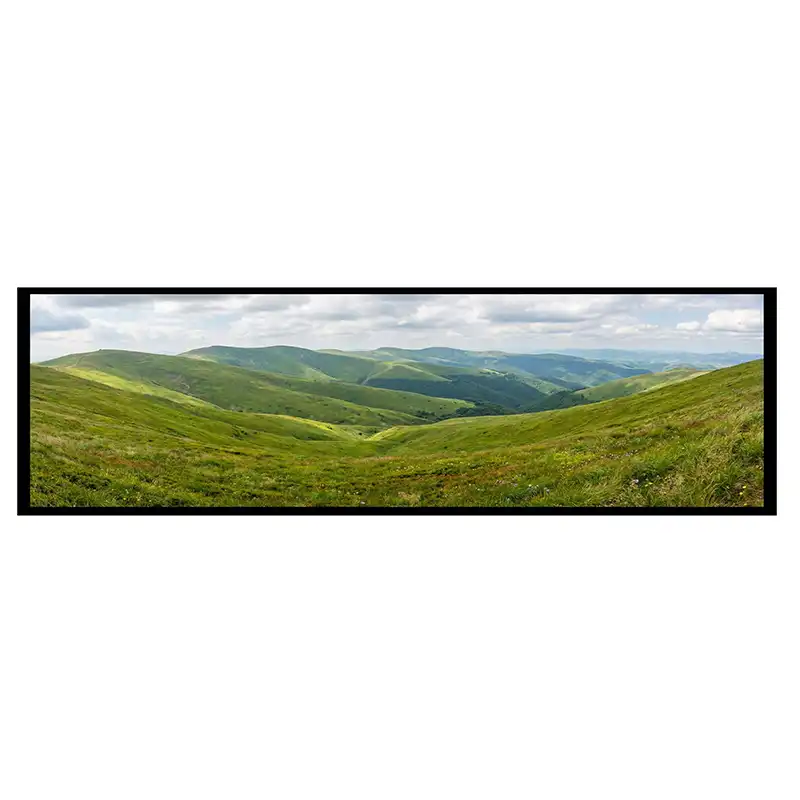
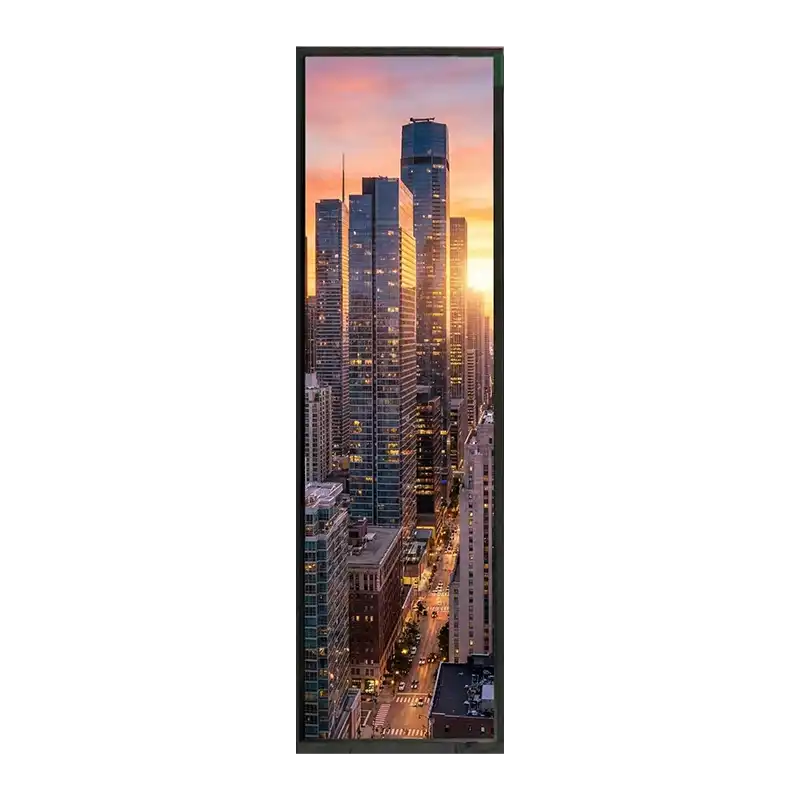
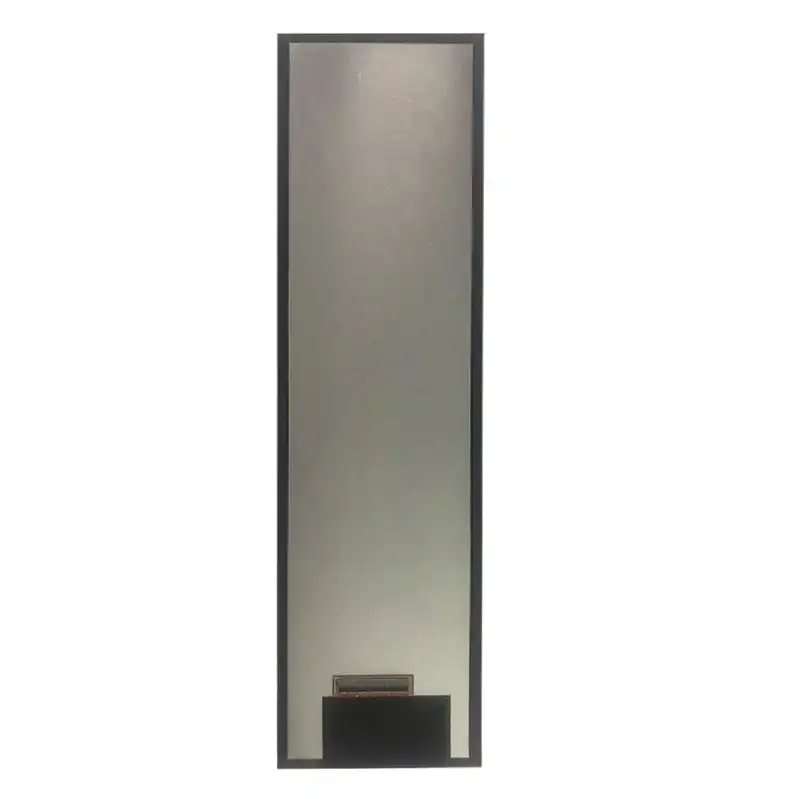
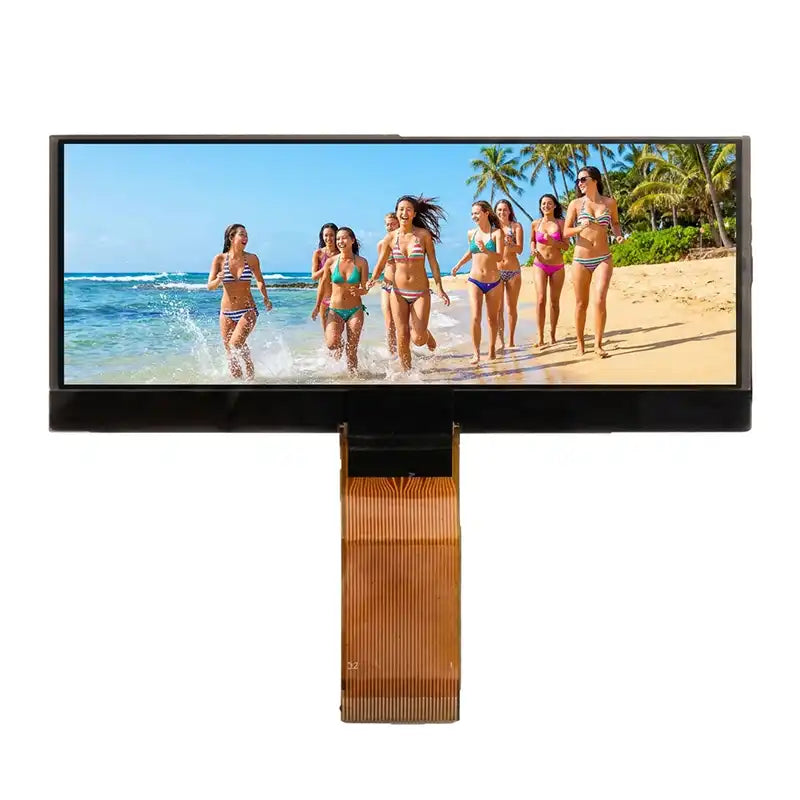
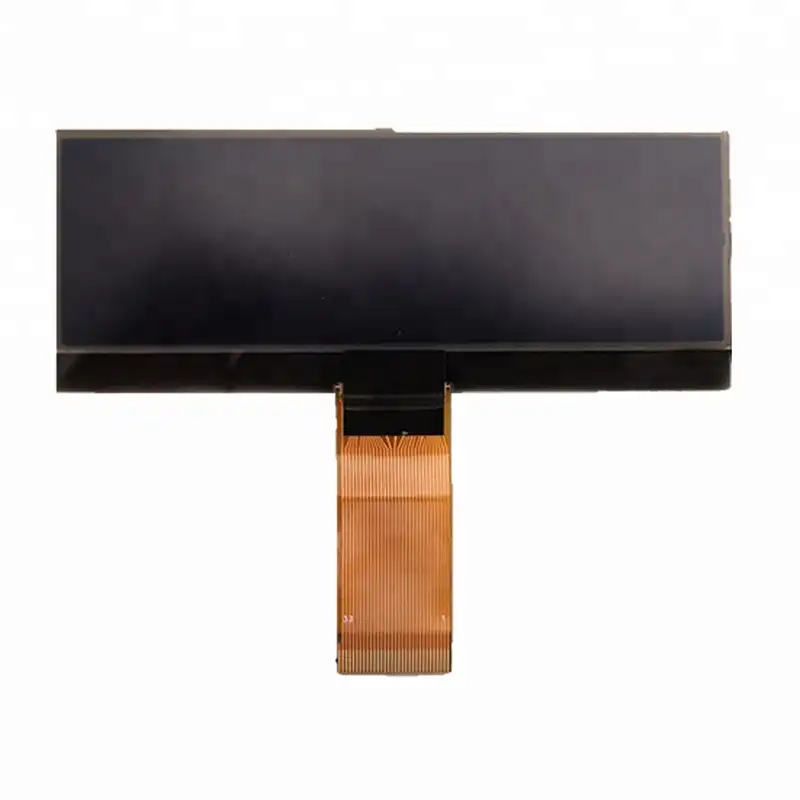
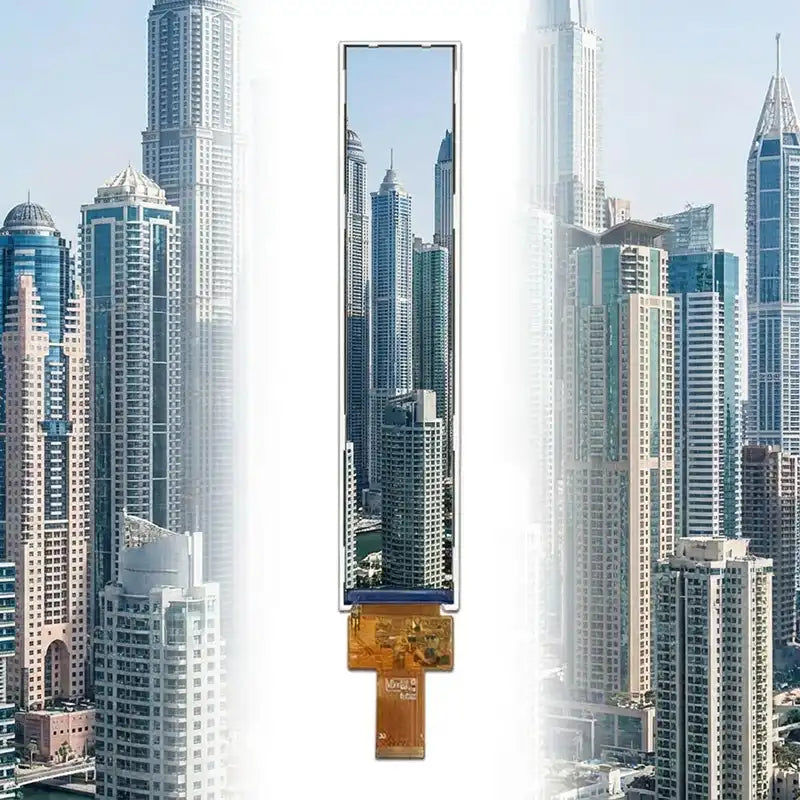
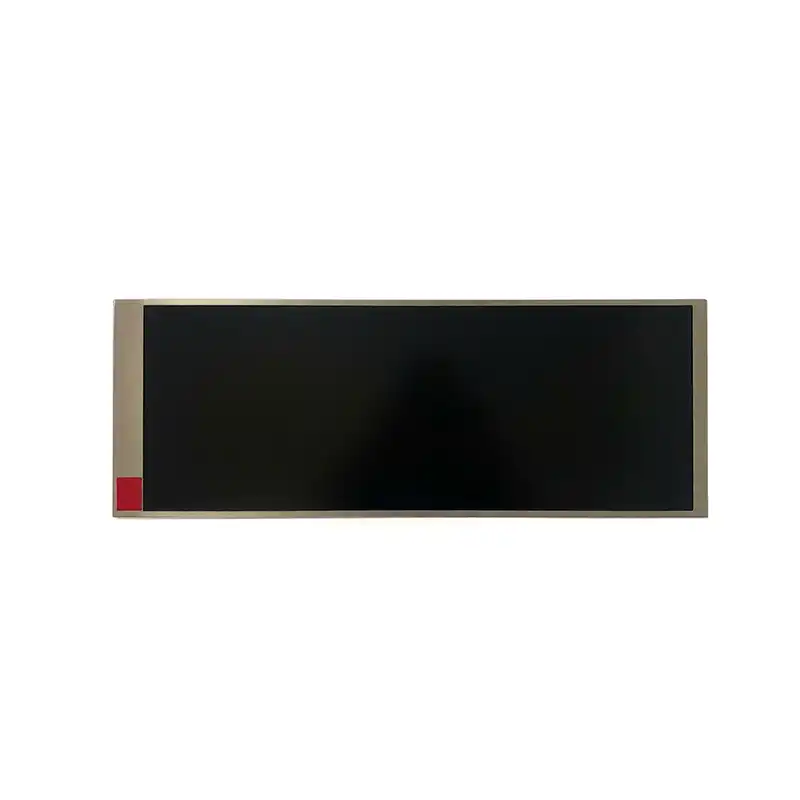
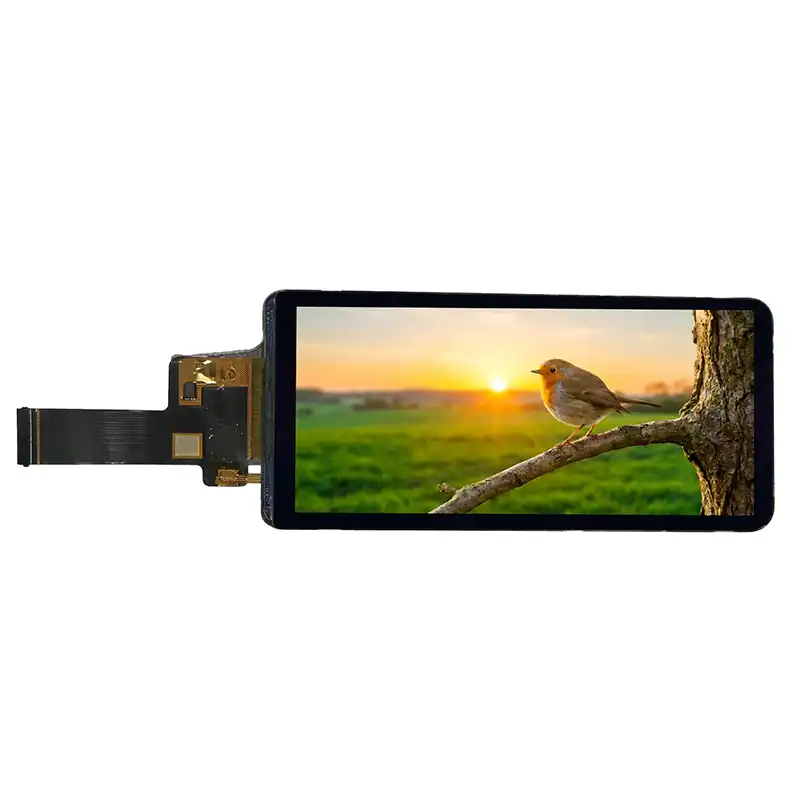
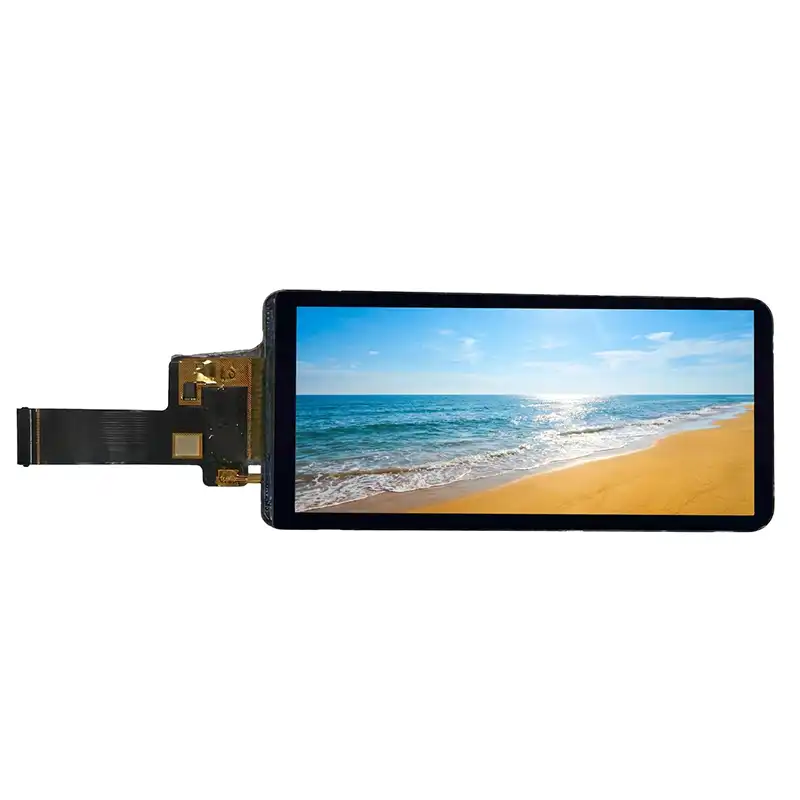
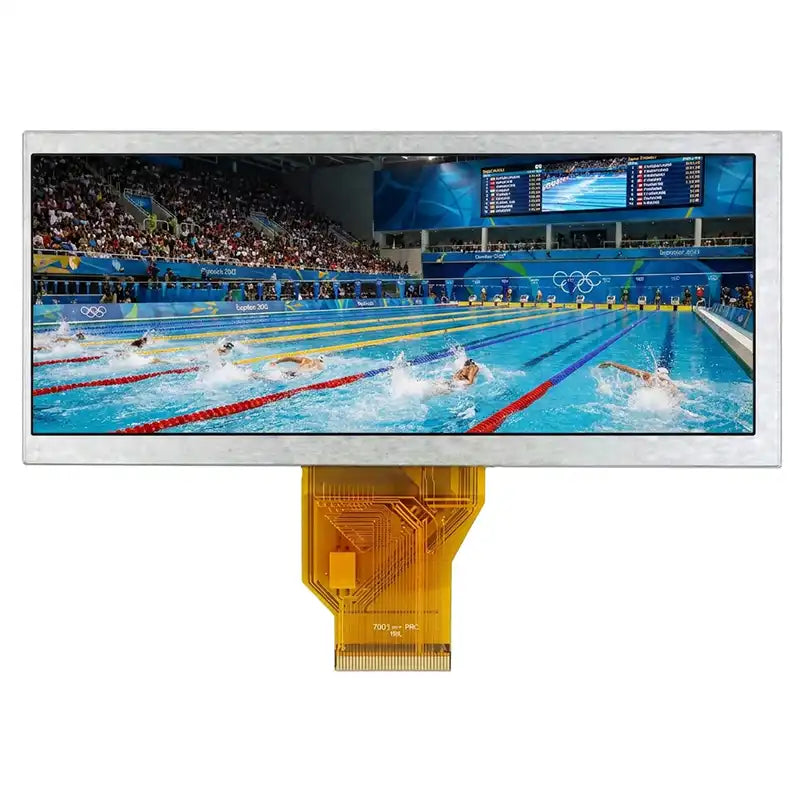
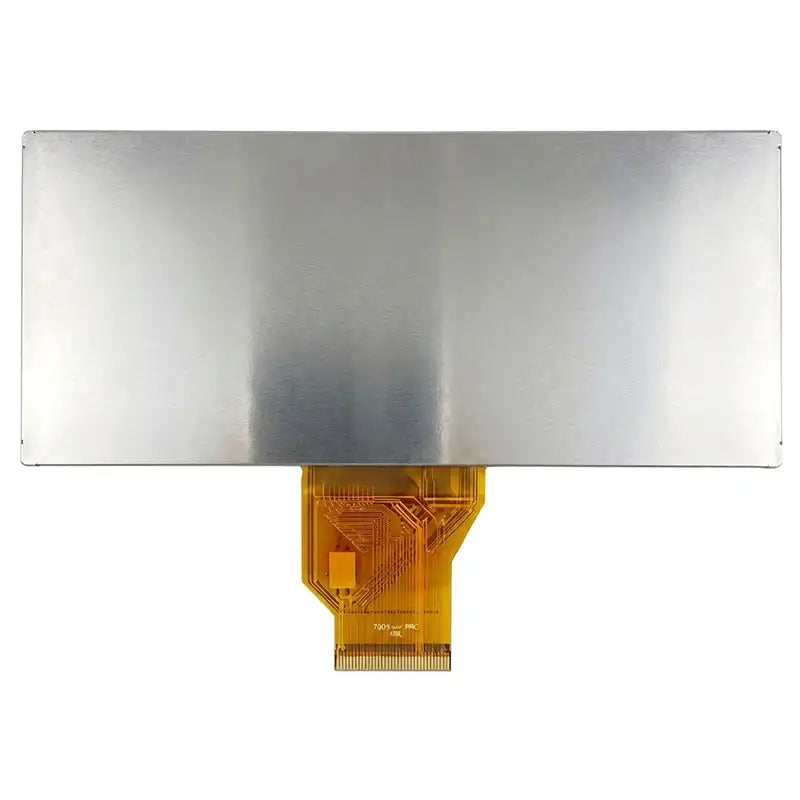
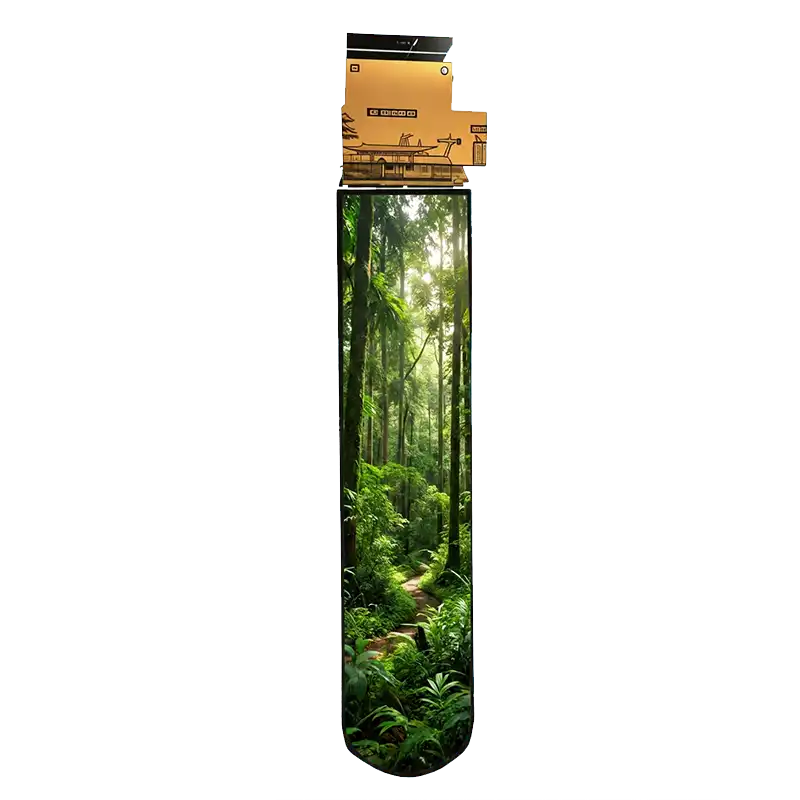
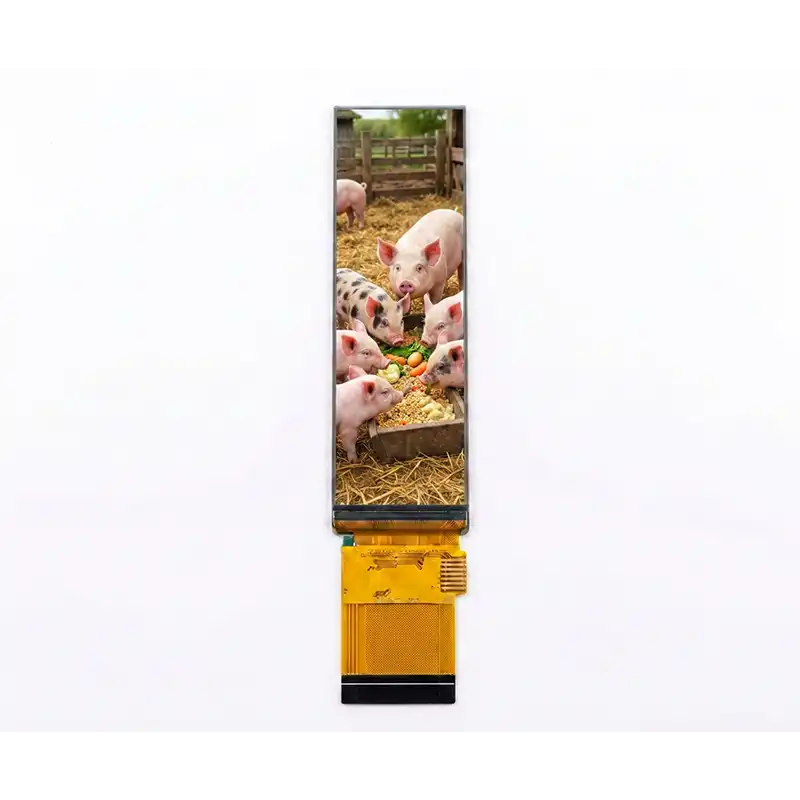
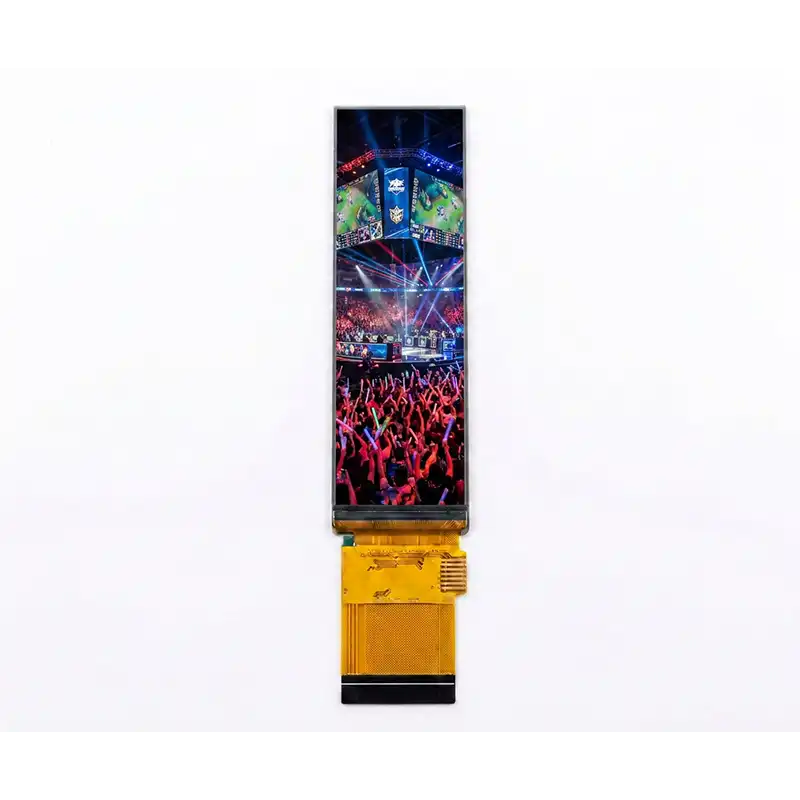
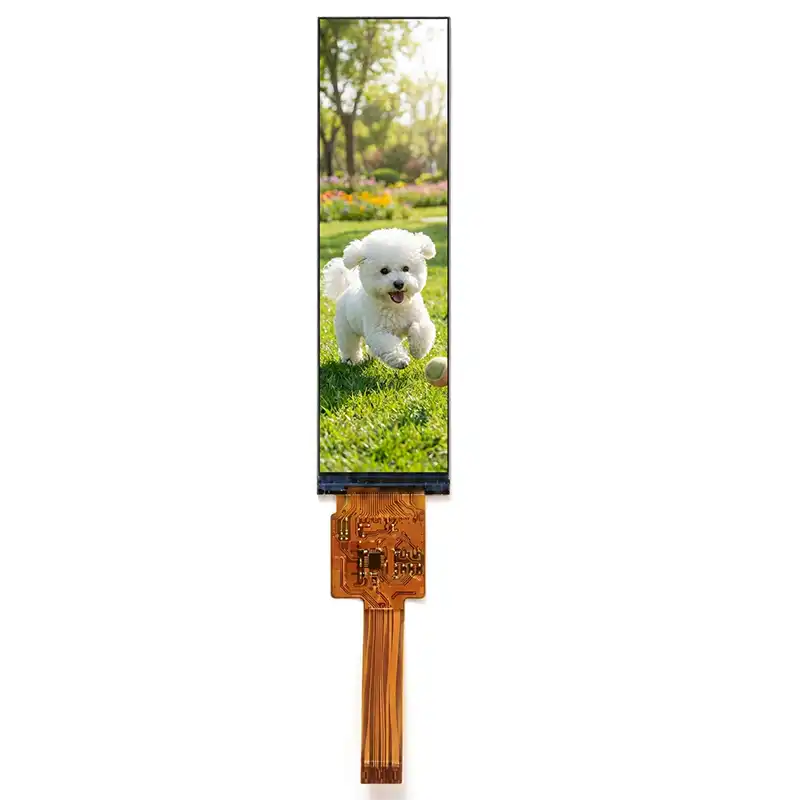
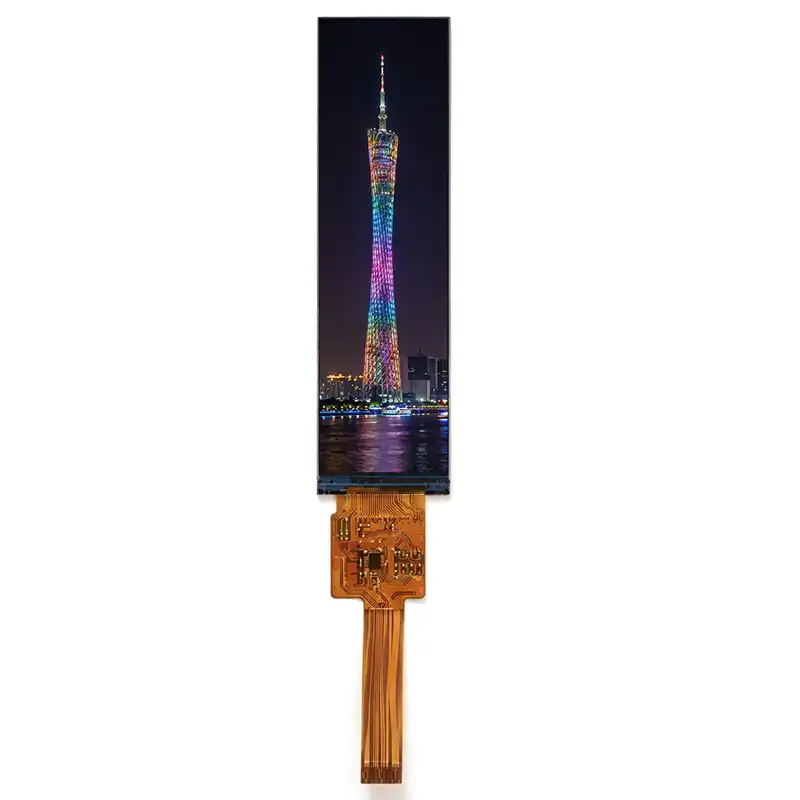
Our Bar Type LCD Module series is developed for OEM manufacturers, industrial equipment developers, and system integrators that require a narrow, elongated display module for product integration. Rather than positioning this category as a standard finished display for general-purpose use, it is better understood as a semi-finished display component designed to support custom hardware platforms, embedded development, and project-based engineering requirements.

In many real-world equipment projects, the challenge is not simply finding a display with the right diagonal size. Buyers often need a custom bar type LCD module that can better match enclosure dimensions, front-panel proportions, control board architecture, brightness expectations, interface direction, and final product layout. That is why this category is especially relevant for industrial systems, transportation devices, embedded terminals, and smart commercial equipment where a standard finished display may create unnecessary compromise during integration.

OEM / ODM Custom Integration Semi-Finished Module Industrial Use Project Support Display Customization

Who This Product Is For

  • Equipment manufacturers building proprietary product platforms
  • Industrial design teams needing a long and narrow display format
  • System integrators matching displays with custom control solutions
  • Buyers sourcing a bar type LCD module supplier for OEM development
  • Developers needing a module rather than a finished display product
Meta Title

Custom Bar Type LCD Module Manufacturer for OEM & Industrial Projects


Meta Description

Custom Bar Type LCD Module manufacturer for OEM and industrial projects, with flexible size, brightness, interface, touch, structure, and embedded integration options.

Why This Page Is Positioned Around Custom Module Projects

A Bar Type LCD Module is selected very differently from a finished display. In practical B2B sourcing, customers usually do not begin by asking only for a screen size. They start with the product they are building, the structure they need to follow, and the use conditions the display must support. The key questions often relate to installation space, visible area, enclosure constraints, interface architecture, operating logic, brightness needs, and overall project compatibility. Because of this, the display module should help the development process move forward rather than limit it.

This page is intentionally written around project-based selection logic rather than a generic consumer description. That matters for both buyers and Google SEO. Buyers searching for a bar type LCD module manufacturer, bar type TFT LCD module, or custom bar type LCD module usually want to know whether the supplier understands real product integration challenges. Search engines also tend to favor content that shows clear topical depth, practical commercial value, and stronger alignment with user intent. By focusing on module-level customization, OEM integration, and application fit, this page is better aligned with the commercial search traffic most likely to convert.

Buyer-Focused Strengths of a Bar Type LCD Module

Better for OEM Product Design

A module-level solution gives engineering teams more flexibility than a finished display when structure, interface, visible area, and product appearance must be coordinated together.

Fits Narrow and Elongated Spaces

The long-format display shape helps make better use of limited front-panel area in embedded equipment, industrial devices, and specialized control systems.

Supports Custom Project Direction

Useful for projects requiring a bar type TFT LCD module with application-based planning for size, brightness, touch, or mechanical integration.

Improves Final Product Identity

A narrow display format can help create a cleaner interface layout and a more purpose-built product appearance than a standard off-the-shelf screen.

Why Standard Finished Displays May Not Fit OEM Projects

Common Problems with Standard Display Products

  • Fixed housing dimensions may not match the customer’s enclosure structure
  • Standard screen proportions can waste space in long and narrow devices
  • Predefined interfaces may not align with the project’s mainboard design
  • Finished products often increase redesign work during integration
  • Retail-oriented displays are usually less suitable for embedded planning

Why a Custom Bar Type LCD Module Is Often Better

  • Helps match the display direction to the actual product concept
  • Supports closer alignment between the module and system architecture
  • Reduces mismatch between visible area and front-panel layout
  • Improves engineering control during OEM product development
  • Provides a better foundation for long-term project revision and supply planning

Experience-based selection logic: In custom equipment projects, buyers often discover that the display issue is not only about screen size. It is usually tied to structure, interface compatibility, readability, and final assembly logic. A bar LCD module becomes more valuable when the project needs a display component that can fit those conditions naturally instead of forcing the product to adapt to a standard finished screen.

Key Points Buyers Usually Confirm Before Selection

Selection Point Why Buyers Check It Project Impact
Installation Space Determines whether the display format can fit the product structure Directly affects enclosure planning and module suitability
Visible Area Ensures the screen supports the intended interface layout Impacts readability and front-panel efficiency
Brightness Requirement Different environments require different visual performance Affects viewing quality in real operating conditions
Interface Compatibility The module must work with the customer’s hardware architecture Reduces integration risk and helps avoid redesign
Touch Requirement Some products require front-end interaction at display level Changes user operation logic and front-panel design
Operating Environment Industrial and commercial applications have different usage conditions Influences display planning and long-term suitability
Project Stage Early design and late-stage procurement have different priorities Helps define the most practical module path

Customization Options for a Bar Type LCD Module

A custom bar type LCD module is valuable because the display can be selected according to the actual conditions of the final equipment rather than only according to a standard catalog model. In OEM development, that flexibility often improves both technical fit and project efficiency. One customer may prioritize a slim outline for compact embedded installation, while another may focus more on brightness for stronger ambient light conditions. Some projects require touch integration, while others place greater importance on interface compatibility, visible area ratio, or mounting coordination.

This is one of the reasons why buyers searching for an industrial bar LCD module or a bar type LCD module supplier often care more about project communication and technical matching than about a single standard specification. The right module direction is usually the one that helps the display work more naturally within the final device platform.

Size & Display Area

Suitable for applications where the visible area must match a long, narrow enclosure or a specific information layout within a custom product structure.

Brightness Planning

Important for devices used in different lighting conditions, from indoor commercial terminals to environments where readability needs more support.

Interface Direction

Helps the bar type TFT LCD module fit more effectively into the customer’s control board system and hardware logic.

Touch & Front Integration

Supports products that require a more complete interaction experience or a cleaner integrated front-panel appearance.

Mechanical Coordination

Important when the display must follow mounting concepts, internal assembly constraints, and enclosure limitations from the beginning.

Project-Oriented Adjustment

More practical for OEM development than forcing a standard finished display into a product that was never designed around it.

Application-Based Selection Logic

Industrial Equipment

Industrial devices often require a display that can fit compact control areas while presenting machine status, process information, or operator guidance in a clear and efficient format. A bar type LCD module is often selected because it supports better integration with specialized equipment rather than looking like an external monitor added after the design is already fixed.

Transportation Systems

Transportation applications often benefit from long-format display layouts because route information, scheduling guidance, and passenger notices can be presented more clearly in a narrow visual area. In these projects, both readability and installation shape are important selection factors.

Smart Retail Devices

Shelf-edge systems, vending machines, digital merchandising units, and smart cabinets often require narrow screens that fit modern commercial device structures. A custom bar type LCD module can help improve both visual efficiency and product appearance.

Embedded Terminals and Branded Devices

For communication products, access systems, self-service terminals, and other proprietary electronics, a module-level solution provides more control over interface design, structure alignment, and final product identity than a fixed finished display product.

How Module-Level Planning Helps Reduce Integration Risk

One of the strongest trust signals in B2B display sourcing is whether the supplier understands integration risk before purchasing decisions move forward. In custom projects, display selection affects more than appearance. It can influence enclosure planning, control board compatibility, front-panel usability, assembly logic, and even the timing of sample validation. A bar type LCD module supplier focused on practical project development should therefore help buyers think beyond the panel itself.

When buyers review a display module earlier in the design process, they can better coordinate the relationship between the active area, external outline, mounting concept, and hardware path of the final product. This usually reduces unnecessary engineering changes later. It also supports a more efficient development cycle because the display direction is aligned with the product from the beginning instead of being adjusted only after the device structure is already fixed.

For this reason, many OEM customers prefer a bar type LCD module manufacturer that can support requirement review, application matching, and project communication instead of only supplying a generic panel list. That kind of cooperation reflects practical experience and deeper product understanding, which are important E-E-A-T signals for a page like this.

Project Support Process

01

Requirement Review

Confirm the application type, installation concept, product structure direction, and general display objectives needed for the project.

02

Selection Matching

Review display format, custom direction, and module-level suitability based on the practical conditions of the customer’s equipment.

03

Integration Evaluation

Align the module with enclosure logic, interface expectations, control architecture, and development priorities before deeper project follow-up.

04

Follow-Up Cooperation

Support communication from early review toward sample confirmation, project refinement, and longer-term supply coordination.

Why This Structure Is Stronger for Google SEO and E-E-A-T

This page does more than define a product category. It explains who the product is for, why standard alternatives may not fit, how buyers usually evaluate a display module, and why a custom approach matters in practical equipment development. That improves topical depth and buyer usefulness, which is far more aligned with Google’s quality expectations than a keyword-only description.

The content also naturally supports relevant search phrases such as Bar Type LCD Module, custom bar type LCD module, bar type TFT LCD module, industrial bar LCD module, bar type LCD module supplier, and bar type LCD module manufacturer. More importantly, those keywords are reinforced by experience-based, decision-oriented content rather than repetitive insertion. That balance improves relevance without making the page feel artificially optimized.

For a B2B product page, E-E-A-T becomes stronger when the content clearly reflects real industry understanding. In this case, the strongest signals come from the way the page addresses selection logic, integration concerns, OEM project conditions, and application fit. That makes the page more credible to both professional buyers and search engines.

Custom Bar Type LCD Module for OEM and Industrial Projects

If you are sourcing a Bar Type LCD Module for a custom equipment project, it is usually helpful to confirm the installation direction, visible area expectation, application environment, interface architecture, and whether touch or front integration is required. These points make matching more accurate and help reduce unnecessary redesign risk later in development.

A custom bar type LCD module is typically the better choice when the final product requires stronger compatibility with enclosure structure, hardware architecture, and branded interface design than a standard finished display can provide.

  • Suitable for OEM and ODM development
  • Better for embedded and industrial integration
  • Supports project-based customization direction
  • More relevant for buyers seeking long-term module cooperation

Filters

Sort by:

20 products

Sold out
15 Inch Bar Type LCD Module for Vehicle Camera Monitor Systems15 Inch Bar Type LCD Module for Vehicle Camera Monitor Systems
Sold out
12.3 Inch Stretched LCD Module for Smart Control Panels12.3 Inch Stretched LCD Module for Smart Control Panels
Sold out
11.2 Inch Ultra-Wide LCD Module for Smart Interface Devices11.2 Inch Ultra-Wide LCD Module for Smart Interface Devices
Sold out
10.3 Inch Automotive LCD Module for Dashboard Displays10.3 Inch Automotive LCD Module for Dashboard Displays
Sold out
9.16 Inch Stretched LCD Module for Embedded Display Panels9.16 Inch Stretched LCD Module for Embedded Display Panels
Sold out
8.8 Inch Horizontal Stretched LCD Module for Embedded Systems8.8 Inch Horizontal Stretched LCD Module for Embedded Systems
Sold out
8.8 Inch Vertical Bar LCD Module for Control Panel Devices8.8 Inch Vertical Bar LCD Module for Control Panel Devices
Sold out
8.1 Inch Bar Type LCD Module for Smart Displays and Embedded Device Design8.1 Inch Bar Type LCD Module for Smart Displays and Embedded Device Design
Sold out
8.01 Inch Narrow LCD Module for Embedded Device Interfaces8.01 Inch Narrow LCD Module for Embedded Device Interfaces
Sold out
7 Inch Stretched LCD Module for Embedded Control Equipment7 Inch Stretched LCD Module for Embedded Control Equipment
Sold out
6.86 Inch Bar Type LCD Module for Smart Displays and Embedded Device Design6.86 Inch Bar Type LCD Module for Smart Displays and Embedded Device Design
Sold out
6.7 Inch Bar LCD Module for Slim Embedded Display Products6.7 Inch Bar LCD Module for Slim Embedded Display Products
Sold out
6.2 Inch Industrial LCD Module for HMI Control Panels6.2 Inch Industrial LCD Module for HMI Control Panels
Sold out
4.9 Inch Small Bar LCD Module for Compact Embedded Devices4.9 Inch Small Bar LCD Module for Compact Embedded Devices
Sold out
4.6 Inch Compact LCD Module for Narrow Smart Display Panels4.6 Inch Compact LCD Module for Narrow Smart Display Panels
Sold out
4 Inch Bar LCD Module for Embedded HMI Control Devices4 Inch Bar LCD Module for Embedded HMI Control Devices
Sold out
3.71 Inch Bar Type LCD Module for Compact Embedded Displays3.71 Inch Bar Type LCD Module for Compact Embedded Displays
Sold out
3.4 Inch Narrow LCD Module for Embedded Smart Devices3.4 Inch Narrow LCD Module for Embedded Smart Devices
Sold out
2.99 Inch Compact Bar LCD Module for Smart Display Devices2.99 Inch Compact Bar LCD Module for Smart Display Devices
Sold out
2.5 Inch SPI TFT Bar LCD Module for Smart Home Control Panels2.5 Inch SPI TFT Bar LCD Module for Smart Home Control Panels

OLED Display Module Specifications

Wearable & Small Displays (0.95" - 2.06")

Size Resolution Interface Brightness (nits) Main Application
0.95 inch 120 x 240 SPI / I2C 350 Smart Band
1.20 inch 390 x 390 MIPI / SPI 400 Smart Watch
1.39 inch 454 x 454 MIPI 450 High-end Wearable
1.50 inch 128 x 128 SPI 300 Medical Device
2.06 inch 410 x 502 MIPI 500 Smart Watch / IoT

Industrial & Handheld Displays (3.92" - 8.0")

Size Resolution Interface Brightness (nits) Main Application
3.92 inch 1080 x 1200 MIPI 400 VR / AR Headset
5.00 inch 1080 x 1920 MIPI 450 Handheld Terminal
5.50 inch 1080 x 1920 MIPI 500 Smart Home Control
6.00 inch 1440 x 2880 MIPI 450 Industrial PDA
7.00 inch 1080 x 1920 MIPI 500 Vertical Handheld Device
7.00 inch 1280 x 800 LVDS 450 Industrial / Medical Monitor
8.00 inch 1200 x 1920 MIPI 500 Tablet / Smart Panel

IT & Laptop Displays (12.6" - 15.6")

Size Resolution Interface Brightness (nits) Main Application
12.6 inch 2560 x 1600 eDP 400 Premium Tablet
13.3 inch 1920 x 1080 eDP 400 Ultrabook / Laptop
14.0 inch 2880 x 1800 eDP 500 High-end Laptop
15.6 inch 3840 x 2160 eDP 400 Portable Monitor / Laptop

Contact Us

Do you have any question?

OLED DISPLAY

Blog posts
View all
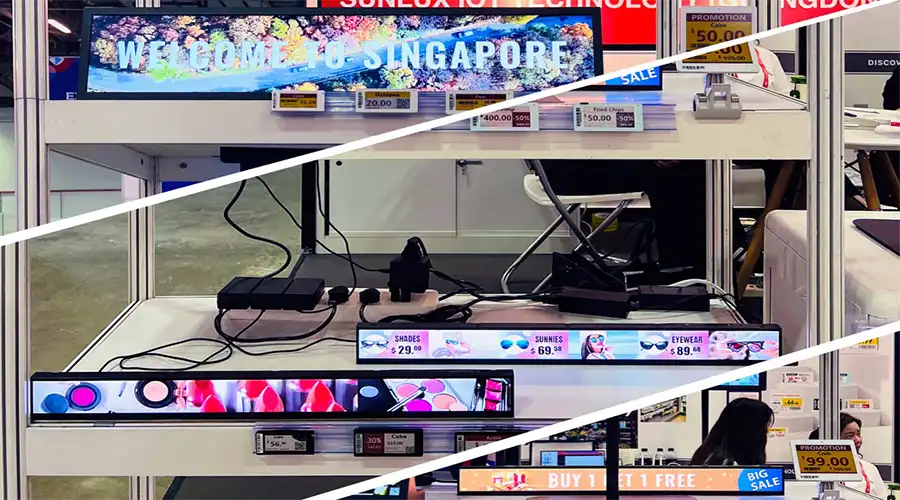
Why Stretched Bar LCD Displays Are Powering Smart Retail in 2026

Why Stretched Bar LCD Displays Are Powering Smart Retail in 2026

Table of Contents 1. The Evolution of the Digital Shelf Edge 2. What ...
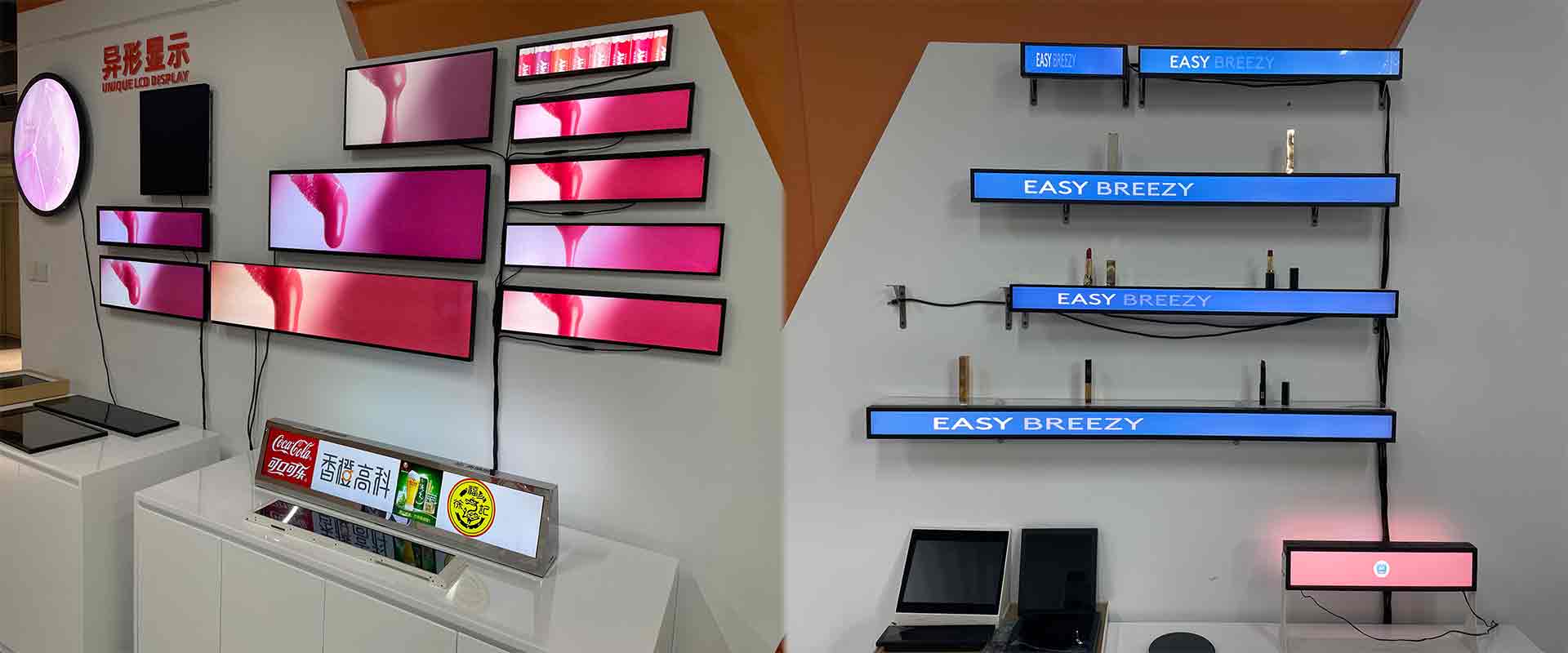
Bar LCD Display Modules: Key Parameters Engineers Must Know in 2026

Bar LCD Display Modules: Key Parameters Engineers Must Know in 2026

Table of Contents 1. Defining the Technology: Terminology and Synonyms ...
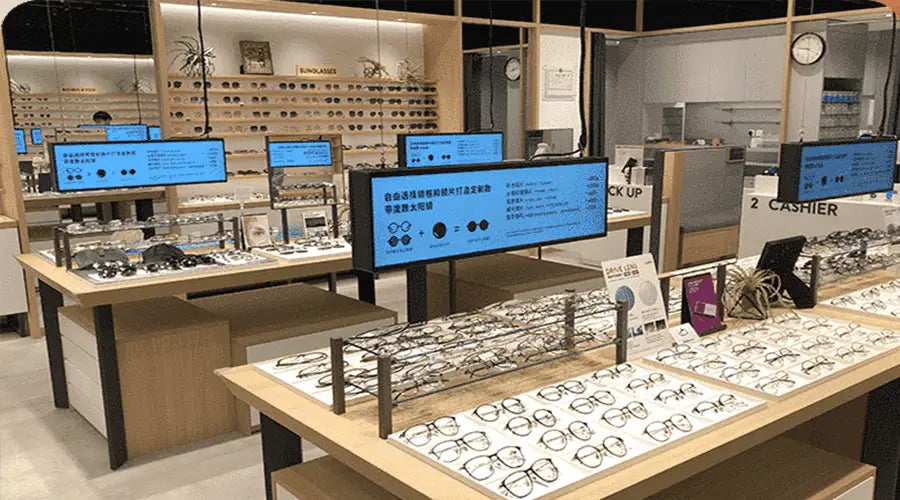
The Definitive Guide to Bar LCD Stretched Displays: Engineering, Applications, and Customization for 2025

The Definitive Guide to Bar LCD Stretched Displays: Engineering, Applications, and Customization for 2025

Table of Contents 1. Defining the Bar LCD Stretched Display 2. Engine...