
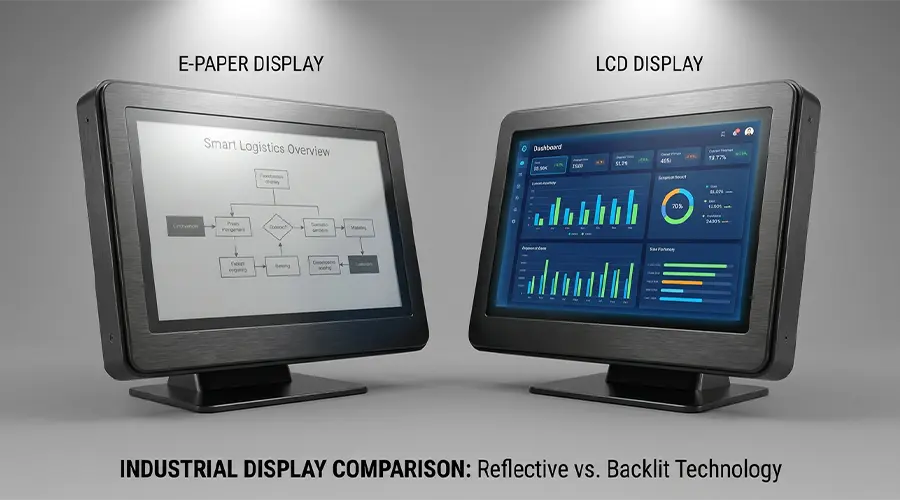
E-Paper vs LCD: How to Choose the Right Low-Power Display Solution
Contents What Is an E-Paper Display? What Is an LCD Display? E-Paper vs LCD: Key Differences at a Glance Power Consumption Comparison Why E-Paper Is Ideal for Battery-Powered Static Content Wh...
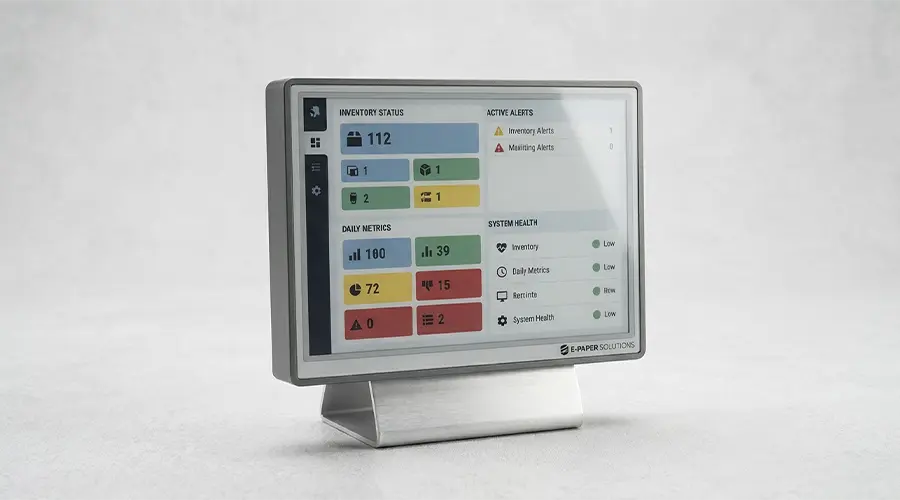
Color E-Paper Display Selection Guide: Size, Resolution, and Application Recommendations
Contents What Is a Color E-Paper Display? Key Advantages of Color E-Paper Low Power with Richer Visual Communication Better Category Highlighting and Information Hierarchy Improved Retail and ...
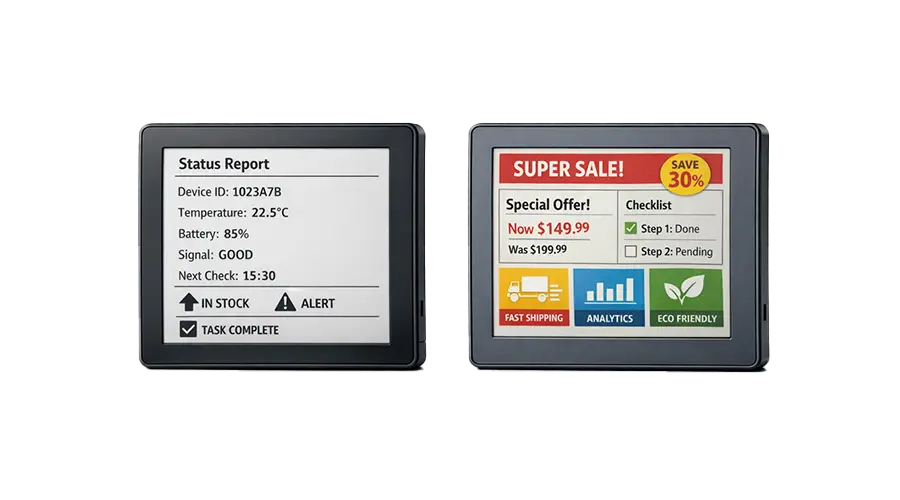
Black and White vs Color E-Paper Displays: How to Choose the Right Option
Contents What Is Black and White E-Paper? What Is Color E-Paper? Core Differences Between Black and White and Color E-Paper Advantages of Black and White E-Paper Simplicity Strong Readability ...
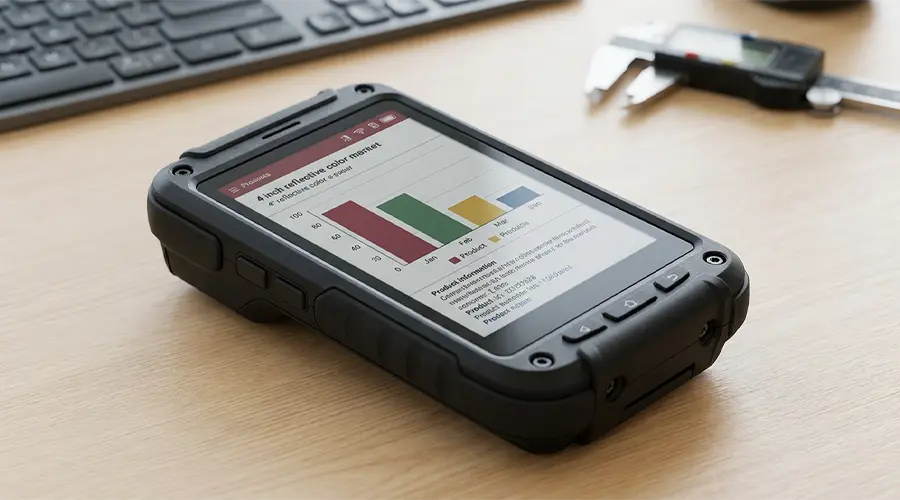
Custom E-Paper Display Module Guide: Size, Interface, Touch, and Mechanical Design Considerations
Contents What Can Be Customized in an E-Paper Display Module? Display Size Resolution Front Light or Cover Lens Options Touch Panel Integration FPC Layout and Connector Type Housing or Frame S...
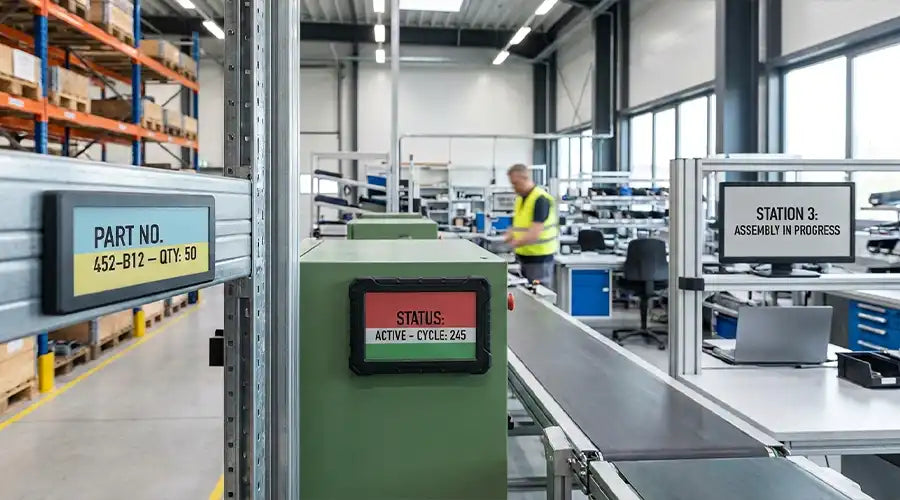
E-Paper Display Applications by Industry: Retail, Industrial, Medical, and Office Use Cases
Contents Why E-Paper Fits So Many Industries Low Power Operation High Ambient-Light Readability Clean and Quiet Visual Presentation F...
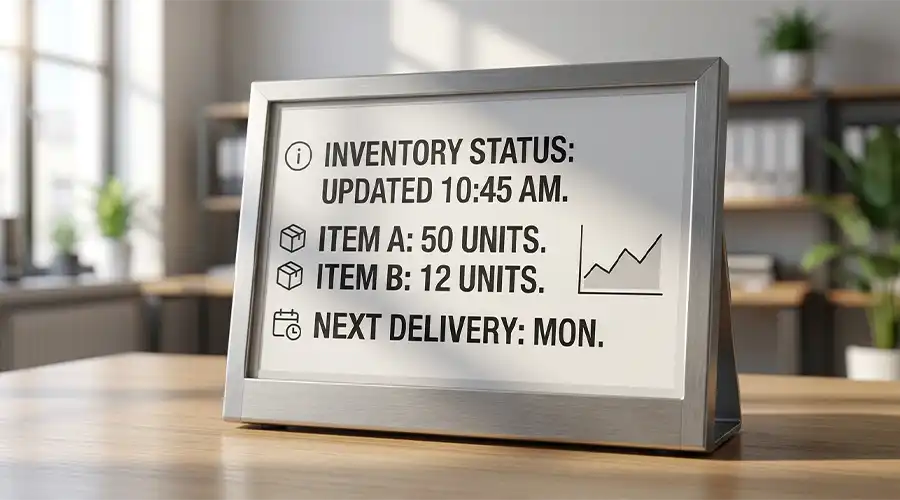
What Is an E-Paper Display? Benefits, Uses & How It Works
E-Paper displays have become an important option for products that need low power consumption, high readability, and a paper-like viewing experience. From electronic shelf labels and smart tags...
Blog posts
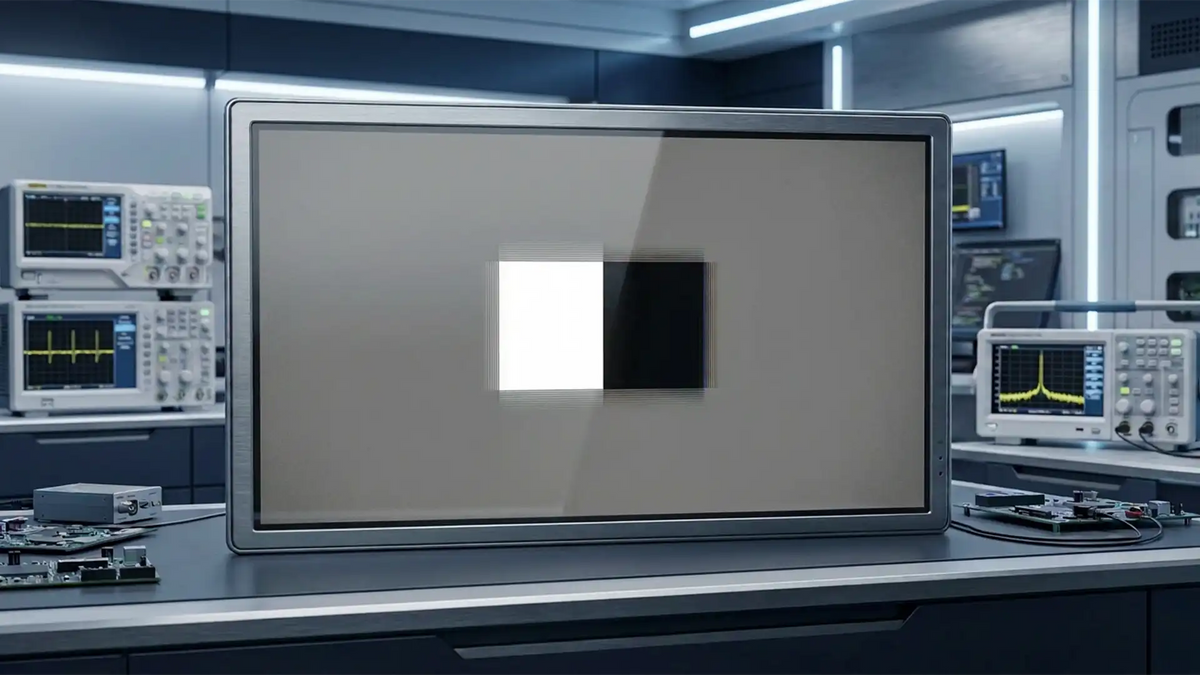
TFT LCD Crosstalk: Definition, Causes and Solutions
Contents What Is TFT LCD Crosstalk? Basic Definition Why Crosstalk Matters Why Crosstalk Is More Visible in Modern Displays Types of Crosstalk in TFT LCD Panels Horizontal Crosstalk Vertical C...

Inside Industrial OLED DISPLAY Modules: A Hardware Engineer's Guide to Driving Architecture
Table of Contents 1. The Basics: Why AMOLED Won the Industrial Market PMOLED Limits in Industrial Use Why AMOLED Became the Standard 2. The DDIC: Doing the Heavy Lifting Signal Conversio...
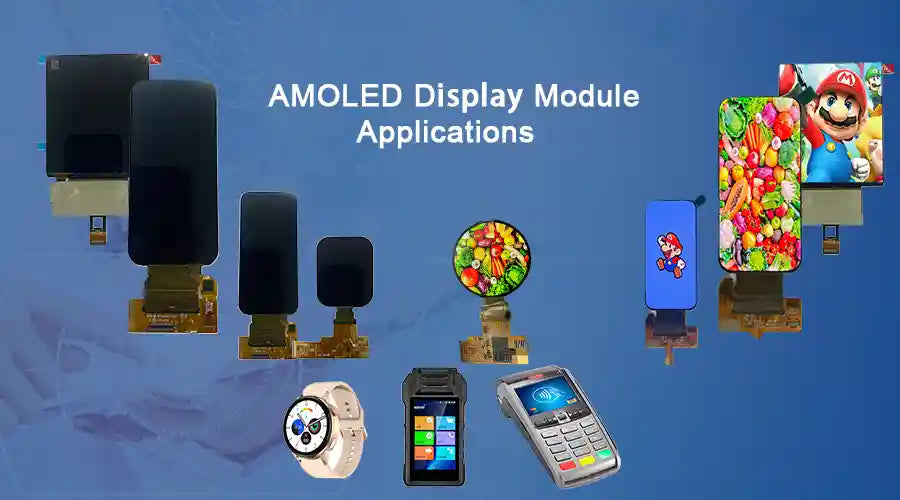
Table of Contents 1. High-Reliability Selection & Anti-Interference Design for Harsh Environments Conquering Extreme Environments: Wide-Temperature Operations EMI Resistance and Automot...