

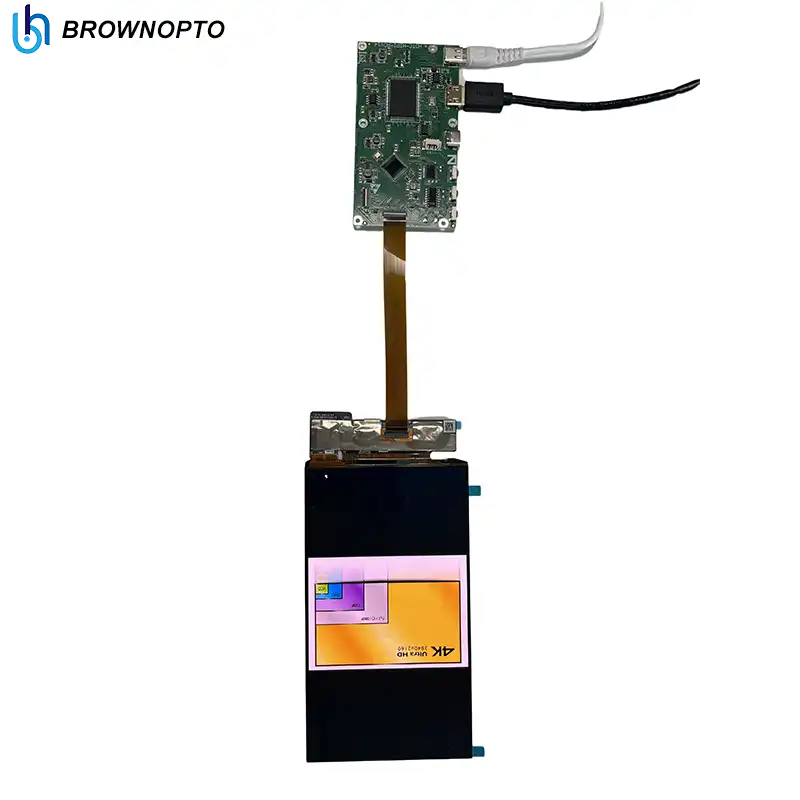

FHD+ 7 Inch AMOLED – 144Hz Refresh, Integrated Touch | BROWNOPTO
Overview
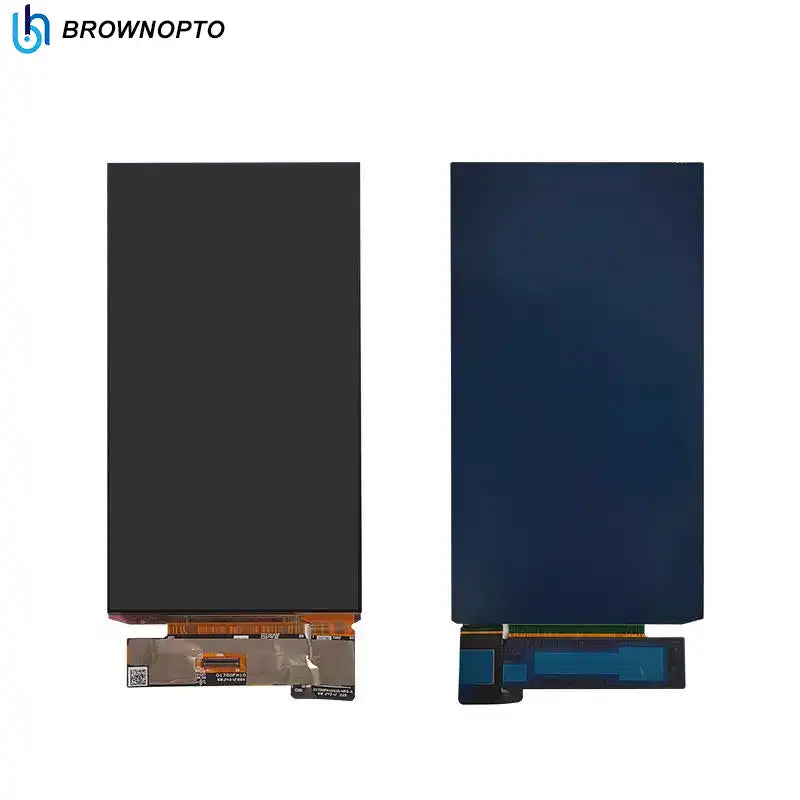
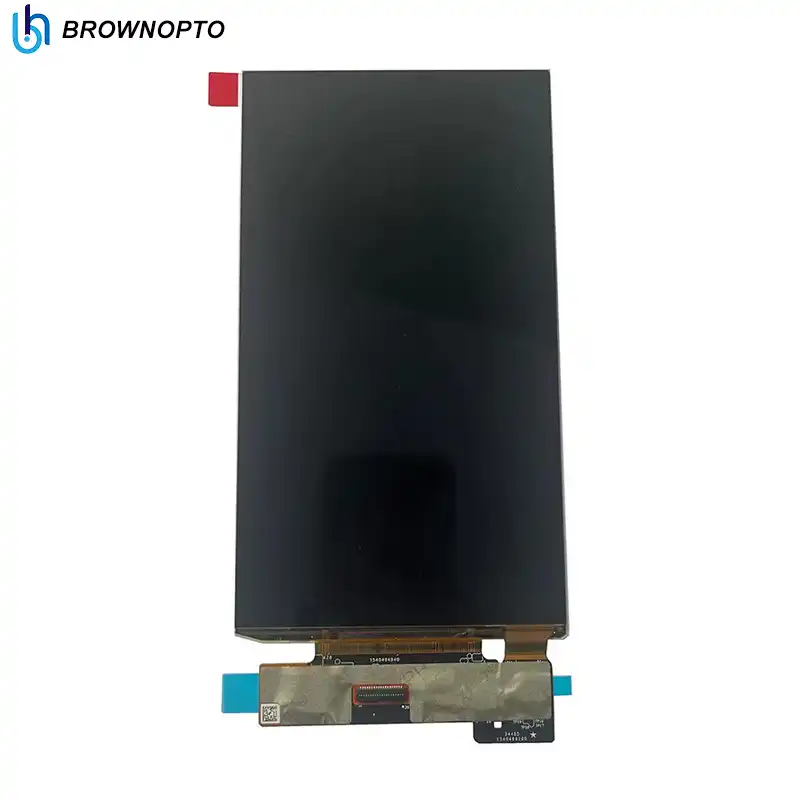
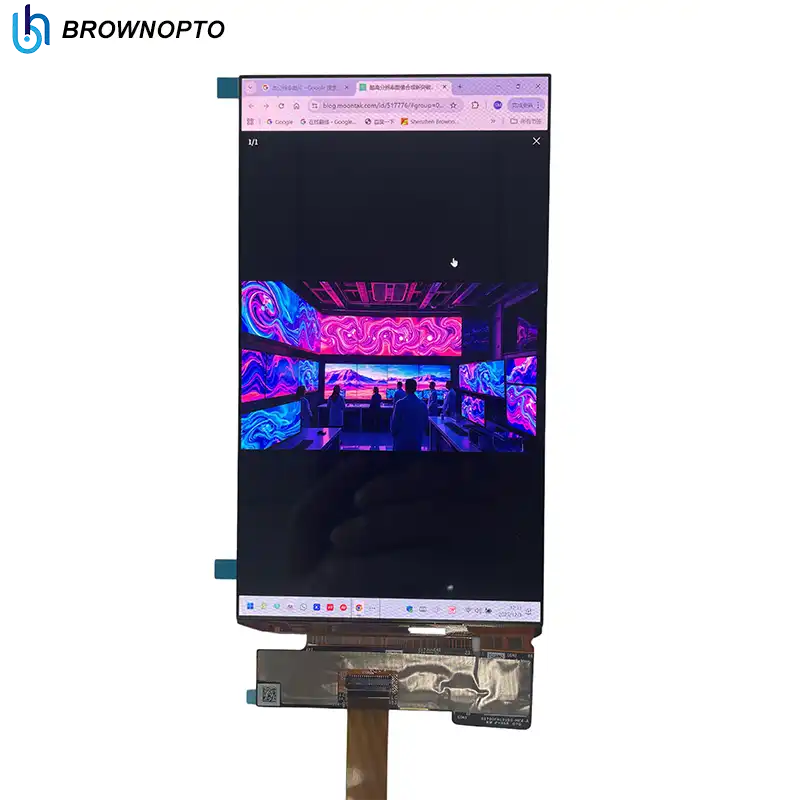
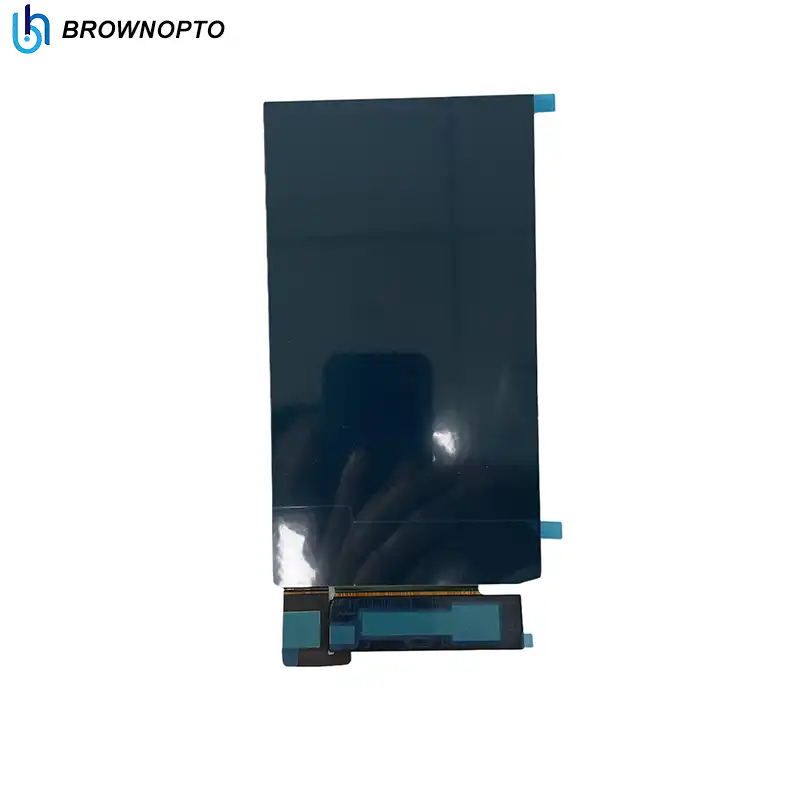
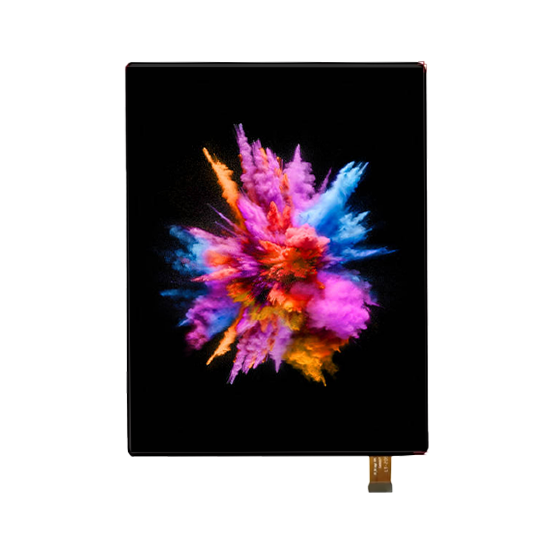
The BROWNOPTO BR1700FH101GG-003 is a high-performance 7.0-inch vertical AMOLED display module designed for premium applications demanding vivid visuals, ultra-fast response, and seamless integration. Featuring a Full HD+ resolution of 1080×1920 pixels, integrated On-Cell capacitive touch, and support for refresh rates up to 144Hz, this LTPS-based module delivers exceptional contrast (100,000:1) and true blacks in an ultra-slim 1.028mm profile.
Key Features
- Screen Size: 7.0 inch (Vertical Orientation)
- Resolution: 1080 (W) × 1920 (H) pixels (FHD+)
- Active Area: 87.1344 (H) × 154.9056 (V) mm
- PPI: 315
- Display Technology: LTPS AMOLED, Active Matrix
- Pixel Configuration: V-style RGB
- Refresh Rate: 60 / 90 / 120 / 144 Hz (Selectable)
- Touch Panel: On-Cell Capacitive, FT3519 IC
- Interface: MIPI DSI (4-lane)
- Driver IC: ICNA3512
- Normal Brightness: 800 cd/m² (Typ.)
- HBM Brightness: 1000 cd/m² (Typ.)
- Module Thickness: 1.028 mm (incl. POL & Foam)
- Compliance: RoHS 2.0
Technical Specifications
| Parameter | Value |
|---|---|
| Model Number | BR1700FH101GG-003 V.1 |
| Screen Size | 7.0 inch (Vertical) |
| Resolution | 1080 × 1920 (RGB) |
| Active Area (mm) | 87.1344 (H) × 154.9056 (V) |
| Outline Dimension (W×H×D) | 89.1344 × 160.9056 × 1.028 mm |
| PPI | 315 |
| Technology | LTPS AMOLED |
| Driver IC | ICNA3512 |
| Touch IC | FT3519 |
| Interface | MIPI DSI (4-lane) |
| Normal Brightness | 800 cd/m² (Typ.) |
| HBM Brightness | 1000 cd/m² (Typ.) |
| Contrast Ratio | 100,000:1 (Min.) |
| Viewing Angle | 80° (All directions, CR ≥ 20000) |
| Response Time | ≤2 ms (TON + TOFF) |
| Operating Temperature | -20°C ~ +70°C |
| Storage Temperature | -40°C ~ +80°C |
| Compliance | RoHS 2.0 |

Applications
- Smartphones & Mobile Devices: Premium full-screen experience with high refresh rate
- Industrial HMI: Rugged, readable displays for control panels and automation
- Medical Equipment: High-contrast imaging for diagnostics and monitoring
- Consumer Electronics: AR/VR, handheld gaming, smart wearables
Handling Precautions
- Avoid mechanical shock or excessive pressure on the glass surface.
- Clean only with a soft, lint-free cloth; use ethyl alcohol if necessary. Do not use ketone or aromatic solvents.
- Always follow the recommended power-on/off sequence to prevent damage.
- Ground yourself and tools during handling to prevent ESD damage.
- Do not disassemble the module or remove the protective film until final assembly.
Frequently Asked Questions (FAQ)
Q: What is the actual viewable screen size?
A: The active area measures 87.1344 mm (horizontal) by 154.9056 mm (vertical), corresponding to a 7.0-inch diagonal in vertical orientation.
Q: Does this module support high refresh rates?
A: Yes, it supports multiple refresh rates: 60Hz, 90Hz, 120Hz, and up to 144Hz, configurable via command.
Q: What interface does the display use?
A: The module uses a standard 4-lane MIPI DSI interface for video data and I²C for touch communication.
Q: Is the touch panel integrated?
A: Yes, it features an On-Cell capacitive touch panel driven by the FT3519 IC.
You may also like
Featured collection
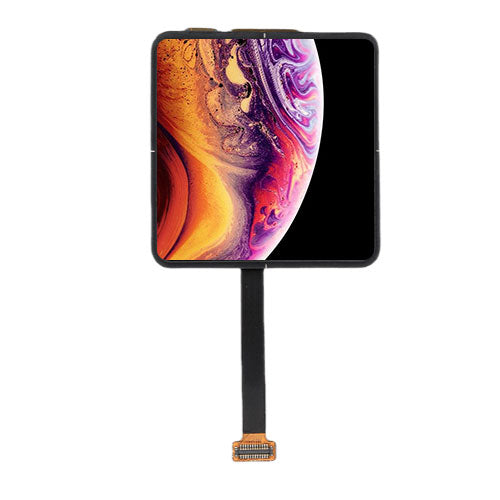
OLED Custom Solutions
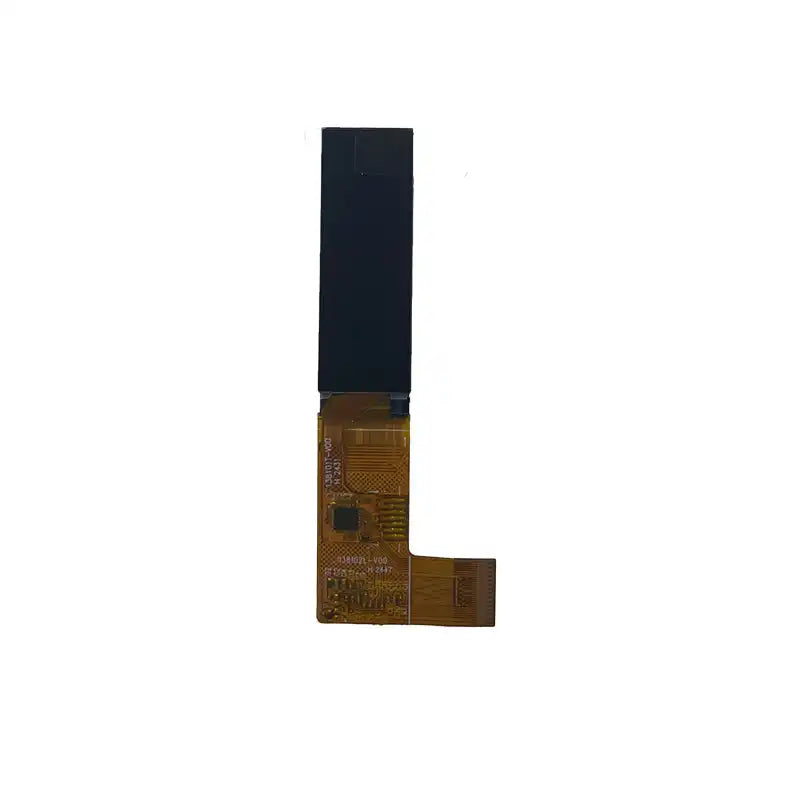
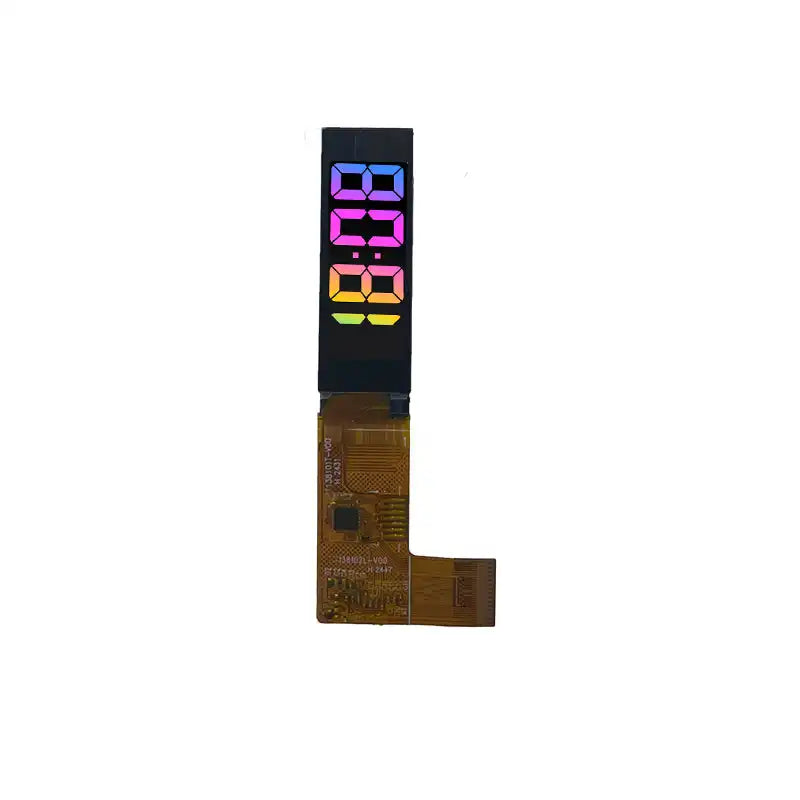
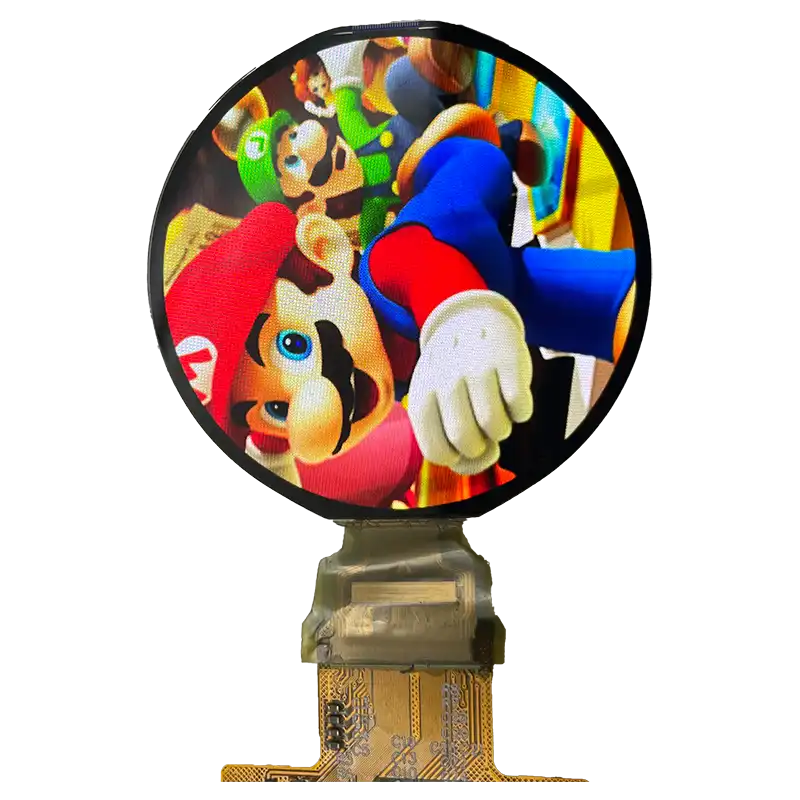
Our company offers custom-made OLED solutions, tailored to your unique display needs, ensuring high-quality, precision, and satisfaction.
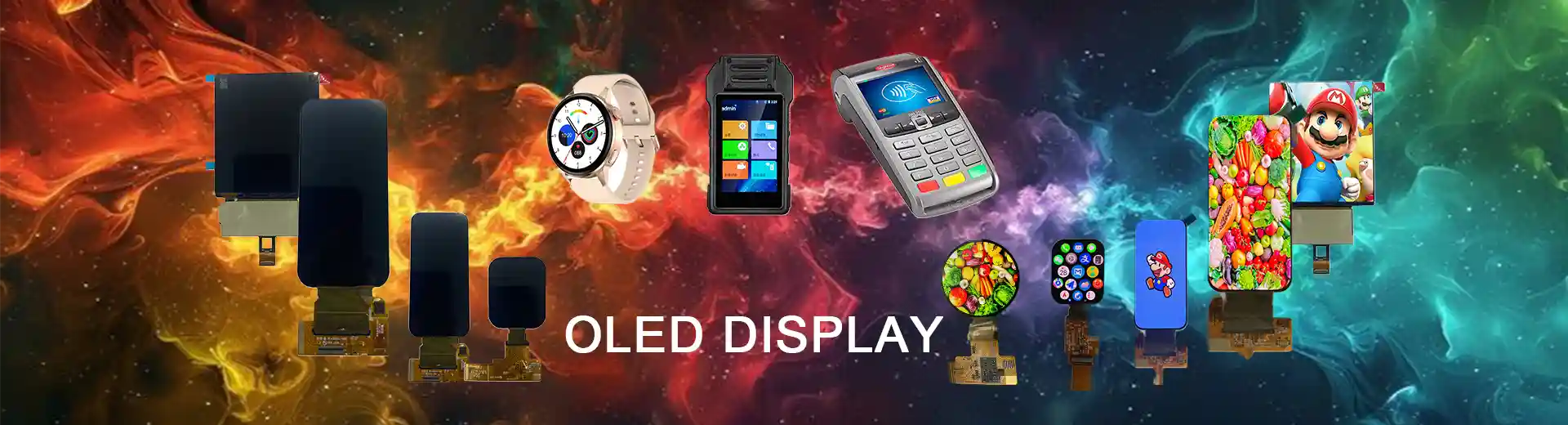
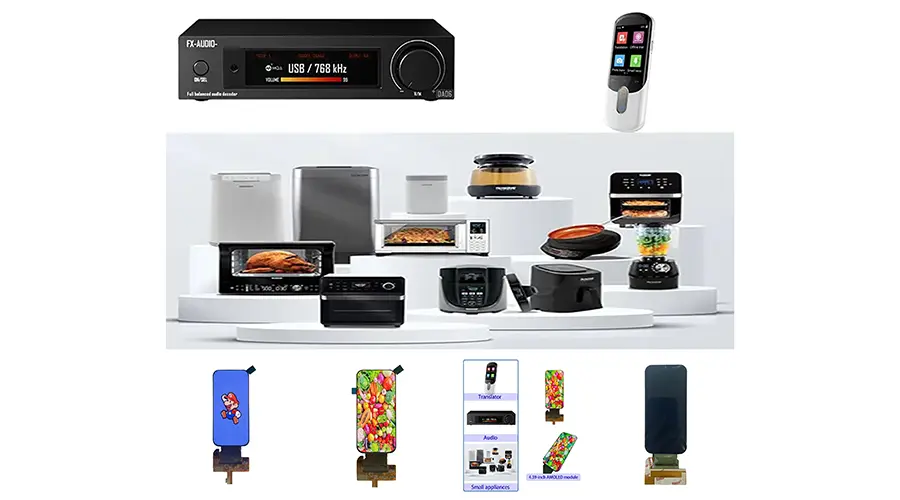
Size & Shape Customization
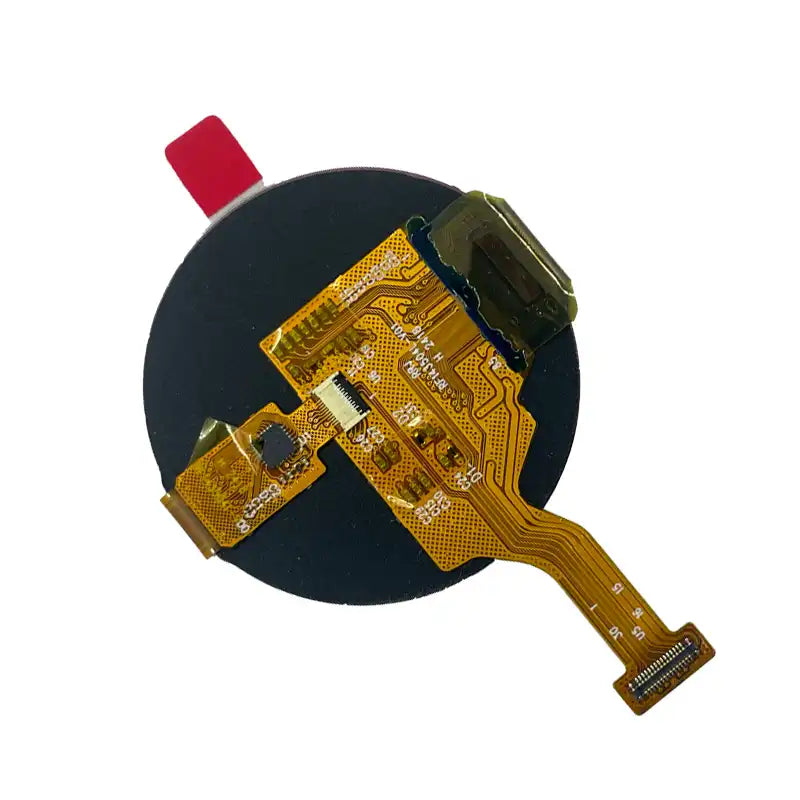
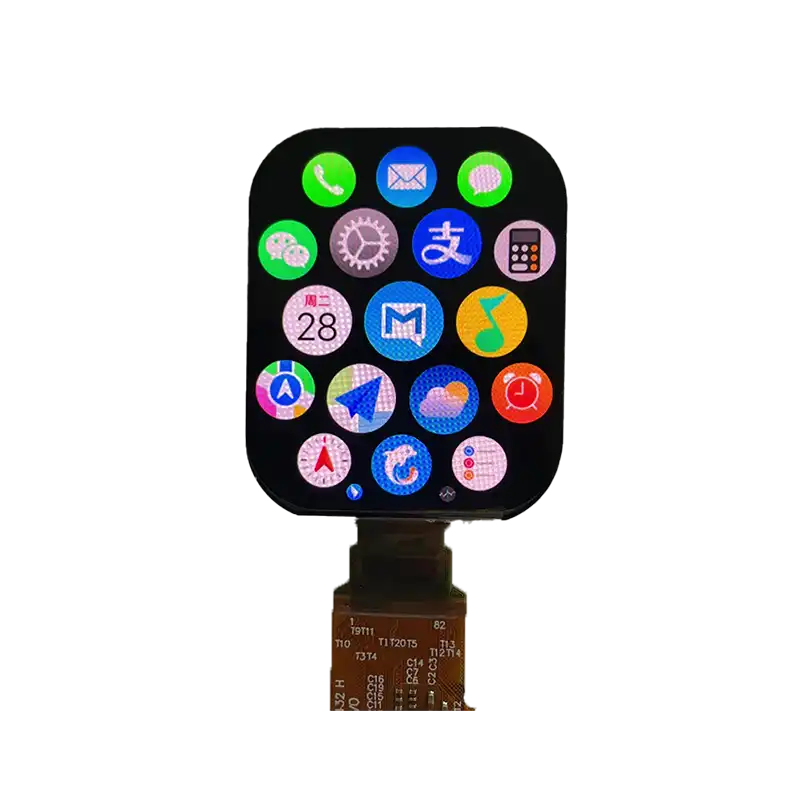
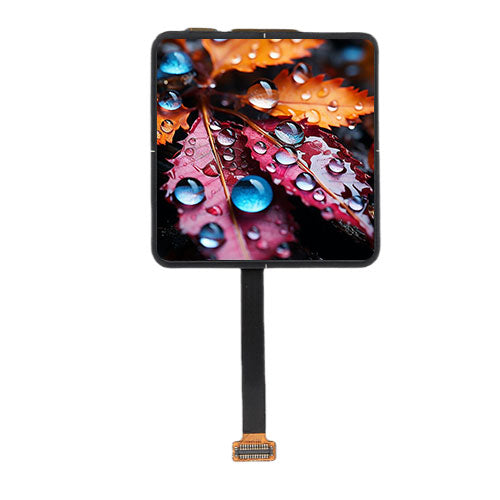
Tailor AMOLED dimensions and shapes (round, irregular, flexible/foldable) for wearables, phones, or industrial devices. Adjust form factors to match product design needs.
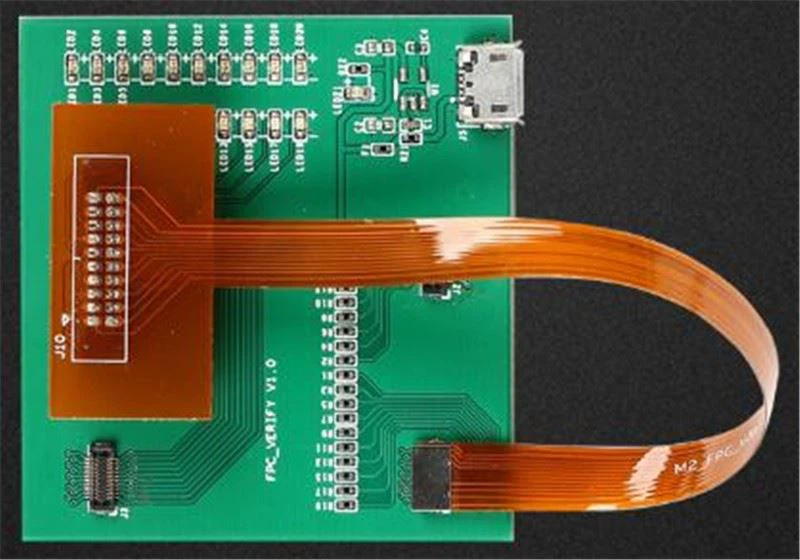
Resolution & Pixel Optimization
Offer HD to 4K+ resolutions and pixel densities for clarity. Enhance color accuracy and contrast for premium smartphones, tablets, VR/AR, and high-end displays.
Interface & Driver Integration
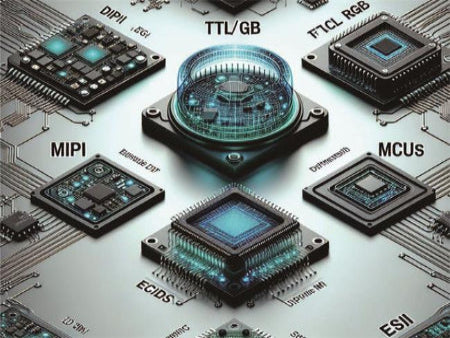
Configure MIPI DSI/LVDS interfaces and driver ICs for seamless hardware compatibility. Add capacitive touch support for mobile, automotive, or industrial systems.
Optical & Durability Enhancements
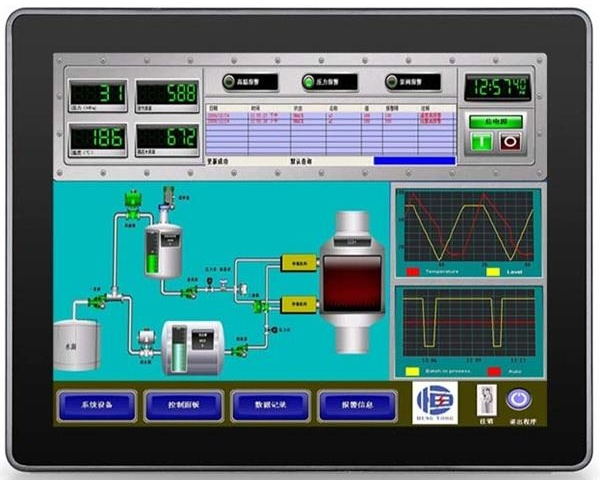
Add anti-glare coatings, higher brightness, and IP-rated protection. Optimize for extreme temperatures, ensuring durability in outdoor, military, or harsh environments.
FAQ
Questions about OLED Displays
1. What factors affect the cost of a custom OLED?
- Size & complexity: Larger or flexible designs increase costs.
- Resolution/pixel density: Higher specs (e.g., 4K) require advanced manufacturing.
- Material quality: High-end materials (e.g., anti-glare coatings) add to pricing.
- Minimum order quantity (MOQ): Smaller batches may incur higher per-unit costs.
2. How long does it take to produce a custom OLED?
- Lead time: Typically 4–8 weeks after design approval, depending on complexity.
- Prototyping: Sample production takes 2–3 weeks for verification.
- Mass production: Delays may occur for high-volume orders or specialized components.
3. Can I request a flexible or foldable OLED?
- Yes, but with limitations:
- Flexibility: Curved designs require specialized substrates (e.g., polyimide).
- Durability: Foldable OLEDs need reinforced layers to prevent cracking.
- Cost: Flexible/foldable options are 20–50% more expensive than rigid panels.
4.How is the reliability of custom OLEDs tested?
- Key tests:
- Lifetime testing: Accelerated aging (e.g., 85°C/85% RH for 1,000 hours).
- Mechanical stress: Flexibility/folding endurance (100,000+ cycles for foldables).
- Environmental resistance: UV exposure, humidity, and thermal shock testing.
- Performance metrics:
- Luminance retention: >90% brightness after 10,000 hours.
- Color stability: Delta E < 3 for consistent color accuracy.
- Supplier accountability: Reputable manufacturers provide test reports and warranties (e.g., 2–5 years).
5.What industries benefit most from custom OLEDs?
- Consumer electronics: Smartphones, wearables, tablets.
- Industrial/medical: Control panels, diagnostic displays.
- Automotive: Dashboard screens, infotainment systems.
- Retail/entertainment: Digital signage, AR/VR headsets.