
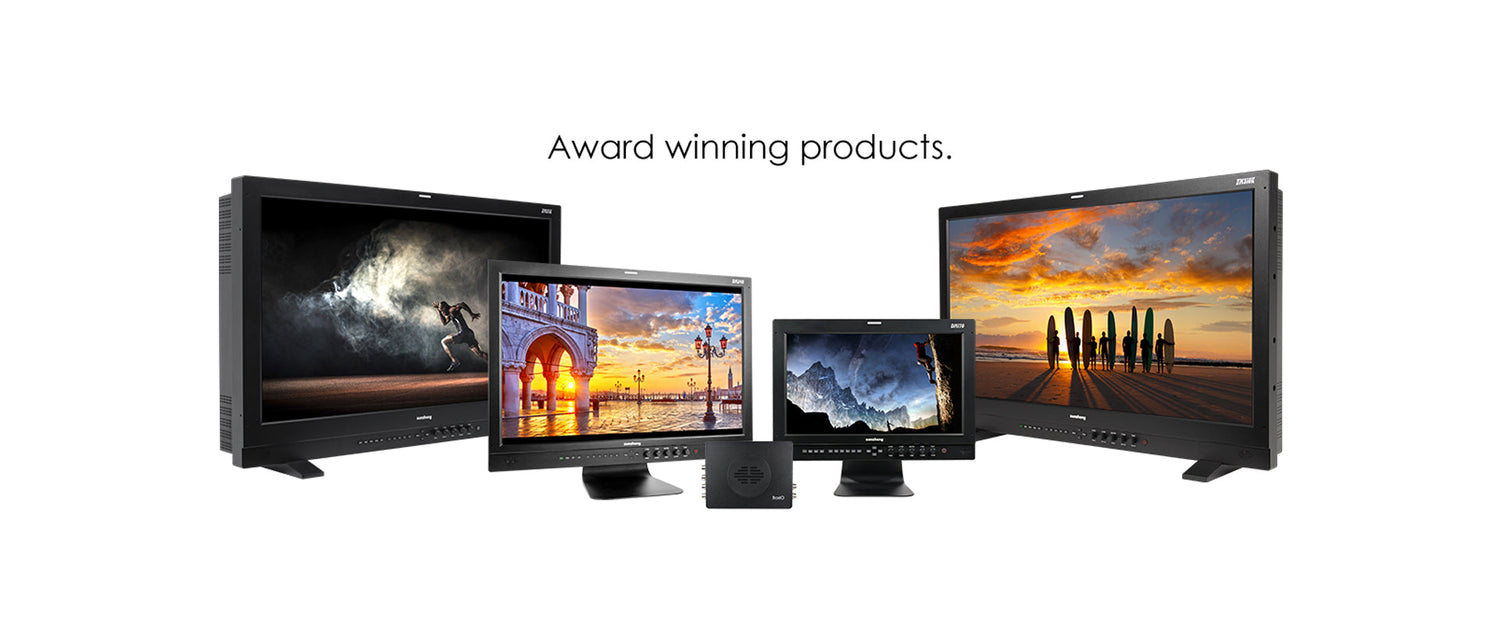
Portable TV Guide
A complete overview of portable TVs covering definition, portability, display technology, connectivity, home and outdoor use, emergency scenarios, car entertainment, and buying advice.

What is a Portable TV?
Definition of Portable TV
A portable TV is a small and lightweight television device designed for flexible use in different environments. Compared with traditional fixed televisions, portable TVs are easier to move and often include built-in batteries, compact screen sizes, and multiple connectivity options.
Design Purpose and Main Uses
The main purpose of a portable TV is to support flexible entertainment and information access across different situations.
- Home entertainment: portable TVs can be used in bedrooms, kitchens, and other secondary spaces in the home.
- Outdoor activities: they can provide entertainment during camping, picnics, and similar activities.
- Emergency situations: battery-powered operation can help during outages or urgent situations.
- In-car entertainment: some models can be used in vehicles with car power adapters.
Because of this flexibility, portable TVs are often chosen as multifunction entertainment products for modern lifestyles.

Key Features and Characteristics of a Portable TV
Portability
1. Lightweight design: many portable TVs are designed to be easy to carry from one location to another, whether inside the home or during travel.
2. Built-in battery and battery life: higher-quality models often include rechargeable lithium batteries that support several hours of use between charges.
3. Size and weight: common portable TV sizes are compact enough for bedrooms, kitchens, travel, and temporary setups.
These portability features make portable TVs useful for users who want a display that can move with them rather than remain fixed in one location.

Display Technology of Portable TV
Advantages of TFT LCD Technology
TFT LCD technology is widely used in portable TVs and offers several practical advantages:
- High brightness: useful for visibility in brighter viewing conditions.
- Low power consumption: important for battery-powered devices.
- Good color performance: suitable for general video and entertainment content.

Screen Resolution, Brightness, and Contrast
Portable TVs differ in resolution, brightness, and contrast, and these factors directly affect the user experience.
- Screen resolution: higher resolution improves image detail and overall clarity.
- Brightness: higher-brightness screens can be easier to view in strong ambient light.
- Contrast ratio: stronger contrast helps produce deeper black and more visible image layering.

Viewing Angle and Color Performance
Viewing angle and color stability are important display-quality factors for portable TVs.
- Viewing angle: some higher-quality portable TVs use panel types that maintain clearer images from wider side angles.
- Color performance: stronger panel quality helps preserve color consistency in different lighting conditions.
By using improved display technology, portable TVs can support better visual performance in both indoor and outdoor settings.

Portable TV Connectivity
Interface Types
Portable TVs can include multiple connection types to improve compatibility with different devices.
- HDMI: useful for connecting gaming consoles, media players, and other video sources.
- USB: useful for media playback, storage access, and in some cases firmware updates.
- SD card slot: useful for directly viewing content stored on memory cards.

Wireless Connectivity Features
Many modern portable TVs also support wireless functions.
- Wi-Fi: enables internet-based content access and may support streaming or screen mirroring features.
- Bluetooth: enables wireless connection to headphones, speakers, or other accessories.

Compatibility
Portable TVs are often compatible with a broad range of devices.
- Gaming consoles: often connected through HDMI.
- DVD or Blu-ray players: supported by certain input options.
- Smartphones and tablets: in some cases supported through casting or mirroring.
- Laptops and computers: may be used as a secondary display in certain setups.

Home Entertainment
Bedroom and Kitchen Use
Portable TVs can be useful in bedrooms and kitchens because they are easy to move and do not require a permanent installation in every space.
- Ease of movement: easy to relocate from room to room.
- High-quality viewing experience: many models support good picture and sound performance for personal viewing.
- Wireless connectivity: some units support internet content and streaming use.

Advantages as a Second TV
Using a portable TV as a second television provides more flexibility inside the home.
- More viewing options: supports separate viewing needs for different family members.
- Supplementary entertainment device: useful during gatherings or multi-room use.
- Versatility and ease of use: especially practical for homes that want a flexible extra display.

Outdoor Activities
Camping and Picnics
Portable TVs can support outdoor entertainment in settings such as camping trips and picnics.
- Entertainment on the go: enables viewing outside the home.
- Easy to transport: compact size improves portability.
- Battery operated: useful where no direct wall power is available.

Travel Use Experience
Portable TVs can also improve travel convenience.
- In-car entertainment: useful for passengers during longer journeys.
- Hotel room entertainment: offers more personalized viewing options while traveling.
- Compact and lightweight: easier to pack into luggage than larger screens.
Emergency Use
Use During Power Outages
Battery-powered portable TVs can be useful during outages.
- Stay informed: helps users access updates and information.
- Entertainment: can reduce stress during extended interruptions.
Role During Disasters
Portable TVs can also help during broader emergency situations.
- Information access: useful for receiving urgent updates and instructions.
- Communication support: may remain helpful when other information channels are limited.
Including a portable TV in an emergency preparedness setup can improve access to information and general resilience.

Car Entertainment
Long-Distance Travel Use
Portable TVs can enhance long road trips for passengers.
- Passenger entertainment: especially useful for families traveling with children.
- Variety of content: supports movies, shows, and other media.
- Breaks monotony: helps make long trips feel shorter.
- Educational content: can also support learning or child-focused programming.
In-Car Installation and Power Options
There are multiple ways to install and power portable TVs in vehicles.
- Mounting options: common approaches include headrest mounting, dashboard mounting, and in some vehicles ceiling-style placement.
- Power solutions: common options include car charger adapters, internal batteries, and inverter-based power setups.
Careful installation helps ensure both safety and usability during travel.

Portable TV Buying Guide
When selecting a portable TV, focusing on overall value helps balance portability, performance, and cost.
Key Factors for Value for Money
- Screen size and resolution: should match the intended viewing distance and use case.
- Battery life and power options: important for travel and outdoor use.
- Multifunctionality: more input and output options often improve long-term usefulness.
- Signal reception: better antenna support can improve practical usability.
- Audio quality and portability: built-in speaker quality and manageable size both matter.
Recommended Brands
Several brands are often considered when comparing value-focused portable TVs.
Buying Tips
- Brand reputation and after-sales service: compare support quality and warranty expectations.
- User reviews: helpful for understanding practical daily use.
- Price comparison: comparing platforms can improve purchase value.
Conclusion
When choosing a portable TV, it is important to consider screen size, resolution, battery life, connectivity, portability, and use scenario. A good portable TV should match the user’s actual needs, whether for home use, travel, outdoor entertainment, car use, or emergency readiness.
By comparing features carefully, users can select a portable TV that delivers a strong balance of flexibility, convenience, and value.


Leave a comment
This site is protected by hCaptcha and the hCaptcha Privacy Policy and Terms of Service apply.