
Filters
4 products

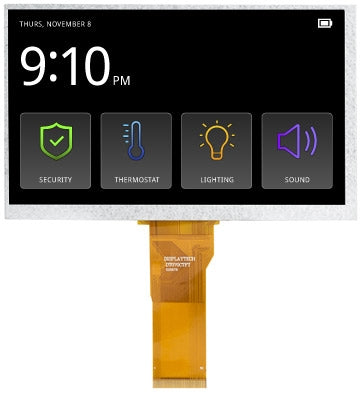
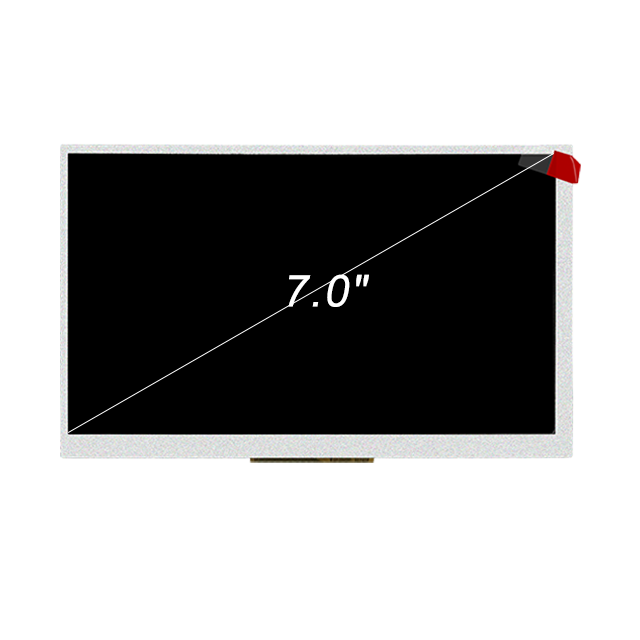
OLED Display Module Specifications
Wearable & Small Displays (0.95" - 2.06")
| Size | Resolution | Interface | Brightness (nits) | Main Application |
|---|---|---|---|---|
| 0.95 inch | 120 x 240 | SPI / I2C | 350 | Smart Band |
| 1.20 inch | 390 x 390 | MIPI / SPI | 400 | Smart Watch |
| 1.39 inch | 454 x 454 | MIPI | 450 | High-end Wearable |
| 1.50 inch | 128 x 128 | SPI | 300 | Medical Device |
| 2.06 inch | 410 x 502 | MIPI | 500 | Smart Watch / IoT |
Industrial & Handheld Displays (3.92" - 8.0")
| Size | Resolution | Interface | Brightness (nits) | Main Application |
|---|---|---|---|---|
| 3.92 inch | 1080 x 1200 | MIPI | 400 | VR / AR Headset |
| 5.00 inch | 1080 x 1920 | MIPI | 450 | Handheld Terminal |
| 5.50 inch | 1080 x 1920 | MIPI | 500 | Smart Home Control |
| 6.00 inch | 1440 x 2880 | MIPI | 450 | Industrial PDA |
| 7.00 inch | 1080 x 1920 | MIPI | 500 | Vertical Handheld Device |
| 7.00 inch | 1280 x 800 | LVDS | 450 | Industrial / Medical Monitor |
| 8.00 inch | 1200 x 1920 | MIPI | 500 | Tablet / Smart Panel |
IT & Laptop Displays (12.6" - 15.6")
| Size | Resolution | Interface | Brightness (nits) | Main Application |
|---|---|---|---|---|
| 12.6 inch | 2560 x 1600 | eDP | 400 | Premium Tablet |
| 13.3 inch | 1920 x 1080 | eDP | 400 | Ultrabook / Laptop |
| 14.0 inch | 2880 x 1800 | eDP | 500 | High-end Laptop |
| 15.6 inch | 3840 x 2160 | eDP | 400 | Portable Monitor / Laptop |
Contact Us
Do you have any question?
OLED DISPLAY
Blog posts
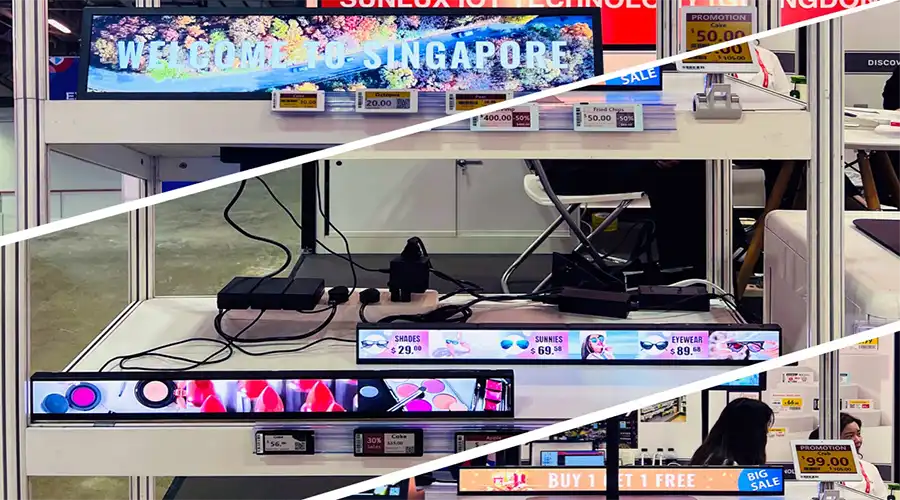
Why Stretched Bar LCD Displays Are Powering Smart Retail in 2026
Table of Contents 1. The Evolution of the Digital Shelf Edge 2. What ...
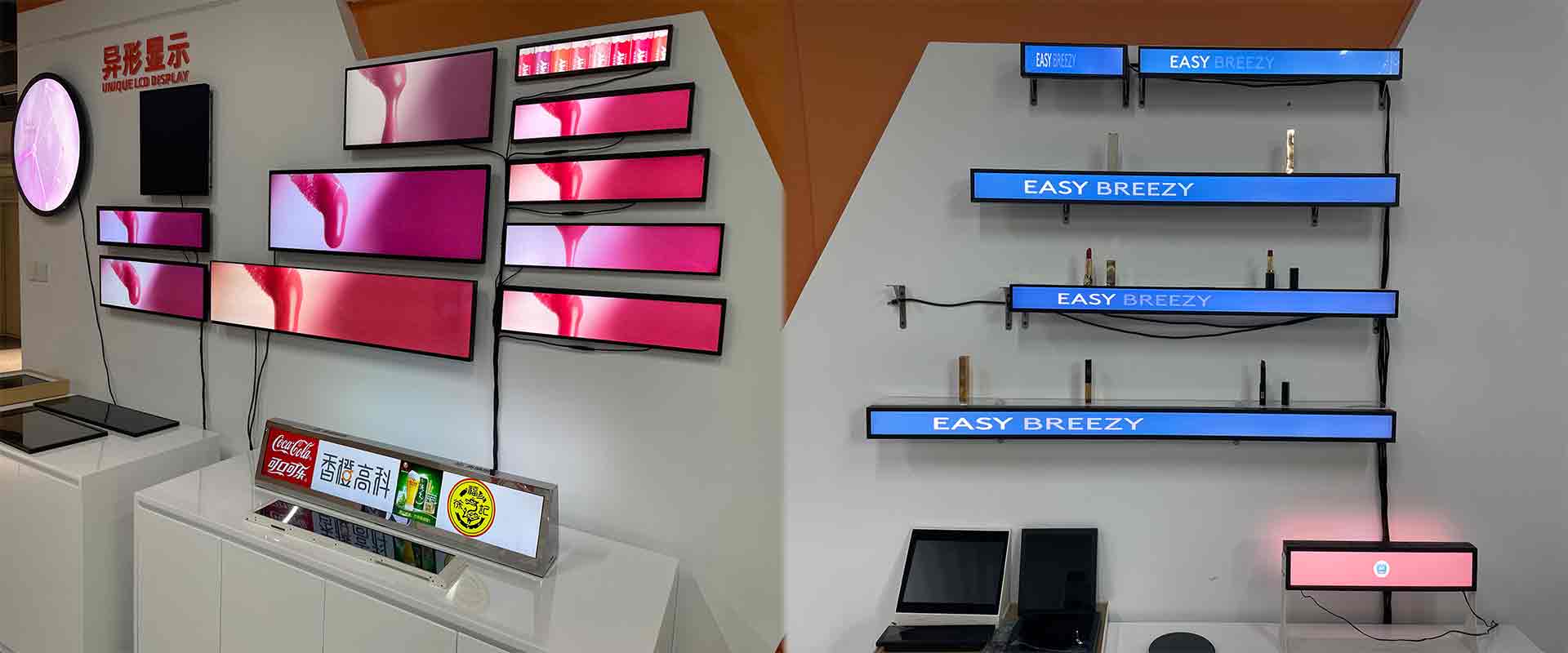
Bar LCD Display Modules: Key Parameters Engineers Must Know in 2026
Table of Contents 1. Defining the Technology: Terminology and Synonyms ...
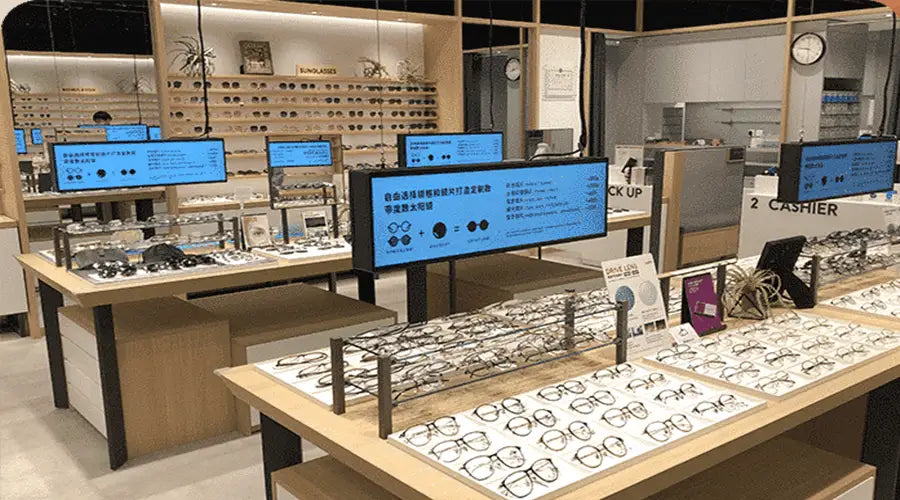
Table of Contents 1. Defining the Bar LCD Stretched Display 2. Engine...