
OLED and AMOLED Display Innovations
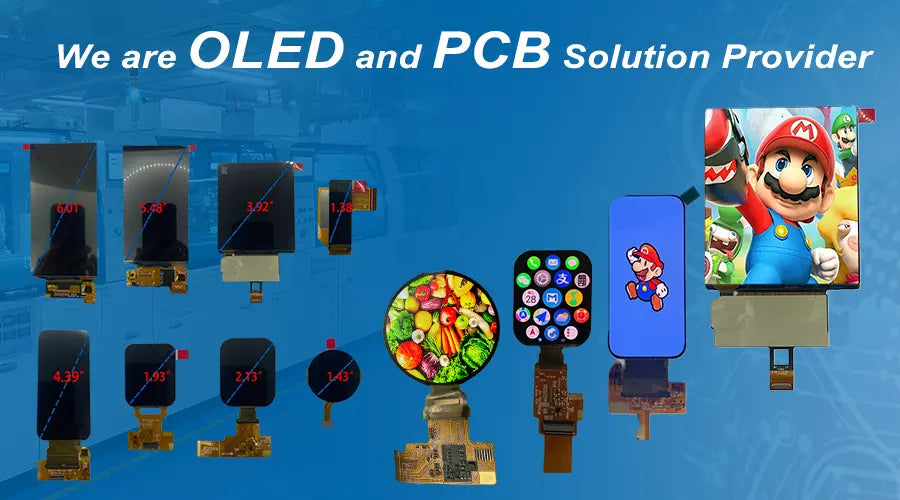
An overview of AMOLED display sizes from 1.38 inches to 6.01 inches, including product positioning, technical specifications, application scenarios, and handling guidance.
Introduction
Welcome to this product overview covering a range of AMOLED displays from 1.38 inches to 6.01 inches. These OLED and AMOLED display panels are designed to support strong visual performance in areas such as resolution, color quality, contrast, and energy efficiency.
This article introduces the main features, technical positioning, and application scenarios of each display size. Whether the target product is a wearable device, consumer electronic product, medical system, or automotive interface, different AMOLED sizes can support different design requirements.
Different applications require different display priorities, which is why a broad size range is valuable. Some products need compact size and low power behavior, while others require larger active area, higher resolution, and more immersive presentation. This lineup is structured to support those different use cases.
As demand for higher-quality displays continues to grow across consumer, industrial, and professional markets, OLED and AMOLED solutions remain attractive because they combine strong image quality with flexible product design opportunities.
Product Overview
1.38 Inch AMOLED Display
The 1.38 inch AMOLED display is well suited for smartwatches and fitness trackers. Its compact size makes it ideal for wearable products where space is limited but visual quality still matters. Support for QSPI, SPI, and dual SPI helps simplify integration into compact embedded systems.

1.43 Inch AMOLED Display
The 1.43 inch AMOLED display is another wearable-oriented solution designed for compact products that require clear visuals and efficient integration. It is suitable for small-screen interfaces where readability, color performance, and brightness are all important.

2.06 Inch AMOLED Display
The 2.06 inch AMOLED display is more versatile and can fit both consumer and industrial handheld applications. Its size and resolution make it useful for portable devices, compact information terminals, and other products that need a higher-information UI in a relatively small format.

3.92 Inch AMOLED Display
The 3.92 inch AMOLED display is suitable for smartphones, tablets, and other products where a larger visual area is needed. It supports sharper graphics and a more immersive interface while remaining compact enough for portable products.

4.39 Inch AMOLED Display
The 4.39 inch AMOLED display is positioned for premium portable devices that need stronger resolution and image quality. It is a good fit for high-end smartphones, compact media devices, and similar products where visual fidelity is a priority.

5.48 Inch AMOLED Display
The 5.48 inch AMOLED display is a strong option for tablets, gaming devices, and larger portable systems. It supports more content on screen and is appropriate where both resolution and screen area contribute to the user experience.

6.01 Inch AMOLED Display
The 6.01 inch AMOLED display is the largest option in this lineup and is designed for flagship-style smartphones and large-format portable displays. It is intended for applications where high resolution, larger active area, and visually rich presentation are essential.

Technical Specifications
1.38 Inch Specifications
The 1.38 inch AMOLED display features a compact resolution profile suitable for small wearable interfaces. It supports QSPI, SPI, and dual SPI connectivity, and it is designed for use in products requiring compact integration and strong visual contrast.
1.43 Inch Specifications
This 1.43 inch OLED display is designed for compact wearable applications and supports QSPI and SPI interfaces. It offers high brightness and strong contrast for improved readability in different lighting conditions.
2.06 Inch Specifications
The 2.06 inch AMOLED display is designed for handheld devices and supports MIPI DSI interfaces. Its visual performance and resolution make it useful for compact devices that need a richer graphical UI.
3.92 Inch Specifications
This 3.92 inch OLED display supports smartphone and tablet-style applications. It is suitable for designs that need stronger contrast, better image density, and broader visual presentation.
4.39 Inch Specifications
The 4.39 inch AMOLED display is positioned for higher-end portable products. It offers stronger resolution and image quality, making it appropriate for products where color and clarity are key considerations.
5.48 Inch Specifications
This 5.48 inch OLED display is designed for larger portable electronics such as tablets and gaming devices. It supports MIPI DSI and provides a strong balance of screen size and visual detail.
6.01 Inch Specifications
The 6.01 inch AMOLED display is designed for large-format smartphone and display applications. It supports high resolution and strong overall visual performance for premium product concepts.
Application Scenarios
Smartwatches and Fitness Trackers
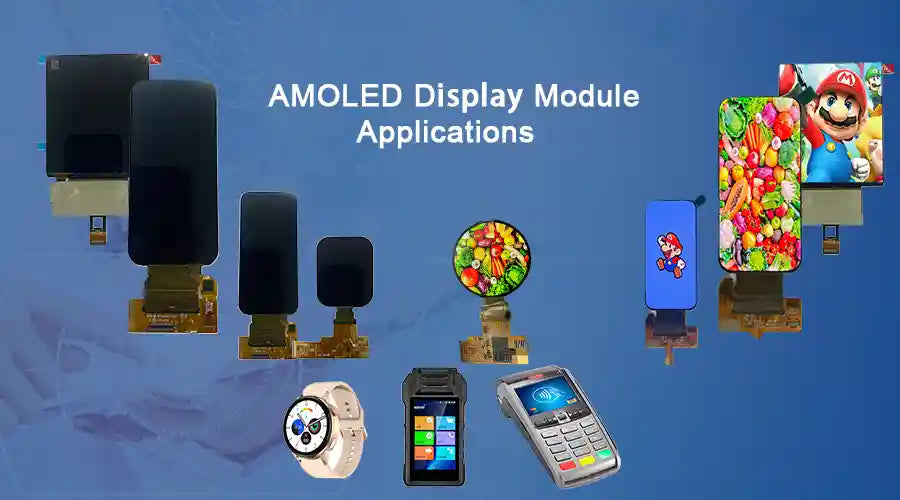
The 1.38 inch and 1.43 inch AMOLED displays are especially suitable for wearable devices. Their compact format, strong contrast, and low-profile integration make them a good fit for smartwatches, health trackers, and other compact personal electronics.
Consumer Electronics
Display sizes from 2.06 inches to 6.01 inches can support a broad range of consumer electronics, including smartphones, portable media products, gaming devices, and compact tablets. These displays are suitable where high visual quality and responsive UI behavior are required.
Automotive Infotainment Systems
The larger 5.48 inch and 6.01 inch AMOLED displays are suitable for automotive infotainment and digital cockpit applications. Their size, viewing performance, and image quality support dashboard screens, navigation interfaces, and passenger information displays.
Medical Devices
These OLED display panels can also be used in medical devices where image clarity, compact integration, and consistent visual presentation are important. Potential uses include portable monitoring equipment and diagnostic display systems.
Handling Precautions
Cleaning and Maintenance
To maintain long-term performance, avoid mechanical shock, strong pressure, and improper cleaning methods. Use a soft dry cloth for routine cleaning, and only use suitable approved cleaning materials when necessary.
Static Electricity Prevention
AMOLED modules should be handled carefully to reduce the risk of electrostatic damage. Proper grounding, anti-static tools, and careful handling during assembly are important for protecting sensitive electronic structures.
Environmental Considerations
These OLED display panels should be used and stored within the specified environmental ranges. Exposure to excessive temperature, humidity, or unsuitable storage conditions may affect display performance and long-term reliability.
Conclusion
This AMOLED display lineup, covering sizes from 1.38 inches to 6.01 inches, provides a wide range of solutions for wearable devices, consumer electronics, automotive systems, and medical products. Each size is positioned to support different integration needs, resolution targets, and user experience goals.
Whether the requirement is a compact wearable screen or a larger premium display, OLED and AMOLED technologies offer strong visual performance, design flexibility, and product differentiation potential.
From concept development to production support, the right display selection can improve both product appearance and user experience. If you need assistance with integration, customization, or technical evaluation, contact us to discuss the best solution for your project.
Video


Leave a comment
This site is protected by hCaptcha and the hCaptcha Privacy Policy and Terms of Service apply.