
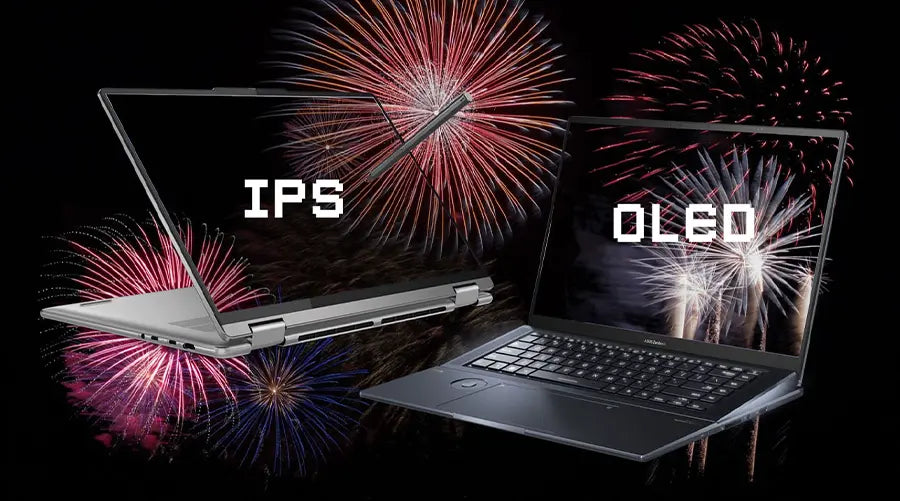
OLED vs IPS Display
A clear comparison of OLED and IPS display technologies for monitors, laptops, advertising screens, and industrial applications.
Introduction
Choosing the right display technology is important for monitors, laptops, advertising screens, and industrial products. Two of the most common options are OLED and IPS LCD. Each technology has different strengths, limitations, and use cases, so understanding the differences helps buyers select the right panel for the actual product requirement.
What is OLED Display?
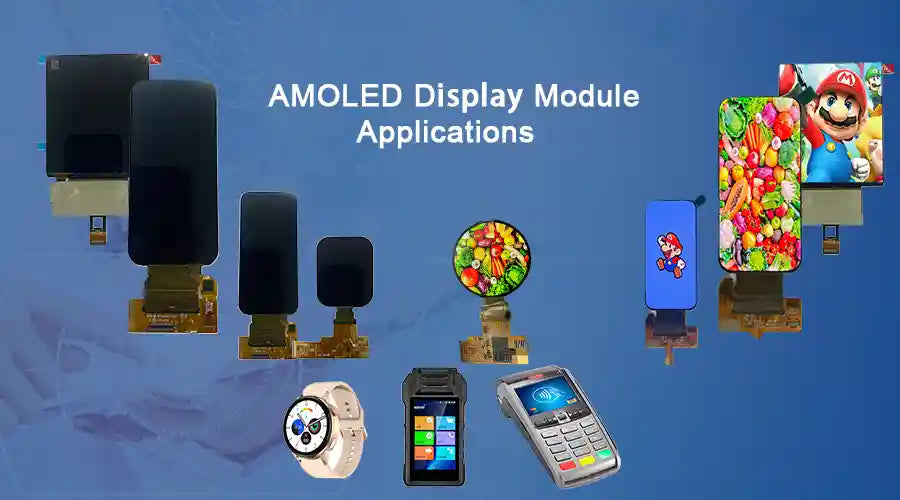
OLED displays use organic materials that emit light when current passes through them. Because every pixel can generate its own light, OLED panels do not require a separate backlight. This allows true black, strong contrast, vivid color presentation, and thinner panel structures compared with conventional LCD designs.
Key features of OLED:
- Self-emissive pixels with no backlight
- True black and very high contrast
- Fast response time for motion-heavy content
- Thin and lightweight structure with flexible design potential
- Efficient power behavior in dark UI conditions

What is IPS Display?
IPS is a type of LCD panel technology known for strong color consistency and wide viewing angles. Unlike OLED, IPS requires a backlight. It controls transmitted light through liquid crystal alignment, and it is widely used in monitors, laptops, industrial equipment, and many mainstream display applications.
Key features of IPS:
- Good color reproduction and consistency
- Wide viewing angles
- No permanent burn-in risk in the way OLED panels may face
- Stable long-term behavior in many applications
- Cost-effective for larger-scale deployment

Key Differences Between OLED and IPS
| Feature | OLED | IPS |
|---|---|---|
| Backlight | No, self-emissive | Yes, required |
| Contrast Ratio | Very high with true black | Lower than OLED because of backlight structure |
| Viewing Angles | Excellent | Very good |
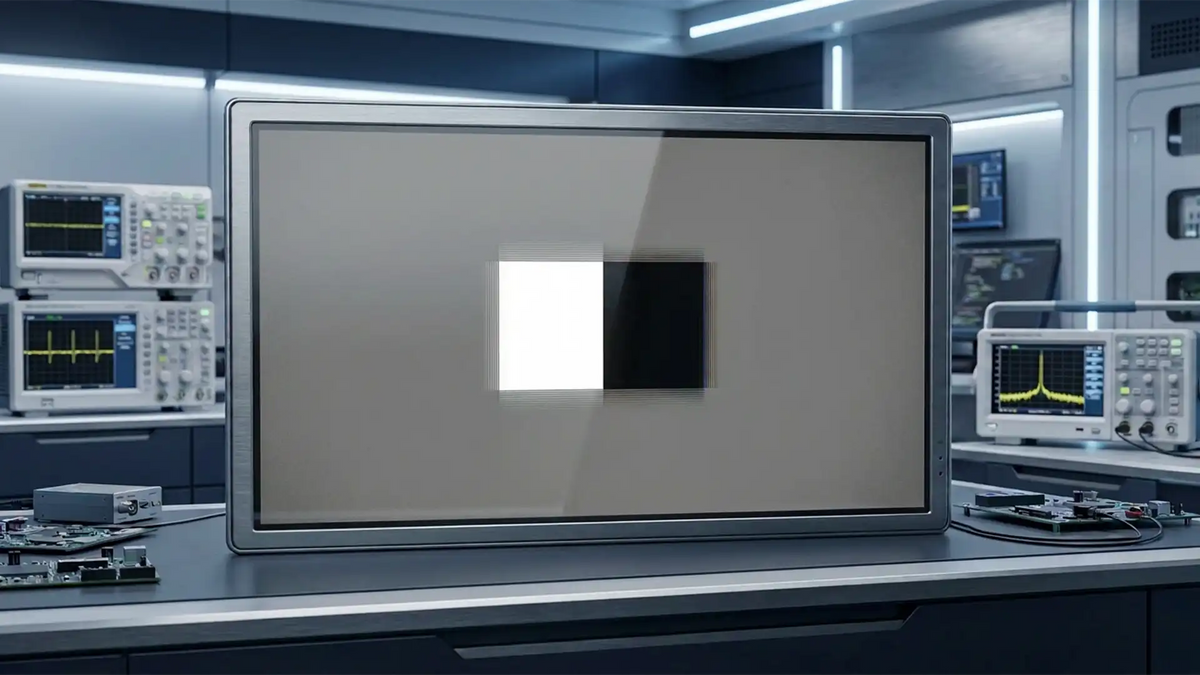
| Response Time | Very fast | Typically slower than OLED |
| Panel Thickness | Can be thinner | Usually thicker because of backlight layers |
| Lifespan and Burn-in | Static-content aging risk exists | No OLED-style burn-in concern |
| Price | Usually higher | Usually more affordable |
Advantages of OLED
- Very high contrast with true black levels
- Rich and vibrant visual performance
- Fast response time for video and motion content
- Thin and lightweight structure
- Potential power savings in dark-content use cases
Advantages of IPS
- Strong color consistency across wide viewing angles
- No OLED-style burn-in issue
- Reliable for long operating periods
- Often performs well in bright environments depending on backlight design
- Lower total cost for many business deployments
Applications of OLED and IPS Displays
OLED Applications
- Premium monitors for design, content creation, and gaming
- Digital signage with strong visual impact
- High-end laptops and portable devices
- Medical systems where contrast matters
- Industrial HMIs where thin form factor is valued
IPS Applications
- Office monitors and enterprise laptops
- Professional color-managed workflows
- Education displays
- Industrial control interfaces with long service expectations
- Cost-sensitive kiosk and information-display deployments
Which Display is Better?
The better option depends on the application and product priority.
Choose OLED if: the goal is higher visual impact, deeper black, faster response, and a more premium display structure.
Choose IPS if: the goal is stable long-term operation, cost efficiency, color consistency, and lower burn-in risk.
For businesses offering display modules, custom LCD solutions, or industrial screens, this comparison can help guide customers toward the right technical choice.

Frequently Asked Questions
What does OLED stand for?
OLED stands for Organic Light Emitting Diode. Each pixel emits its own light, so the panel does not need a backlight.
Do OLED displays have burn-in issues?
They can. Long-term display of static elements may lead to image retention or uneven aging over time.
Is OLED better than IPS for advertising screens?
It can be better for premium visual impact, especially when contrast and vivid presentation are priorities. The best choice still depends on budget, installation environment, and operating pattern.
Which is better for color-critical work?
IPS is still widely used for color-critical work because of its stable and predictable performance. OLED can also perform very well, but workflow requirements and calibration practices matter.
Are IPS displays still relevant?
Yes. IPS remains a practical and widely used solution because it balances performance, cost, and durability well.
Conclusion
Both OLED and IPS play important roles in the display market. OLED is strong in contrast, visual performance, and industrial design flexibility. IPS remains valuable for color consistency, operating reliability, and cost-effective deployment across many industries.
Understanding the difference between the two helps buyers choose the right display panel for the right use case. Whether the requirement is TFT LCD, OLED, or industrial display integration, matching the technology to the application improves product performance and user experience.
Video


Hinterlasse einen Kommentar
Diese Website ist durch hCaptcha geschützt und es gelten die allgemeinen Geschäftsbedingungen und Datenschutzbestimmungen von hCaptcha.