
OLED Technology Applications Guide
A comprehensive guide to how OLED technology is used in smartphones, TVs, wearables, AR and VR devices, automotive systems, medical equipment, professional monitors, and smart environments.
Organic Light-Emitting Diode (OLED) technology has transformed the display industry by enabling thinner, more efficient, and visually stronger screens across a wide range of products. Unlike traditional LCD structures that rely on a backlight, OLED pixels emit their own light, which allows true black, very high contrast, and fast response behavior.
This guide explores the major applications of OLED technology in consumer electronics, automotive systems, medical devices, AR and VR headsets, and emerging smart-device categories. It also covers technical advantages, practical use cases, and future industry directions.
OLED in Consumer Electronics
OLED has become a preferred technology in premium consumer electronics because it combines strong image quality, efficient dark-scene power behavior, and flexible product design possibilities.
Smartphones and Tablets

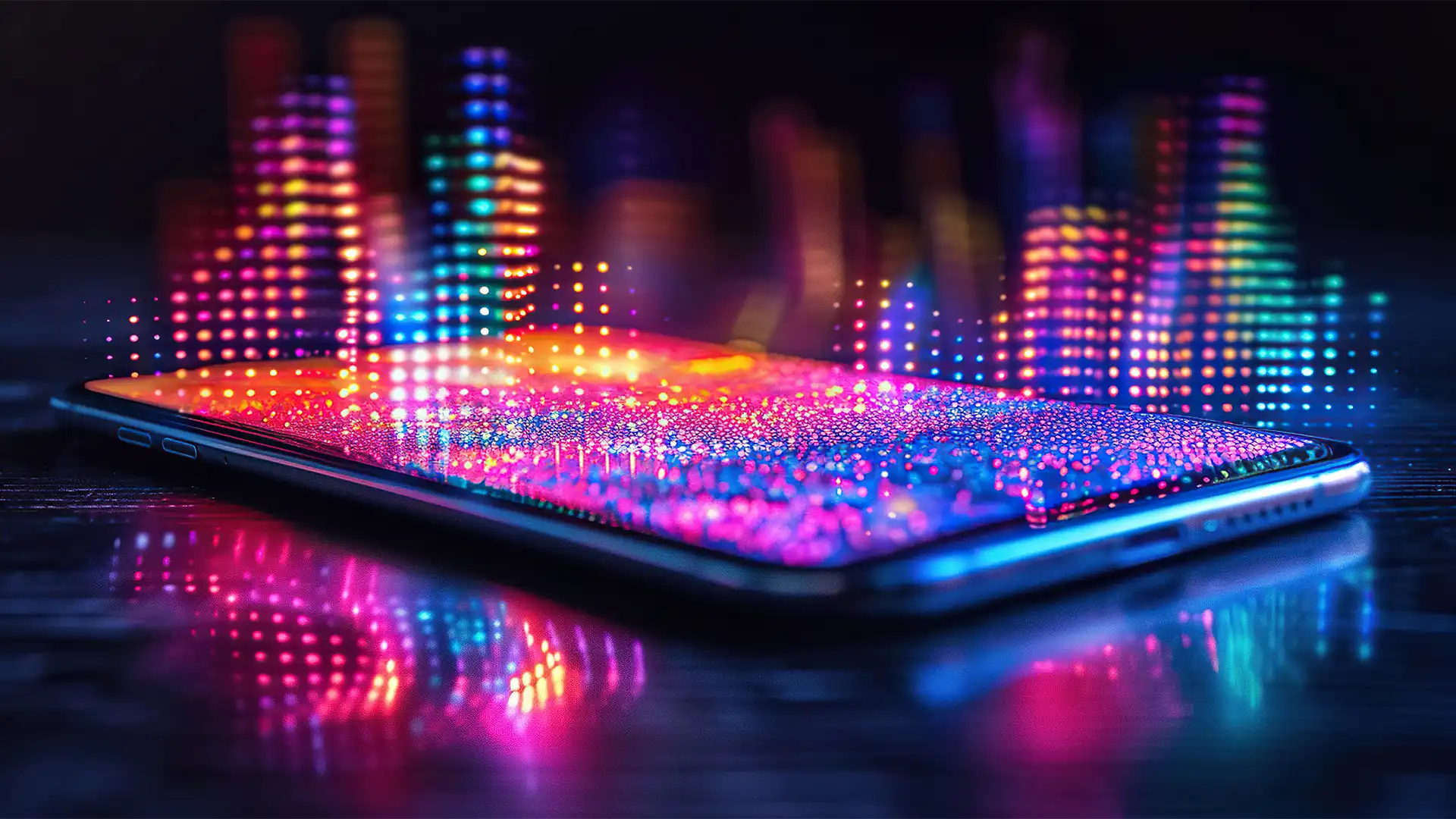
Figure 1: OLED display in a flagship smartphone offers deep black and vivid color performance.
Premium smartphones widely use OLED panels because they provide strong contrast, dark-mode power advantages, thinner border design options, and support for high refresh rates. Flexible OLED substrates also help enable foldable and curved smartphone designs.
- High contrast and deep black
- Power benefits in dark UI environments
- Thin bezels and more flexible industrial design
- Smooth motion with high refresh support
Televisions and Home Entertainment

Figure 2: OLED TV delivering strong black performance and cinematic visual quality.
OLED TVs are widely valued for their pixel-level light control, broad color performance, HDR compatibility, and very fast response behavior. These characteristics make them attractive for both film viewing and gaming applications.
- Pixel-level dimming for deep black
- Wide color performance
- HDR-focused viewing experience
- Fast response for gaming and motion clarity
OLED in Wearable Devices
The thin profile and power-efficient behavior of OLED make it especially well suited for wearable products where size, readability, and battery life are all important.
Smartwatches and Fitness Trackers

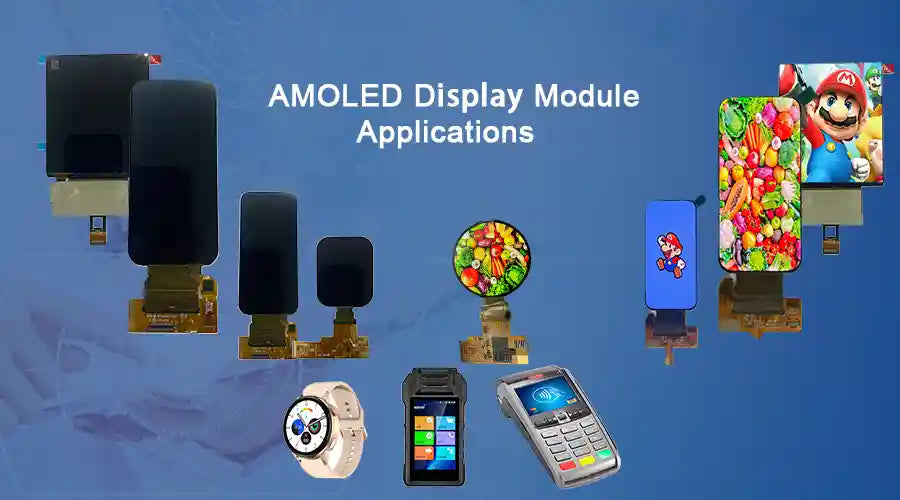
Figure 3: Smartwatch display using OLED for compact size and strong readability.
Smartwatches and fitness trackers benefit from OLED because the technology supports always-on display modes, compact mechanical design, and visually clear UI presentation in a very small form factor.
- Supports always-on interfaces
- Good readability in bright conditions depending on panel design
- Thin and lightweight structure
- Well suited for dynamic UI elements and animation
AR, VR Headsets, and Micro-OLED

Figure 4: Micro-OLED enables high pixel density and fast response for immersive near-eye systems.
Micro-OLED, also called silicon OLED in some contexts, is especially important in near-eye applications. Its high pixel density, fast response behavior, and compact structure make it suitable for AR and VR headsets where image clarity and low latency are critical.
- Very high pixel density
- Low motion blur
- Compact and power-conscious structure
- Well suited for immersive head-mounted systems
OLED in the Automotive Industry
Automotive manufacturers are increasingly interested in OLED because it offers strong visual performance, design flexibility, and the ability to support modern digital cockpit layouts.
Instrument Clusters and Infotainment

Figure 5: Curved OLED used in an automotive dashboard environment.
OLED is used in instrument clusters, center information displays, and passenger-facing screens because it supports high contrast, wide viewing performance, and more modern curved or integrated visual designs.
- Digital clusters with flexible layout design
- High-contrast infotainment screens
- Passenger display integration
- Fast response for navigation and alert rendering
Transparent and Flexible OLEDs in Vehicles

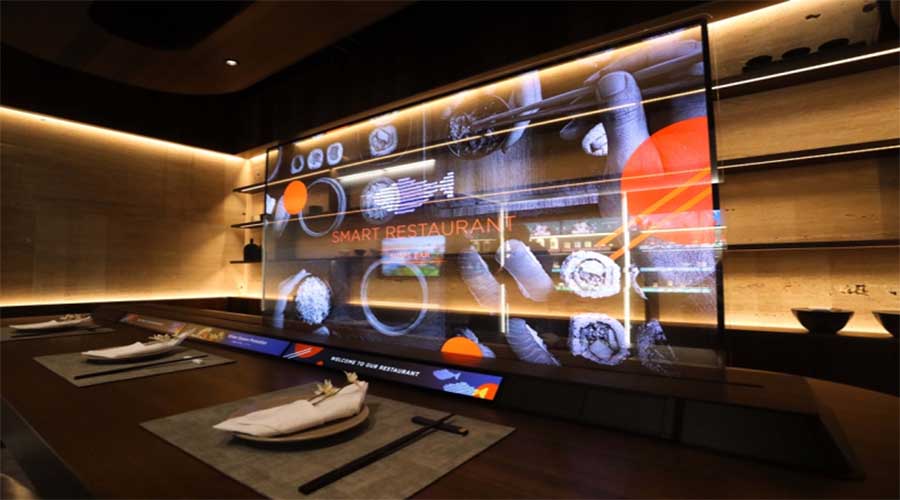
Figure 6: Transparent OLED concept used as a smart vehicle display surface.
Emerging automotive applications include transparent OLED for advanced visual surfaces, flexible OLED for shaped dashboards, and curved OLED for more seamless interior integration.
- Transparent information display concepts
- Flexible panel integration into interior surfaces
- Curved display design for advanced cockpit aesthetics
OLED in Medical Imaging and Diagnostics

Figure 7: OLED medical monitor used for image review in a clinical setting.
In healthcare-related applications, OLED may be used in radiology workstations, endoscopic systems, and portable medical devices where contrast and image detail are important. Deep black performance can help with certain viewing tasks, and thin module structure can support compact device design.
OLED for Broadcast and Professional Monitors

Figure 8: OLED reference monitor used in professional production.
Professional OLED monitors are widely used in broadcast, production, and on-set environments because they offer strong shadow detail, stable visual presentation, and fast response. These characteristics are valuable in color evaluation, content monitoring, and low-latency workflows.
- Color grading and reference viewing
- On-set image monitoring
- Low-latency live production workflows
Emerging Applications: Smart Homes and IoT
OLED is also expanding into smart-device ecosystems and ambient-display products.
- Smart mirrors with embedded visual layers
- Appliance displays for smart home products
- Wearable health patches with flexible readouts
- Architectural and decorative lighting concepts using large-area OLED
These applications benefit from OLED thinness, flexibility, and uniform light-emission characteristics.
Future Trends in OLED Technology
Next-generation OLED development includes tandem OLED structures, QD-OLED approaches, printed OLED manufacturing, and broader use of transparent and foldable designs. These innovations aim to improve brightness, color performance, cost structure, and product lifetime across multiple industries.
- Tandem OLED for improved brightness and lifetime
- QD-OLED for wider color performance
- Printed OLED for lower-cost larger-area manufacturing
- Transparent and foldable OLED for new interface possibilities
Conclusion
OLED is no longer limited to one product category. It is now a platform technology used across smartphones, TVs, wearables, automotive systems, medical equipment, professional monitors, and smart devices. Its value comes from the combination of thin structure, strong visual performance, fast response, and design flexibility.
As manufacturing improves and newer structures such as micro-OLED and tandem OLED continue to mature, OLED is expected to expand further in both consumer and industrial markets.
Looking to integrate OLED into your next product? Contact us for technical support, sample evaluation, and custom module design discussion.
Frequently Asked Questions
What is OLED and how does it work?
OLED stands for Organic Light-Emitting Diode. Each pixel contains organic emissive materials that produce light when current is applied, so the display does not need a separate backlight.
What are the main advantages of OLED technology?
Main advantages include true black, very high contrast, wide viewing angles, fast response time, thin panel structure, and support for flexible or transparent display designs.
Where is OLED technology commonly used?
OLED is used in smartphones, TVs, smartwatches, AR and VR headsets, automotive displays, medical equipment, professional monitors, and newer smart-environment devices.
Is OLED better than LED or LCD?
OLED is often better in black level, contrast, viewing angle, and response time. High-end LCD designs can still compete strongly in brightness, cost, and long-term static-use environments.
What is micro-OLED and why is it important for AR and VR?
Micro-OLED is a very high pixel-density OLED technology built for compact near-eye systems. It is important for AR and VR because it supports strong clarity, low blur, and compact optical design.
Can OLED screens get burn-in?
Yes, long-term display of static content can cause uneven aging or image retention. Modern mitigation methods help reduce the risk, and for many normal-use cases it is not a major practical issue.
What is the future of OLED technology?
Future development includes tandem OLED, QD-OLED, printed OLED, transparent displays, foldable products, and broader adoption in automotive, healthcare, and spatial-computing devices.
How long do OLED displays last?
OLED lifetime depends on brightness, usage pattern, materials, and thermal conditions. Modern panels have improved significantly, and ongoing material and structural advances continue to extend operating life.

Leave a comment
This site is protected by hCaptcha and the hCaptcha Privacy Policy and Terms of Service apply.