

TFT Display Technology Guide
A complete formatted article with fixed left-side table of contents, H2 and H3 navigation, and structured content for Shopify article pages.
Introduction
TFT LCD (Thin Film Transistor Liquid Crystal Display) technology revolutionizes the way we experience digital visuals by offering superior color, clarity, and efficiency. Central to this innovation is the use of thin film transistors, which act as individual switches for each pixel, rendering high-quality images with precise control over color and brightness. This in-depth exploration of TFT LCD technology delves into its foundation, advancements, and the broad spectrum of applications it has invigorated—from smartphones and tablets to high-definition televisions and beyond. As we delve into the mechanics and marvels of TFT LCD displays, we witness a confluence of engineering and artistry that shapes our visual engagement in the digital age.
TFT Display Module Technology Principle
In the evolving realm of display technologies, Thin Film Transistor (TFT) technology stands out as a pivotal innovation, driving the future of high-resolution, color-accurate, and energy-efficient screens. As we delve deeper into the intricacies of TFT displays, it is essential to recognize the sophistication of these systems that bridge the gap between electronic signals and the vivid images we see. The synergy between advanced materials, precise engineering, and cutting-edge semiconductor processes gives rise to the superior performance characteristics we have come to expect from modern displays. In this discussion, we endeavor to explore the fundamental aspects of TFT technology that enable such dynamic and lifelike visual experiences.
1. Electronic Control Mechanism of the TFT Layer: In each color pixel unit, the TFT acts as a field-effect transistor that modulates carrier concentration to control the voltage threshold. This precise voltage control mechanism allows for highly accurate management of the conductive state of the liquid crystal molecules, thereby achieving high precision in light intensity and color modulation of liquid crystal pixels.
2. Microstructure Design of Pixels and Sub-Pixels: The achievement of high PPI stems from microscopic control over the size of pixels and sub-pixels and the optical optimization between TFT transistors and color filters. By employing fine photolithography techniques to create minuscule TFT structures on glass substrates, more pixels can be integrated within a limited display area, thereby enhancing the delicacy of imaging.
3. Photoelectric Conversion and Color Rendering: For each pixel, the rearrangement of liquid crystal molecules under the electric field provided by the TFT affects the propagation direction of polarized light, thus controlling the transmission rates of different color spectrum components. This process, coupled with RGB color filters located behind the liquid crystal layer, accurately controls the transmittance of red, green, and blue sub-pixels to achieve precise reproduction and grayscale rendering of a wide color space.
4. Response Time and Dynamic Refresh Technology: Optimization of the TFT-LCD response time benefits from increased rearrangement speed of liquid crystal molecules and enhanced switching speed of the TFT. Together with high-frequency drive circuit design, faster screen refresh rates can be achieved, significantly reducing motion blur and afterimages, thereby making dynamic image presentation smoother.
5. Advanced Liquid Crystal Phase Modulation Technology: The adoption of advanced liquid crystal alignment technologies, such as MVA and IPS, improves the viewing angle dependence of TFT liquid crystal displays. By controlling the directional distribution of liquid crystal molecules at the microscopic level, these technologies significantly enhance color consistency and contrast performance when viewed from edge angles.
6. Light Efficiency and Energy Management: TFT technology enhances light output while effectively managing power consumption through optimizing the optical design of backlight units, improving the conversion efficiency of LED light sources, and incorporating local dimming techniques. In presenting HDR content, these technologies can provide deeper blacks, brighter whites, and more detailed color nuances.
Through continuous technological advancements and innovations, TFT display technology has significantly improved in terms of providing high resolution, high color quality, fast response, and energy efficiency, thereby becoming a cornerstone technology in the field of electronic displays.
TFT Display Module Design Features

TFT display modules are integral to modern visual technology, combining advanced structural design with precision components to render high-fidelity imagery. Below is a detailed look at the design features that contribute to their effectiveness.
Physical Structure and Components:
1. Backlight: Typically comprised of LEDs, this foundational layer illuminates the entire module uniformly.
2. Lower Polarizing Film: Positioned over the backlight, it polarizes the backlight diffuse light into a single direction for better control.
3. TFT Panel: Also known as the active matrix panel, it forms the core of the pixel circuitry, with a thin-film transistor at each pixel for voltage control.
4. Liquid Crystal Layer: Above the TFT, the orientation of liquid crystal molecules changes with applied voltage, altering light passage.
5. Color Filter: This component separates white light into RGB at each pixel situated above the liquid crystal layer.
6. Upper Polarizing Film: The final layer filters the light coming through the color filter to permit only specific directions of light, creating the visible image.
Key Factors in Design:
1. Display Mode: The selected display mode determines the aspect ratio and maximum resolution, to meet diverse resolution needs like FHD, QHD, or UHD.
2. Viewing Angle: TFT modules offer wide viewing angles, helping maintain consistency in color and clarity from different perspectives.
3. Size and Resolution: The module size and pixel count define the clarity and level of detail in the images projected.
4. Refresh Rate: The refresh rate indicates how many times the screen updates per second, critical for smooth motion sequences in videos and games.
5. Contrast and Brightness: Contrast ratio denotes the luminance difference between the brightest and darkest parts of the screen, while brightness impacts visibility under varying light conditions.
6. Interface Type: TFT modules are compatible with several interfaces including MIPI, TTL/RGB, MCU, LVDS, SPI, and EDP to cater to the connectivity needs of various devices.
By precision tuning and optimizing these elements, TFT display modules deliver exceptional visual performance. Attributes like definition, color accuracy, expansive viewing angles, and response speed are crucial for enhancing user experience across daily and professional domains.

TFT Technology Development History
The development of TFT technology, a crucial component of advancements in LCD technologies, spans from the late 1980s through to the present day and can be distinguished by several key phases:
1. Early Development and Origins: The inception of TFT technology marked a revolutionary stride in LCD technology. TFT introduced active matrix addressing, significantly enhancing display quality and enabling high resolution, high contrast, and fast response times, especially for dynamic imagery.
2. Technology Maturation and Proliferation: As material science and semiconductor fabrication techniques evolved, TFT-LCD technology matured and became more cost-effective, increasingly making its way into the mass consumer market. The advent of LTPS TFT technology further enabled thinner, more power-efficient screens with higher resolutions, particularly in premium mobile devices.
3. Era of High-Definition and Large-Size Displays: During this phase, the rise of digital televisions and high-definition video content spurred TFT-LCD technology towards full HD and even higher resolutions. TFT also expanded into broader applications such as large TV screens and public displays.
4. Integration with OLED and Quantum Dot Technologies: Although initially designed for LCDs, TFT technology has also been applied to emerging display technologies such as OLED and QLED displays. The fusion of these newer technologies has brought superior contrast ratios, color saturation, and brightness to the display arena.
Key factors driving the advancement of TFT and related display technologies include the development of novel materials, advances in fabrication processes, optimization of integrated circuit designs, and increased attention to environmental sustainability.
In summary, the evolution of TFT technology reflects a sequence of technical breakthroughs and a broader transformation in the display technology sector.

Main Functions and Applications of TFT Display Modules
TFT Display Module Technology Features
1. High-Resolution Display: Each individual pixel is controlled by a separate transistor, allowing for a high level of detail and clear image display.
2. Integrated Touch Technology: Modern TFT displays can integrate touch technology, offering users a more intuitive way to interact, such as touch screens.
3. High Dynamic Range Support: Advanced TFT modules offer wider brightness and color representation, leading to superior image and video display quality.
4. 3D Display Capabilities: Some specific TFT display modules can provide immersive 3D viewing experiences.
Expansion of Technology in Application Fields
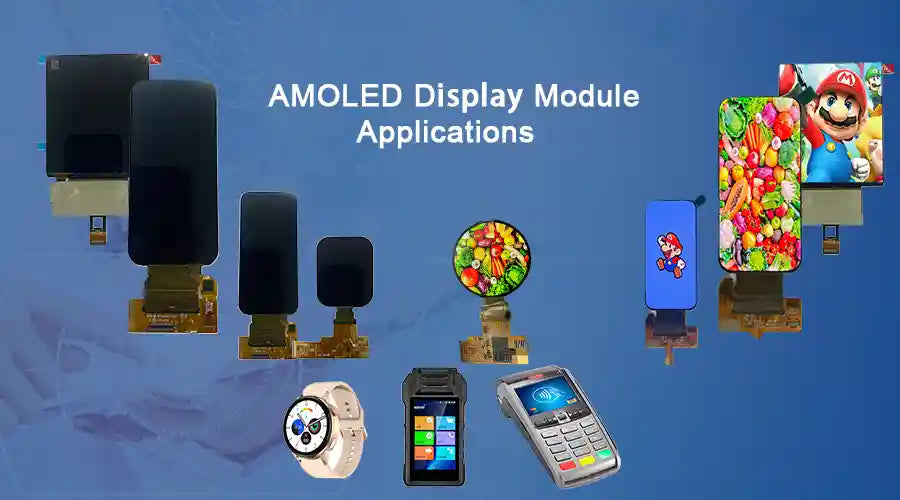
1. Consumer Electronics: TFT displays are key components in smartphones, tablets, and other personal electronics that require high picture quality and touch responsiveness.
2. Automotive Industry: TFT display modules are widely used in dashboard displays, center control screens, and in-car entertainment systems.
3. Medical Equipment: The high resolution and accurate color reproduction capabilities of TFT technology play a pivotal role in medical imaging equipment.
4. Industrial and Automation: In demanding industrial environments, the stability and reliability of TFT modules make them ideal for monitoring and control systems.
5. Aviation and Maritime Equipment: The high stability, brightness, and viewing angle of TFT display modules meet the strict display requirements of aerospace and ship control equipment.
6. Televisions and Monitors: TFT technology is a crucial component of modern television and monitor products, making possible high-definition imaging, wide viewing angles, and strong color performance.
TFT technology, with its excellent performance and powerful functions, continues to hold a major role in the electronic display field.

Comparison of TFT with Other Display Technologies
TFT Liquid Crystal Display Technology
Advantages:
- Relatively low cost, especially in mass production.
- Readable in bright environments, including some outdoor conditions.
- Long service life in many applications.
- Good color saturation and contrast with proper backlight and filter design.
Disadvantages:
- Requires a backlight, which can increase power consumption compared with self-emissive technologies.
- Generally thicker and heavier than OLED.
- Can have slower response times in some applications.

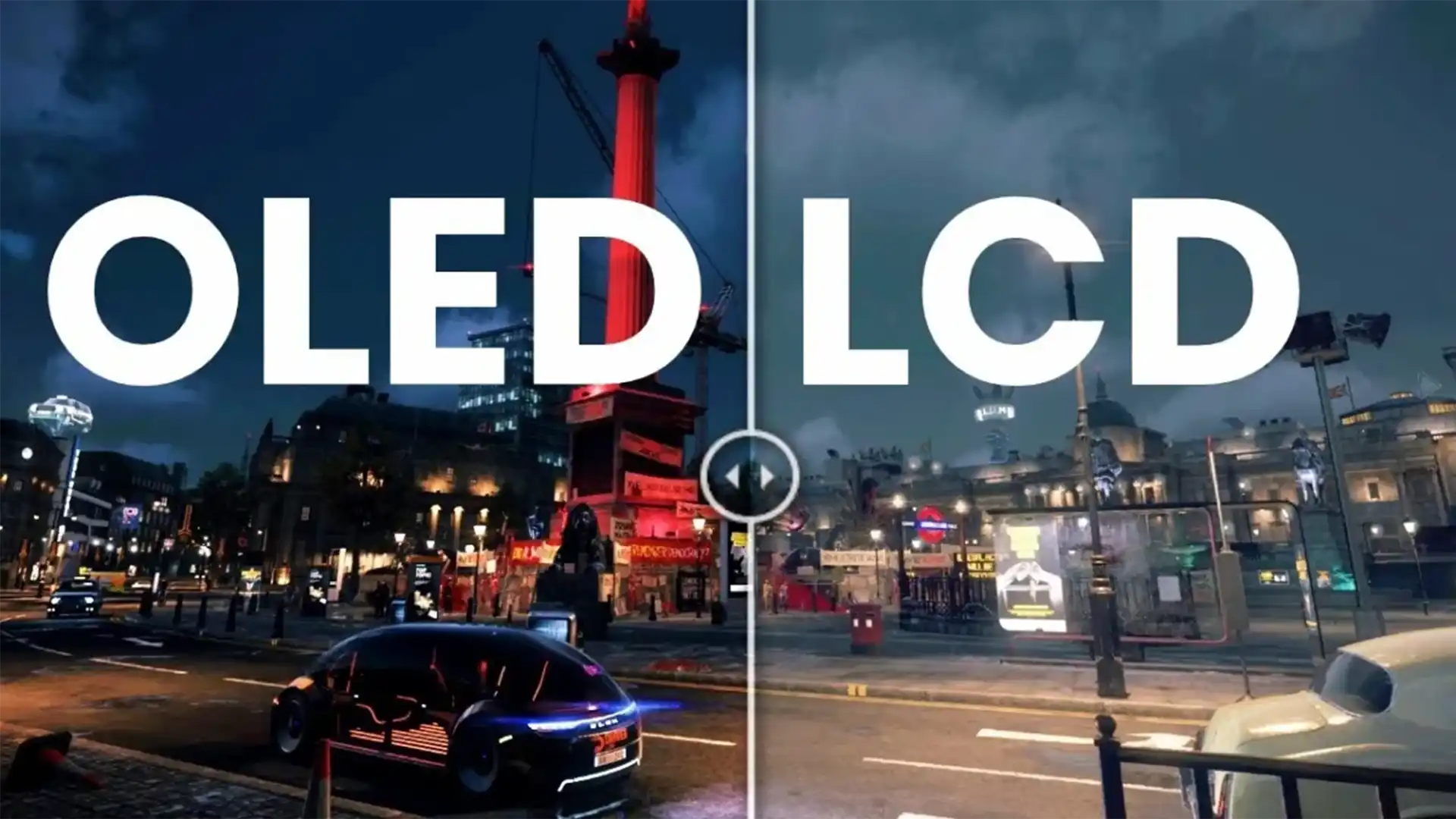
OLED Display Technology
Advantages:
- Self-emissive and does not require a backlight.
- Deep black levels and high contrast.
- Fast response speed for dynamic content.
- Wide viewing angle and vibrant image performance.
Disadvantages:
- Risk of burn-in in some long-term use cases.
- Higher manufacturing costs in many segments.
- Can be less ideal under very bright direct sunlight depending on implementation.

LED Display Technology
Advantages:
- Suitable for super-large screens and outdoor advertising with very high brightness.
- Modular design allows flexible sizes and forms.
Disadvantages:
- Higher power consumption and cost in many use cases.
- Not suitable for small consumer electronic products in the same way as TFT or OLED.
- Color accuracy can vary depending on implementation and environment.
- Installation and maintenance for large-scale systems can be complex and expensive.

Application Scenarios and Market Share
- TFT-LCD is widely used in TVs, monitors, laptops, industrial equipment, and many commercial devices.
- OLED is strong in high-end smartphones, wearable devices, premium TVs, and some tablets.
- LED displays are mainly used in outdoor advertising, sports venues, stage backgrounds, and large public display systems.
Each display technology offers unique strengths and limitations. Market selection depends on cost, performance requirements, use scenarios, and long-term product goals.
How to Choose the Right TFT Display Module
When choosing the appropriate TFT display module, it is essential to consider multiple key parameters and characteristics to ensure that the selected module meets the specific needs and operating environment of your product.
Key Parameters and Characteristics
- Resolution: Resolution determines screen clarity. Choose an appropriate pixel density based on application requirements.
- Size: Select a screen size that fits the product design and available space.
- Brightness: Choose a suitable brightness level based on indoor, outdoor, or direct sunlight usage conditions.
- Viewing Angle: Wide viewing angle technologies such as IPS are important for multi-angle viewing requirements.
- Interface Type: Select a compatible interface such as MCU, RGB, LVDS, MIPI, SPI, or HDMI according to the mainboard design.
- Touch Function: If touch control is needed, select modules integrated with capacitive or resistive touch technology.
- Power Consumption: Lower-power modules can help extend battery life or reduce operational costs.
- Operating Temperature Range: Choose modules that operate stably within the expected environmental temperature range.
- Response Time: For gaming, motion graphics, and video playback, lower response time is important.
- Lifespan: Compare the expected service life of different modules, especially for long-running equipment.
Practical Buying Advice
- Content Priority Method: Start from content clarity and display requirements, then select modules that match those needs.
- Structure Priority Method: If the product structure is already fixed, prioritize modules that fit the existing mechanical design.
- Supplier Qualifications: Choose suppliers with strong industry reputation, technical support, and manufacturing experience.
- Sample Testing: Test samples before placing bulk orders to verify compatibility, durability, and image quality.
- Cost-Benefit Analysis: Compare module price, installation cost, maintenance cost, and expected lifespan.
- Custom Modules: If standard modules do not fit project requirements, consider custom solutions for specific applications.
By considering the above parameters and buying advice, you can more precisely choose the most suitable TFT display module for your product.

Custom Applications of TFT Display Technology in Specialized Industries
TFT display technology, recognized for its high resolution, rich color, and wide viewing angle, finds customized applications across numerous industries to meet specific requirements for display quality, durability, and safety.
1. Aerospace: In-flight control panels, aviation dashboards, navigation, and cabin entertainment systems.
2. Military Defense: Tactical equipment such as handheld display devices, vehicle-mounted information systems, and night vision devices.
3. Medical Equipment: Diagnostic instruments, operating room monitors, and patient monitoring systems.
4. Oil and Natural Gas: Control panels and monitoring systems in drilling platforms and refineries.
5. Maritime: Navigation instruments, cockpit control panels, and marine systems requiring salt spray resistance and sunlight readability.
6. Heavy Machinery and Mining: Equipment requiring vibration resistance, dust resistance, and wide temperature tolerance.
7. Rail Traffic: Train control systems, station displays, and passenger information systems.
8. Emergency Services: Firefighting, ambulance, and police vehicle information displays.
9. Scientific Research: Laboratory equipment, astronomy systems, and weather monitoring stations.
10. Luxury Automotive: High-definition dashboards, entertainment systems, and advanced display interfaces.
11. Handheld Instruments: Portable electronic tools and specialized detection equipment requiring readability and portability.
12. Industrial Equipment: Screens designed for anti-interference, dust resistance, vibration resistance, and temperature variation.
13. Gauge Indication: Vehicle and machinery control panels that require clear data indication and pointer visualization.
14. Smart Home: Home automation, climate control, and security systems requiring user-friendly interfaces.
15. Smart Wearable: Watches and fitness trackers designed for miniaturization and low power consumption.
16. Interactive Touch: Self-service terminals, retail points, and educational equipment requiring durable touch interfaces.
17. Monitoring Screens: Security and surveillance systems focused on long-term stability and clear visibility.
18. Smart TV: Household entertainment systems emphasizing large sizes, high resolution, and strong image impact.
19. Advertising Screens: Indoor and outdoor advertising systems requiring vivid visual effects and wide viewing angles.
20. Information Panels: Public information release and interactive media in airports, shopping malls, and transportation hubs.
In summary, customizable TFT display technology supports the demanding performance requirements and environmental adaptability needed in specialized industries.


Leave a comment
This site is protected by hCaptcha and the hCaptcha Privacy Policy and Terms of Service apply.